时间:06/08/2024 06/09/2024
地点:星河禅修中心
主讲:黄云全
佛法知识
佛法如何流传下来
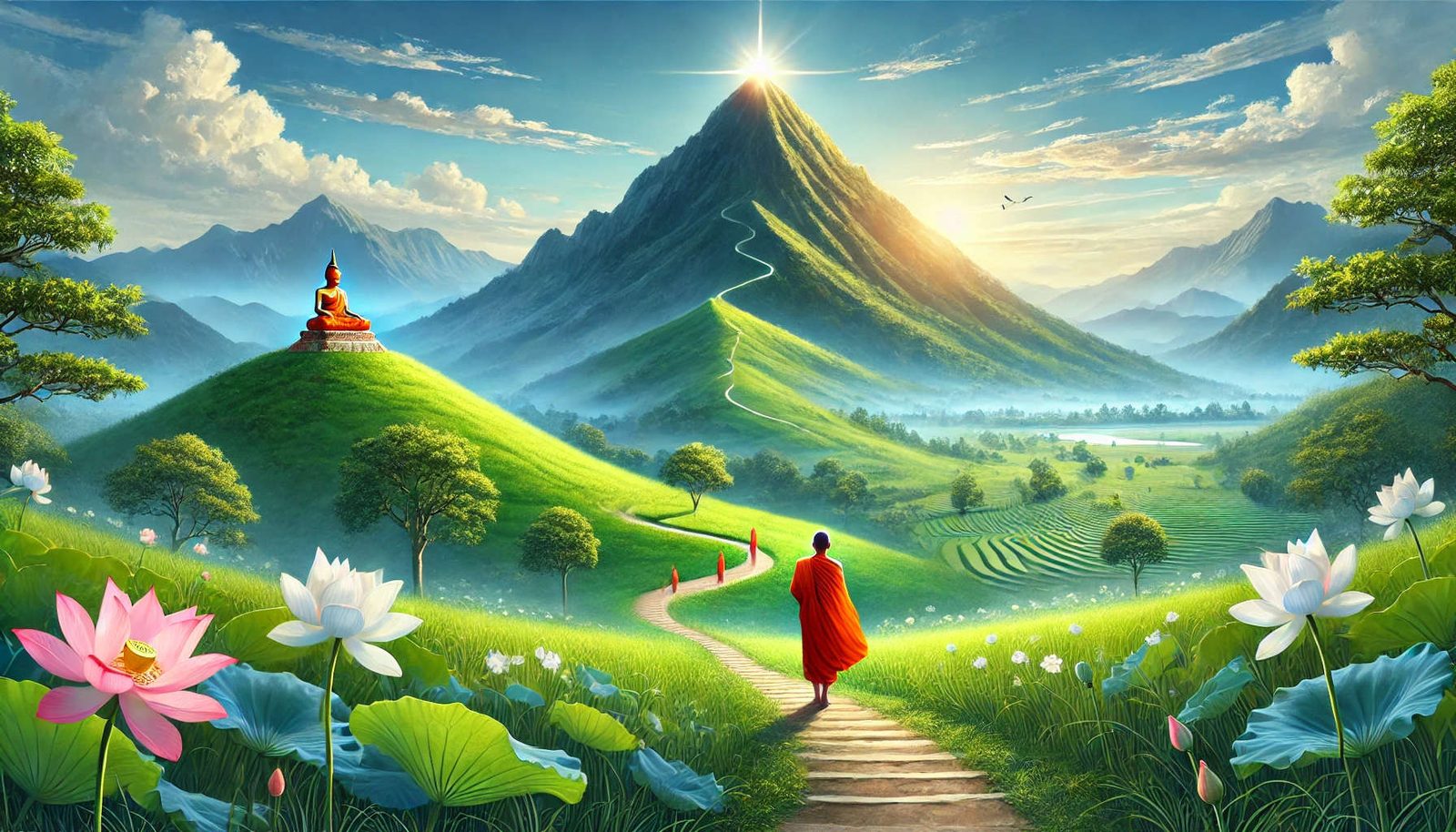
佛法的流传,是一部绵延两千五百余年的文明史诗,它并非依靠强制传播或宗教扩张,而是透过一代又一代修行者的身教言教,以智慧与慈悲传递于人心之中。佛陀在世时,其教法主要通过口传的方式,由弟子亲闻、亲证,再教授他人,这种“师徒相承”的传统是佛法最初的根本传承方式。
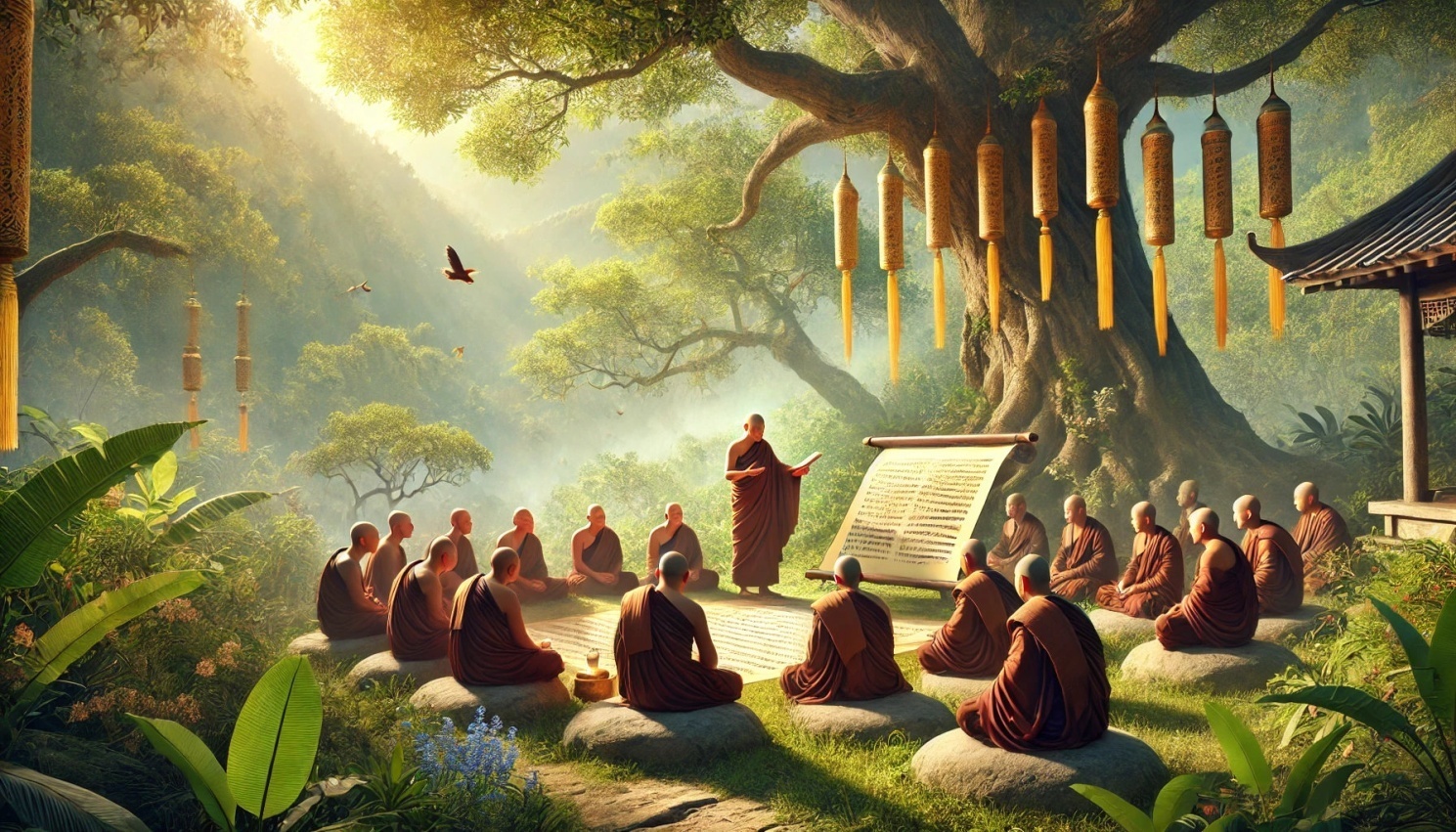
佛陀圆寂之后,佛弟子们深感教法必须系统整理与保存,才能防止散失与误解。于是,在佛灭后不久,由大迦叶尊者主持,召开了第一次结集大会,五百位阿罗汉齐聚一堂,以背诵和集体校正的方式,将佛陀所说的教法整理成“经藏”;再将佛陀制定的戒律整理成“律藏”。这些口述的结集,是佛教典籍形成的最初形式,也成为佛法传承的基础。
随着佛法逐渐传播至不同地区,不同弟子和学派根据自己的理解与修行经验,对佛陀的教导做出阐释,进而形成了多种不同传统,如上座部佛教、大乘佛教、金刚乘佛教等。虽然形式与教义有所差异,但共同的核心仍是解脱苦的实践与智慧的开启。
文字记录的出现,是佛法流传的又一重大转折点。在佛灭数百年后,斯里兰卡的上座部比丘们为了避免战乱天灾导致口传失误,首次将三藏经文以巴利文书写成文,这是佛教历史上第一次以文字形式系统保存教法。此后,大乘经典也在印度北部及中亚地区陆续被整理与书写,如《般若经》《法华经》《华严经》等,逐渐形成庞大的经典体系。
佛法的流传不仅靠书籍,也依赖僧团制度的建立。僧团是佛法的承载者与传播者,透过出家人严持戒律、弘法利生,使佛法在各地生根发芽。在中国、东南亚、西藏、朝鲜、日本等地,皆有依各地文化形成的僧团体系,不仅保存佛典,也培养弘法者,开设寺院、讲经坛、戒律传承,维系佛法不断流转。
翻译运动也是佛法传播的关键。例如佛教传入中国后,经历了几百年的翻译与本土化过程。鸠摩罗什、玄奘、义净等大译师,历尽艰辛,将大量梵文经典译为中文,使汉传佛教得以建立。不同文化背景下的译者,也用不同语言表达佛法的核心精神,使佛法跨越语言、宗教与文化的界限,成为世界性的精神遗产。
此外,佛教艺术也在佛法传播中扮演重要角色。从印度的石窟壁画到敦煌的千佛洞,从西藏的唐卡到日本的佛像,艺术不仅记录了佛法的形象与教义,也激发信仰与思惟,引导人们生起信心与觉知。艺术的流动,使佛法不仅停留于文字与思想,也融入生活、建筑、节日与文化之中。
在现代,佛法的传播更借助出版、广播、网络、影视与多语言翻译,使全球各地的人们都能接触佛陀的教法。不论是在冥想中心、大学讲堂,或是在手机应用程序中,佛法以新的形式继续流传。这一切并非靠组织力量推动,而是因为佛法契合人类内在的觉醒渴望,穿越时空而不灭。
总而言之,佛法能流传至今,靠的不是形式、权力或奇迹,而是它对生命本质的真实揭示,和修行实践中所带来的内在转化。它是法的力量,也是人的传承——因有信仰者、修行者、译者、弘法者不惜生命地守护与传递,佛法才得以在每一个时代中焕发光芒,引导众生趋向觉醒、和平与自在。
Date: 06/08/2024 06/09/2024
Location: Star River Meditation Center
Teacher: Yunquan Huang
Dharma Knowledge
How the Dharma Was Transmitted
The transmission of the Dharma over more than 2,500 years is not a story of conquest or forced conversion, but a profound unfolding of wisdom passed heart-to-heart across generations. In the Buddha’s lifetime, the teachings were preserved and shared orally. His disciples listened, practiced, realized, and then taught others—forming a living chain of experience and realization. This oral tradition, rooted in direct teacher-student transmission, was the foundation of early Dharma preservation.
After the Buddha’s passing, the community of enlightened disciples recognized the urgent need to systematize and safeguard the teachings. Under the leadership of Mahākāśyapa, the First Council was convened, where five hundred arahants gathered to recite and verify the Buddha’s discourses and disciplinary rules. These oral recitations became known as the Sutta (discourses) and Vinaya (discipline) collections—the beginnings of the Buddhist canon and the structural backbone of the tradition.
As the Dharma spread geographically, different schools and interpretations emerged, shaped by the unique experiences and insights of various communities. The Theravāda tradition flourished in the south, while Mahāyāna and Vajrayāna traditions took root in the north. Despite doctrinal differences, these traditions share a common goal: liberation from suffering through ethical living, meditation, and insight.
A significant turning point came when the teachings were first written down. Several centuries after the Buddha’s death, monks in Sri Lanka, fearing the loss of memory due to war and famine, recorded the Pāli Canon on palm leaves. This was the first written preservation of the Tripiṭaka. Later, Mahāyāna texts such as the Prajñāpāramitā Sūtras, the Lotus Sūtra, and the Avataṃsaka Sūtra were also compiled and recorded in Sanskrit and other languages, forming a vast and diverse scripture heritage.
The monastic community (Saṅgha) played a central role in transmitting the Dharma. Through ethical discipline, teachings, and example, monks and nuns preserved the purity of the teachings and served as living conduits of the Dharma. Across cultures—from Chinese Chan monasteries to Tibetan gompas and Japanese Zen temples—the Sangha established lineages of study, practice, and transmission that ensured the Dharma’s survival and flourishing.
Translation efforts were pivotal in spreading the Dharma beyond India. In China, master translators such as Kumārajīva, Xuanzang, and Yijing brought thousands of Sanskrit texts into Chinese, often at great personal cost. Their translations laid the foundation for East Asian Buddhism. Elsewhere, similar efforts translated the Dharma into Tibetan, Mongolian, Japanese, Korean, and eventually Western languages—each adapting expression while preserving essence.
Art also became a powerful vehicle of Dharma transmission. From Indian cave murals and Gandhāran sculptures to Tibetan thangkas and Japanese mandalas, Buddhist art preserved symbols, stories, and sacred imagery. These visual representations inspired devotion, conveyed teachings, and provided cultural continuity—allowing even the illiterate to connect with the Dharma.
In modern times, the Dharma continues to spread through books, recordings, films, academic study, and digital technology. From meditation apps to YouTube Dharma talks, from global monastic tours to interfaith dialogues, the teachings of the Buddha reach seekers across continents and cultures. This global transmission is not driven by institutional power, but by the timeless relevance of the Dharma to the human heart.
Ultimately, the Dharma survives and thrives not because of structures, but because of truth. It resonates with the deep yearning in every being for freedom, peace, and understanding. It endures because there have always been those who practiced, preserved, translated, taught, and lived it—not for fame or gain, but out of compassion. Thus, the Dharma is not only a set of teachings—it is a living, breathing wisdom kept alive by the sincere efforts of awakened hearts across generations.