Date: 05/11/2024 05/12/2024
Location: Star River Meditation Center
Teacher: Yunquan Huang
Sitting Meditation
Aligning the Body: Relaxed but Not Slack
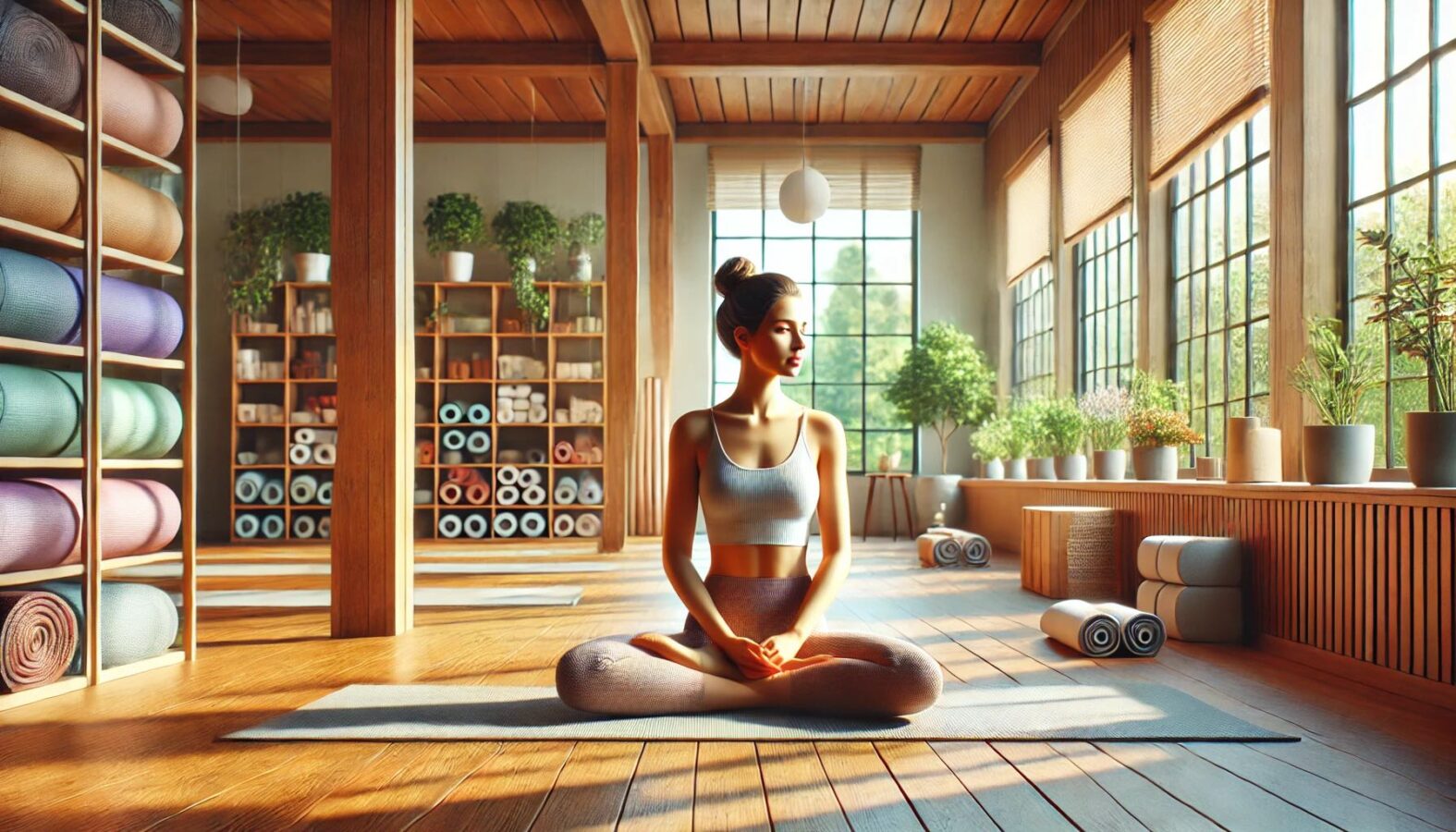
The essence of aligning the body in meditation is achieving a state that is relaxed but not slack—a balanced posture that is free from tension yet firmly grounded.
1.What Does “Relaxed but Not Slack” Mean?
Many people misunderstand relaxation as collapsing the body, or uprightness as forcing the posture.
The correct state lies in the middle:
not tense, not collapsed—light, steady, and naturally aligned.
1.Relaxed means free from tightness or rigidity.
The body is soft, open, and fluid.
2.Not slack means maintaining structure and stability.
The body keeps its uprightness without effort.
3.This balance—soft yet stable—is the heart of physical alignment.
2.Why Must Practice Begin with the Body?
1.If the body is unsettled, the mind cannot settle.
Tension disturbs the breath; disturbed breath agitates the mind.
2.A stable body is the foundation of all meditation.
Instability distracts attention and prevents deeper practice.
3.Relaxing the body allows energy to flow naturally.
When the body opens, the mind follows into ease.
3.How to Achieve “Relaxed but Not Slack”
1.Start with the spine: Upright but not stiff
Imagine a thread gently lifting the crown of your head.
Let the spine rise naturally instead of forcing it upward.
Keep the back relaxed, chest open.
2.Release the shoulders and neck: Soft but not collapsed
Shoulders drop naturally downward and slightly backward.
Avoid hunching or sinking.
Allow the neck to lengthen effortlessly.
3.Stabilize the lower body: Grounded but not rigid
Sit bones evenly rooted.
Lower body like a tree trunk—steady and comfortable.
No unnecessary muscular effort.
4.Soften the face and arms: Gentle and natural
Slightly tuck the chin, relaxing facial muscles.
Hands rest naturally without tension.
5.Use the breath to relax the body
With every inhale, feel subtle lifting;
with every exhale, soften the entire body.
4.Common Mistakes in Practice
1.Forcing the posture upright, causing neck and shoulder tension
True uprightness comes from gentle lifting, not stiff holding.
2.Relaxing too much and collapsing the posture
Slackness leads to lethargy and scattered awareness.
3.Confusing relaxation with laziness
Real relaxation is alive and energetic, not dull.
5.Benefits of “Relaxed but Not Slack”
1.Smoother, deeper breathing
2.Better mental stability
3.Reduced emotional agitation
4.Lower physical stress
5.Sharper awareness and focus
6.Easier access to deeper meditation states
When the body softens, the mind softens;
when the body stabilizes, the mind stabilizes.
Conclusion
The Body Is the Gate to Awakening.
Aligning the body is not just physical preparation—it is an essential part of the path.
When the body enters the state of “relaxed but not slack,”the door to stillness and wisdom naturally opens.

