时间:01/31/2026 02/01/2026
地点:星河禅修中心
主讲:黄云全
打坐参禅
进阶打坐:从“静”到“寂静”
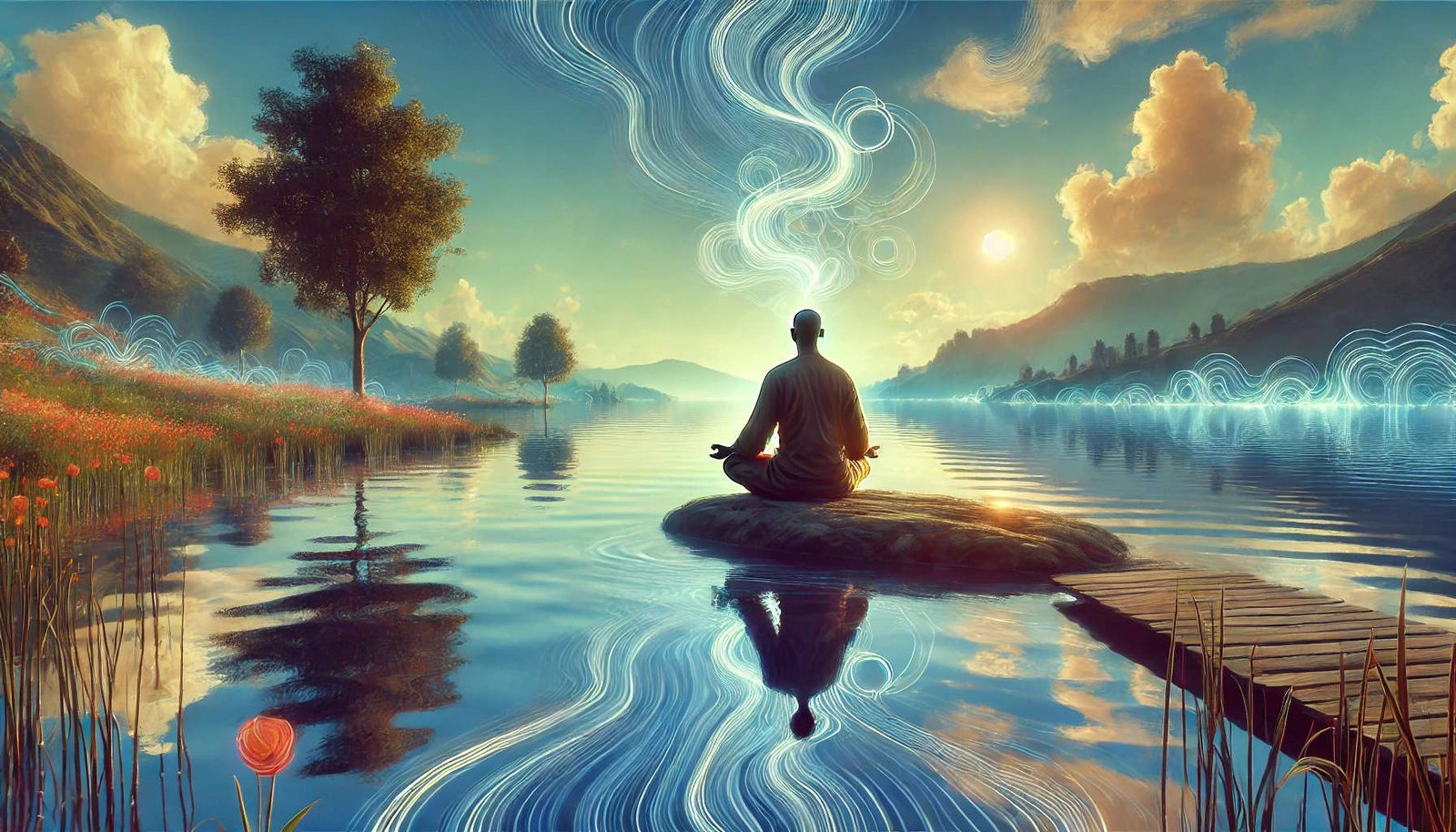
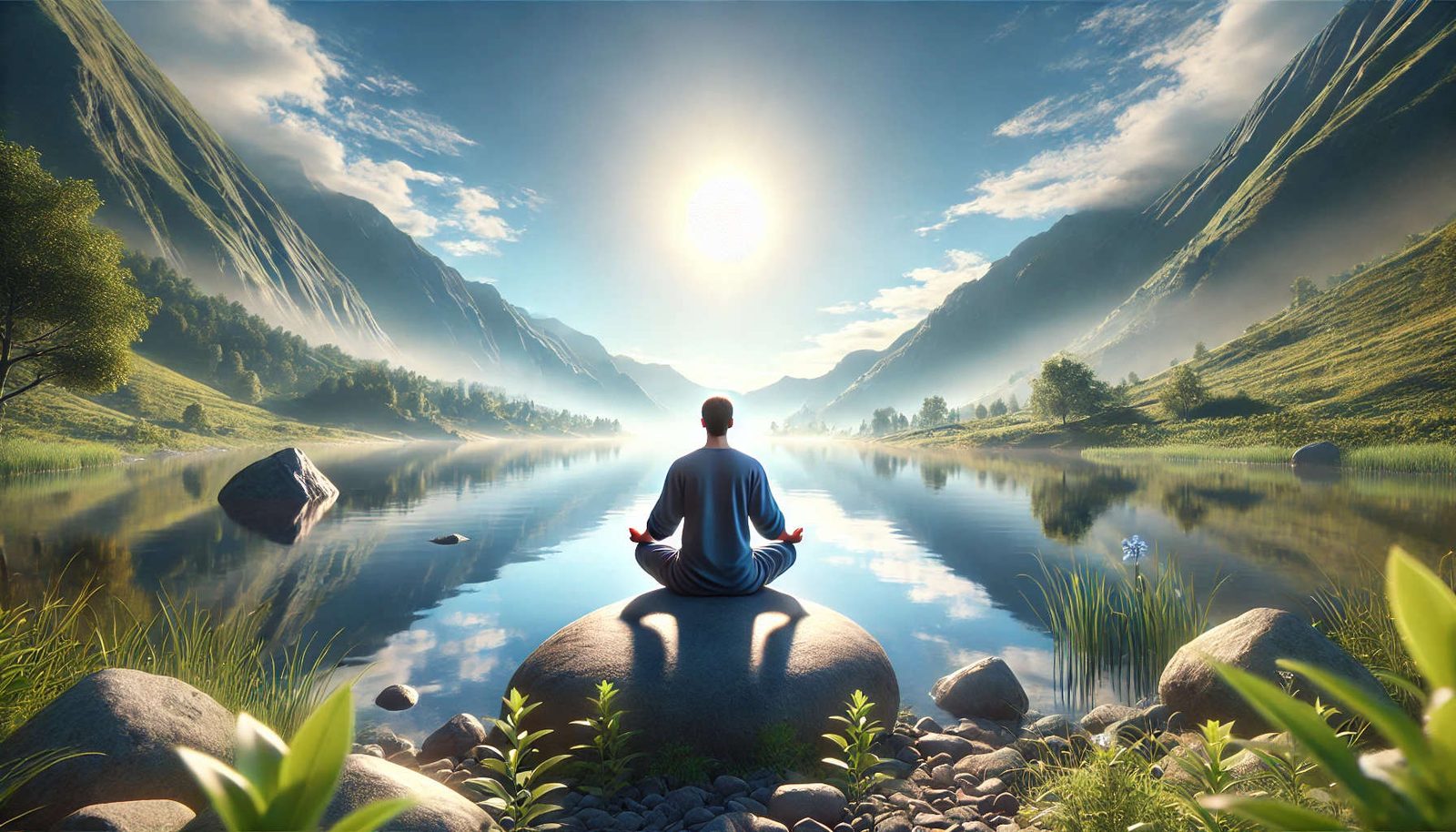
初学打坐,多数人追求“静”——身体放松、呼吸平稳、念头减少。而进阶打坐所指向的,并非更用力地压制念头,而是进入“寂静”:一种不依赖安静环境、不依赖刻意控制的深度安住。从“静”到“寂静”,不是技巧的升级,而是关系的转变——从控制心,走向理解心、放下心。
一、“静”是什么?
1.表层的安静
身体放松、呼吸变慢、外界干扰减少。
2.念头暂时减少
杂念不再频繁,但仍可能被触发。
3.依赖条件的状态
环境安静、时间充裕时更容易出现。
二、“静”的局限在哪里?
1.容易被打破
一旦环境变化,静就消失。
2.容易变成压制
为了“保持安静”,不自觉地对抗念头。
3.容易执着体验
把静当成目标,反而增加紧张。
三、“寂静”是什么?
1.不依赖外在条件的安住
即使有声音、念头或感受,心仍然安然不动。
2.念头来去,但不再扰动
念头出现,却像风过虚空。
3.觉知稳定而开放
不是昏沉,也不是紧绷,而是清醒、宽广、自然。
四、从“静”走向“寂静”的关键转变
1.从控制呼吸到信任呼吸
不再调整呼吸,而是允许呼吸自然运行。
2.从排斥念头到照见念头
不赶走、不追随,只是清楚地看见。
3.从追求体验到安住觉知
不问“有没有静”,只在“有没有清楚”。
4.从用力坐到放松坐
身体与心同时松开,寂静自然浮现。
五、寂静中的身心特征
1.心不随境转
声音、感觉、念头,不再拉走注意力。
2.身体感变得通透
紧绷感减少,整体感增强。
3.时间感变弱
不急、不赶,当下变得完整。
六、常见误区与提醒
1.不要把“寂静”当成目标
一旦追求,寂静立刻远离。
2.不要害怕念头
念头不是障碍,执着才是。
3.不要以体验判断进步
真正的进阶,是更少对抗、更多自在。
总结
“静”是开始,“寂静”是成熟。当你不再控制心、评判心、抓取状态,寂静便在一切之中自然显现。
Date: 01/31/2026 02/01/2026
Location: Star River Meditation Center
Teacher: Yunquan Huang
Sitting Meditation
Advanced Meditation: From “Calm” to “Stillness”
In the early stages of meditation, practitioners often seek calm—a relaxed body, steady breath, and fewer thoughts.Advanced meditation, however, points toward stillness:a deep resting that does not depend on quiet environment or control.Moving from calm to stillness is not a technical upgrade,but a shift in relationship—from managing the mind to understanding and releasing it.
1.What Is “Calm”?
1.Surface-level quiet
The body relaxes, the breath slows, and distractions lessen.
2.Fewer thoughts
Mental activity decreases, but can still be triggered.
3.Condition-dependent
Calm is easier when circumstances are supportive.
2.The Limitations of Calm
1.Easily disturbed
External change can quickly break it.
2.Can become suppression
Trying to maintain calm may turn into resistance.
3.Can become attachment
Calm becomes a goal, creating tension.
3.What Is “Stillness”?
1.Stability independent of conditions
Sounds, thoughts, and sensations arise,yet the mind remains unmoved.
2.Thoughts come and go without disturbance
Like wind passing through open space.
3.Clear and open awareness
Neither dull nor tense—awake, spacious, and natural.
4.Key Shifts From Calm to Stillness
1.From controlling the breath to trusting it
Breathing is allowed to unfold naturally.
2.From rejecting thoughts to seeing them clearly
No chasing, no pushing away.
3.From seeking experiences to resting in awareness
Not asking “Is it calm?”
but “Is there clarity?”
4.From effortful sitting to relaxed sitting
When body and mind soften together,stillness emerges.
5.Signs of Stillness
1.The mind is not pulled by conditions
Sounds and sensations no longer distract.
2.Greater bodily openness
Less tension, more coherence.
3.A softened sense of time
No rushing—the present feels complete.
6.Common Pitfalls and Reminders
1.Do not make stillness a goal
Seeking pushes it away.
2.Do not fear thoughts
Thoughts are not obstacles—attachment is.
3.Do not measure progress by experience
True advancement means less resistance and greater ease.
Conclusion
Calm is the beginning;stillness is maturity.When control and grasping fall away,stillness naturally reveals itself within all experience.