Date: 01/11/2025 01/12/2025
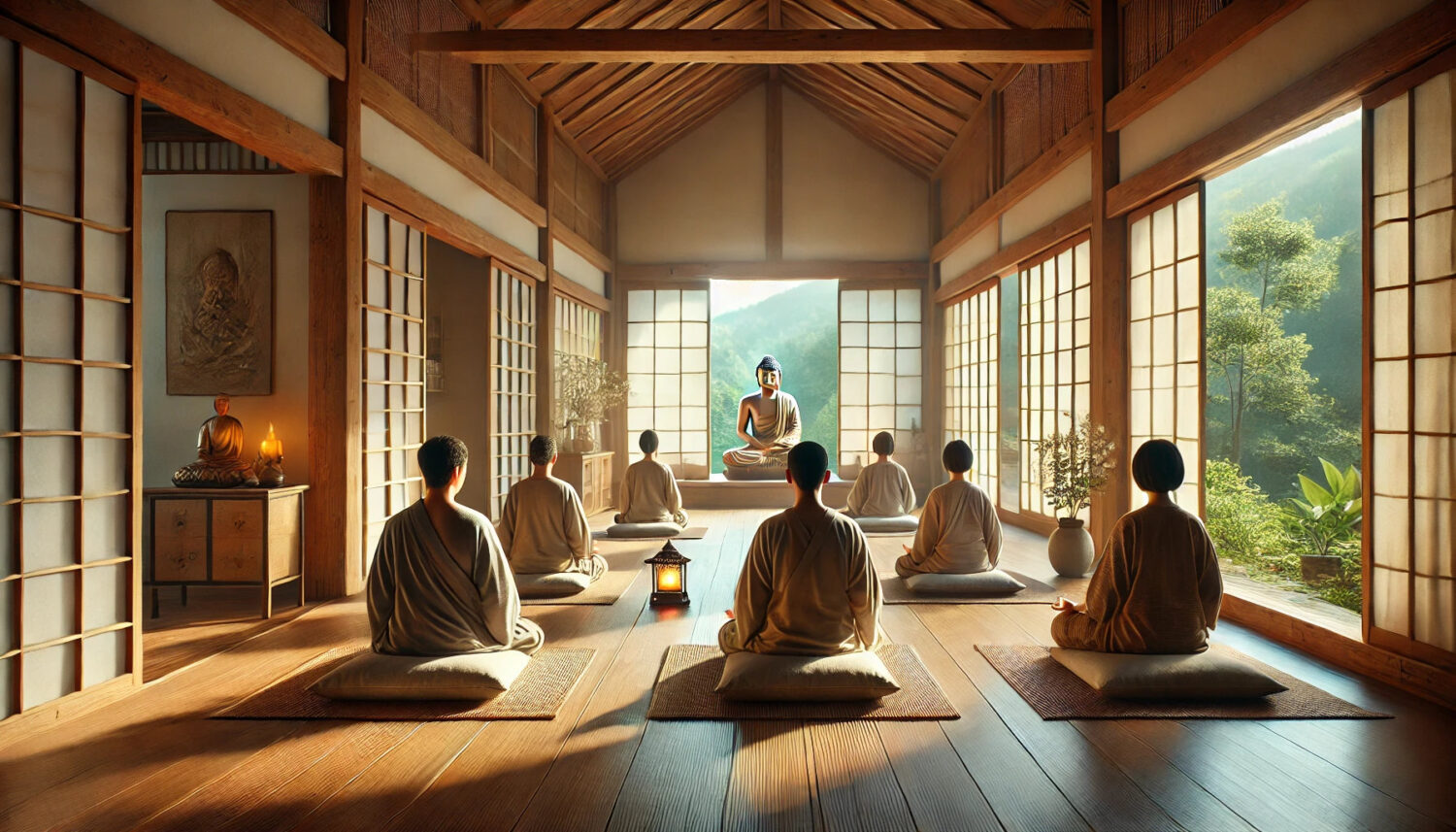
Location: Star River Meditation Center
Teacher: Yunquan Huang
Dharma Knowledge
Guiding Principles for Lay Buddhist Practice
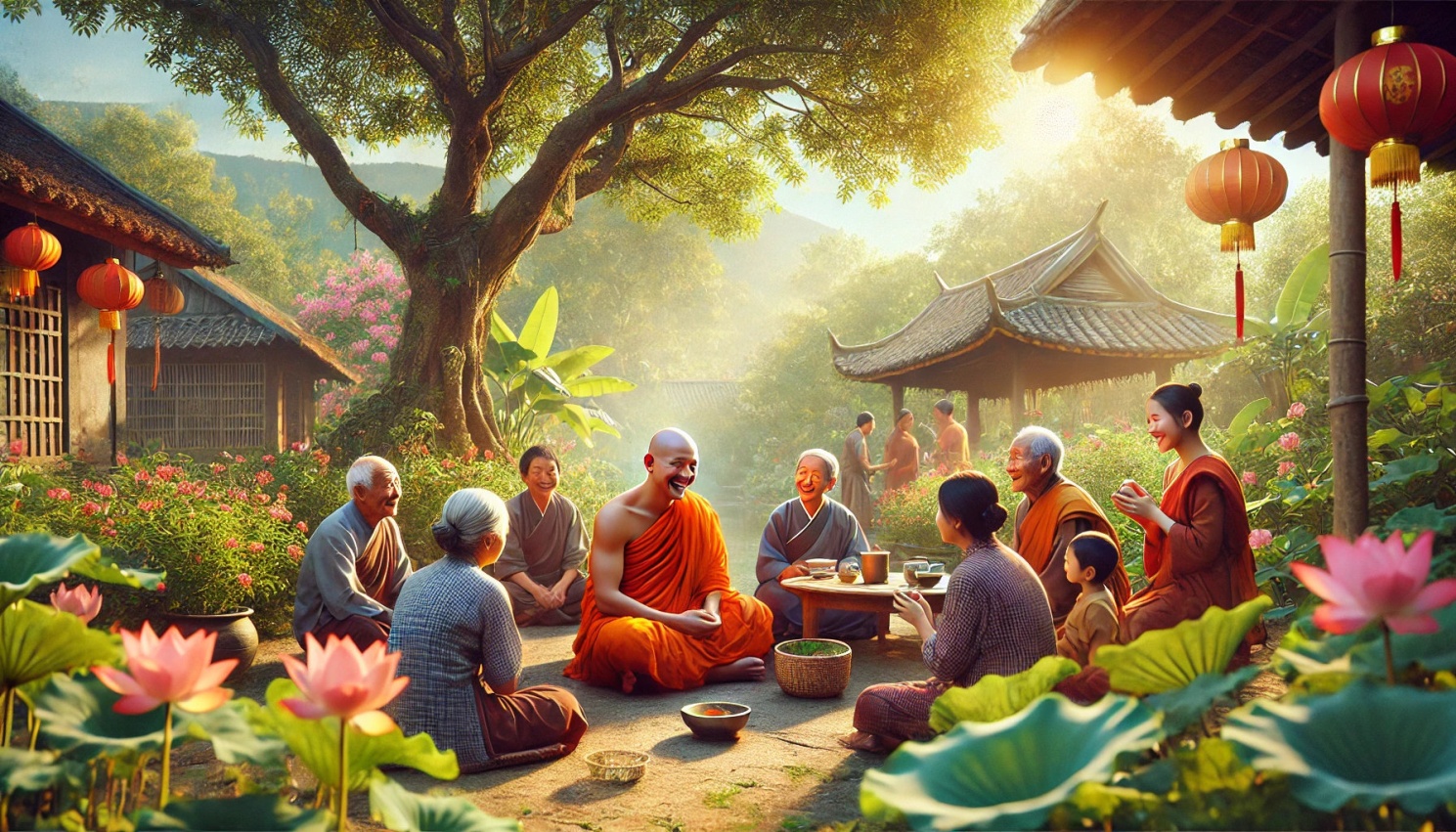
Practicing Buddhism as a layperson means bringing the Dharma into everyday life—without leaving family, society, or responsibilities. It is not about escaping the world, but about transforming one’s relationship to it. Lay practice is not a lesser form of Buddhism. It is a path of integration, where spiritual cultivation is harmonized with daily living. With sincerity and commitment, lay followers can walk the path toward awakening just as fully as monks or nuns. The following are key principles that guide this journey.
The first principle is“faith as foundation.” To begin practicing the Dharma, one must establish confidence in the Three Jewels: the Buddha, the Dharma, and the Sangha. Faith in the Buddha is not blind worship, but trust in his awakened mind and compassionate example. Faith in the Dharma is confidence in the truths of impermanence, dependent origination, karma, and the path to liberation. Faith in the Sangha is respect for those who sincerely follow the path and can guide us. Faith keeps us oriented when life becomes confusing.
The second principle is“ethics as the root.” While laypeople do not follow monastic vows, the Five Precepts are the moral cornerstone: abstaining from killing, stealing, sexual misconduct, false speech, and intoxicants. These create a safe, harmonious life and serve as the groundwork for meditation and wisdom. Upholding these precepts is not about restriction—it is about living with dignity, awareness, and compassion.
The third principle is“practice through daily conduct.” Buddhism is not just philosophy or ritual—it must be lived. Generosity, patience, mindfulness, and insight are practiced not only in temples but in homes, workplaces, and streets. Forgiving your spouse, speaking truthfully at work, helping a neighbor—these are all acts of Dharma. If the teachings don’t manifest in our actions, they remain theoretical.
The fourth principle is“mindfulness as the core.” The biggest challenge for laypeople is the busyness of modern life. Cultivating mindfulness helps us stay centered. Mindfulness means being aware of what we are doing, feeling, and thinking in each moment. Walking, cooking, driving, talking—all become opportunities to train attention and develop insight. With mindfulness, even chaotic life becomes a path of peace.
The fifth principle is“karma as guidance.” Understanding cause and effect keeps our practice grounded. When we recognize that every thought and deed has consequences, we become more intentional and responsible. Instead of blaming others or complaining about fate, we focus on planting seeds of kindness, truth, and clarity. A deep trust in karma leads to wise living and inner strength.
The sixth principle is“the home as the practice ground.” Lay practice doesn’t require isolation. Your family, career, and community are your training grounds. Parenting becomes a practice of patience and love; earning money becomes a practice of ethical livelihood; household tasks become mindfulness exercises. Wherever you are, you can practice.
The seventh principle is“learning from good teachers and staying connected to the Dharma.” Laypeople must nourish their understanding regularly. This means listening to Dharma talks, reading sutras, and joining communities of practice. Even if life is busy, consistent exposure to the teachings protects the mind and keeps the path alive. Like water for a plant, the Dharma sustains our growth.
The eighth principle is“bodhicitta as the compass.” True Buddhists don’t practice for themselves alone. Even as laypeople, we can cultivate the wish to help all beings. This means doing good in the world—donating, volunteering, spreading the Dharma, raising kind children, or simply being a good friend. Small acts done with a big heart are the essence of the Bodhisattva path.
In summary, being a lay practitioner is not a compromise—it is a living expression of the Dharma. It is not about doing less; it is about doing with intention. Lay life, with all its complexities, offers countless opportunities for insight, compassion, and transformation. With right understanding and sincere effort, the household becomes a temple, daily life becomes a path, and the heart becomes boundless.