时间:06/13/2026 06/14/2026
地点:星河禅修中心
主讲:黄云全
佛法修行
四种法乐
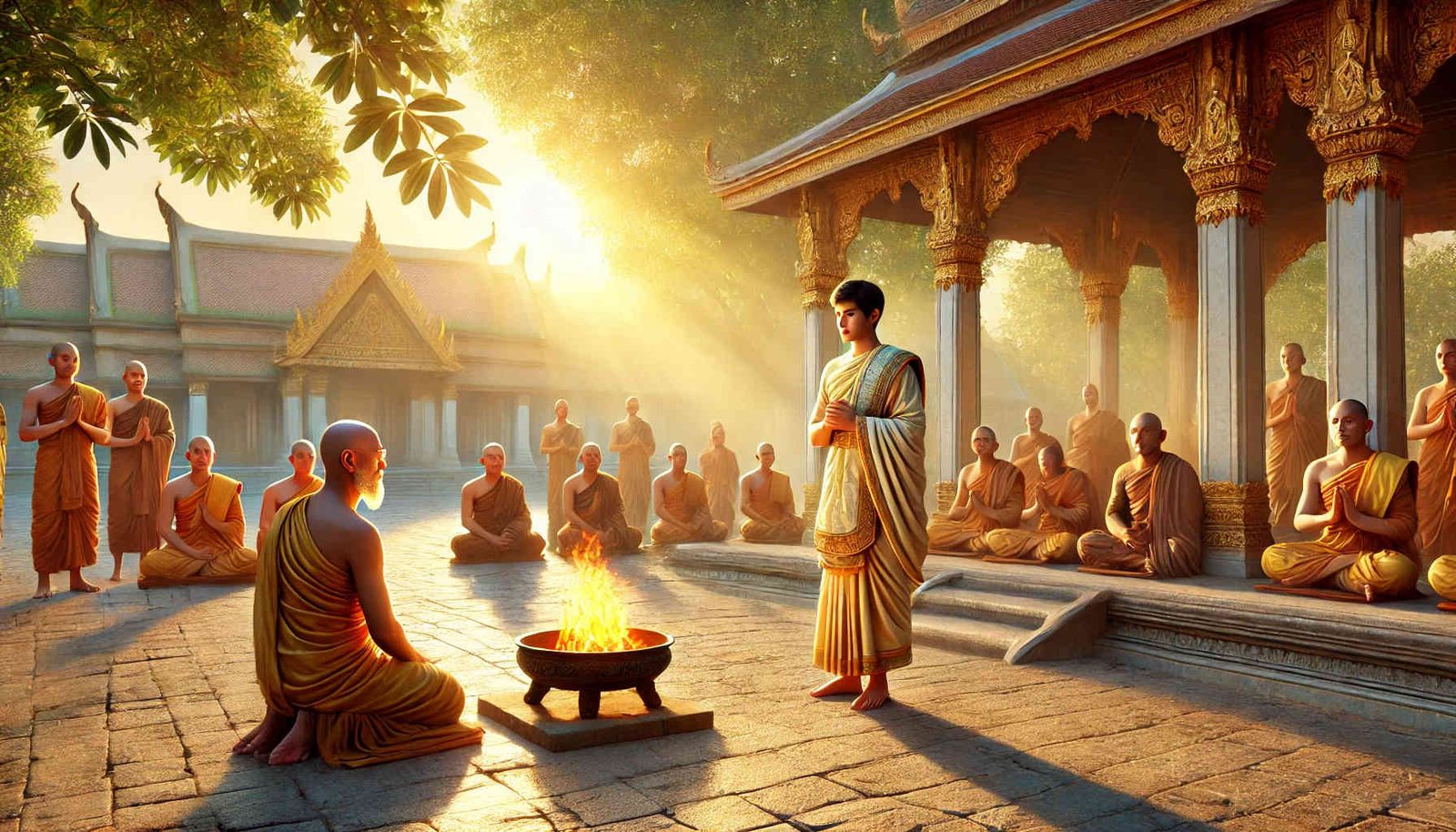
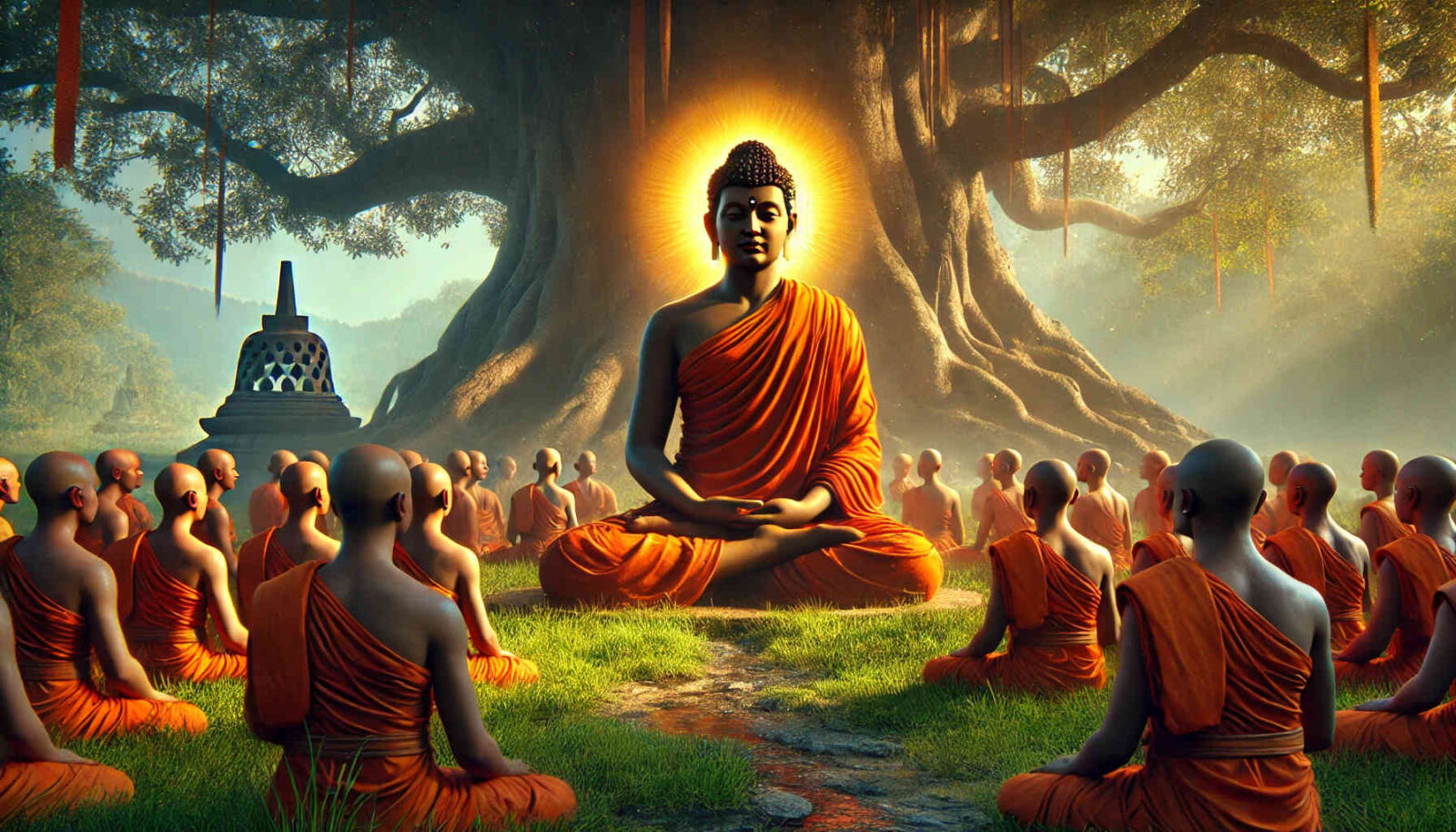
有一天,佛陀带领弟子们行化至拘萨罗国的伽蓝村落。由于居民们早已听说佛陀伟大的事迹,因此,大家一早就赶来聆听佛陀演说妙法。
一个伽蓝村人站起来发问:「佛陀!在您到达本村落之前,有好几个游方婆罗门以及他教的宗教师,都来村中告诉我们:只有他们信仰的法门才是真理,其它都是邪说。佛陀!请问我们如何分辨什么是真理,什么是邪说?」
「伽蓝村民啊!真理的条件必须合乎普遍性、必然性、永恒性。例如有生必有死的道理就是真理。你们要听信合理的法,舍去不合理的邪见。」
「慈悲的佛陀!请您再进一步为我们解说。」
「伽蓝村民们!具足四种法就能分辨邪正,得到智慧与安乐。
第一、心中要有前世来生的正见,并且要受持清净戒行。
第二、心中要有法乐长养宗教情操,自然不为他人所毁。
第三、心中要有善恶业报的观念,自然不会与人争执,更不会与人结怨。
第四、心中要有慈悲喜舍,时时为人设想的心量,自然远离恐怖不安。由以上四法可得智慧及安稳之乐。」
伽蓝村的村民听后,莫不欢喜踊跃,感激佛陀为他们带来了幸福光明的种子,于是顶礼佛陀,右绕三匝而去。
Date: 06/13/2026 06/14/2026
Location: Star River Meditation Center
Teacher: Yunquan Huang
Dharma Talk
The Fourfold Joy of the Dharma
One day, the Buddha, together with his disciples, traveled in the land of Kosala and arrived at a village called Kālāma. The villagers had long heard of the Buddha’s great virtues, and thus, early in the morning, they gathered to listen as he expounded the wondrous Dharma.
A villager of Kālāma stood up and asked:
“World-Honored One! Before your arrival in our village, many wandering brāhmaṇas and teachers of other sects came here, each declaring that only their own doctrine is the truth, and that all others are false. World-Honored One, how are we to discern what is true and what is false?”
The Buddha replied:
“O people of Kālāma, the nature of truth must accord with universality, necessity, and permanence. For example, the principle that where there is birth there must be death—this is truth. You should accept what is reasonable and in accord with Dharma, and abandon what is unreasonable and based on false views.”
The villagers then said:
“Compassionate Buddha, please explain this further for us.”
The Buddha said:
“O people of Kālāma, by cultivating four kinds of Dharma, one may discern right from wrong, and thereby obtain wisdom and peace.
First, one should uphold right view concerning past and future lives, and maintain pure moral discipline.
Second, one should nurture joy in the Dharma within the heart; in this way, one will not be shaken by the criticisms of others.
Third, one should understand the law of karma, knowing the consequences of wholesome and unwholesome actions; thus, one will not contend with others nor form enmity.
Fourth, one should cultivate loving-kindness, compassion, sympathetic joy, and equanimity, always considering others with a broad and generous heart; thus, one will naturally be free from fear and anxiety.
By means of these four Dharmas, one attains both wisdom and the peace of the Dharma-joy.”
Hearing these teachings, the villagers of Kālāma rejoiced greatly. They were filled with gratitude to the Buddha for bringing them the seeds of happiness and light. They bowed in reverence, circumambulated him three times to the right, and then departed.