时间:09/26/2026 09/27/2026
地点:星河禅修中心
主讲:黄云全
斋食养生
石榴
石榴:富含多酚与维生素C的红宝石水果
一、石榴是什么?
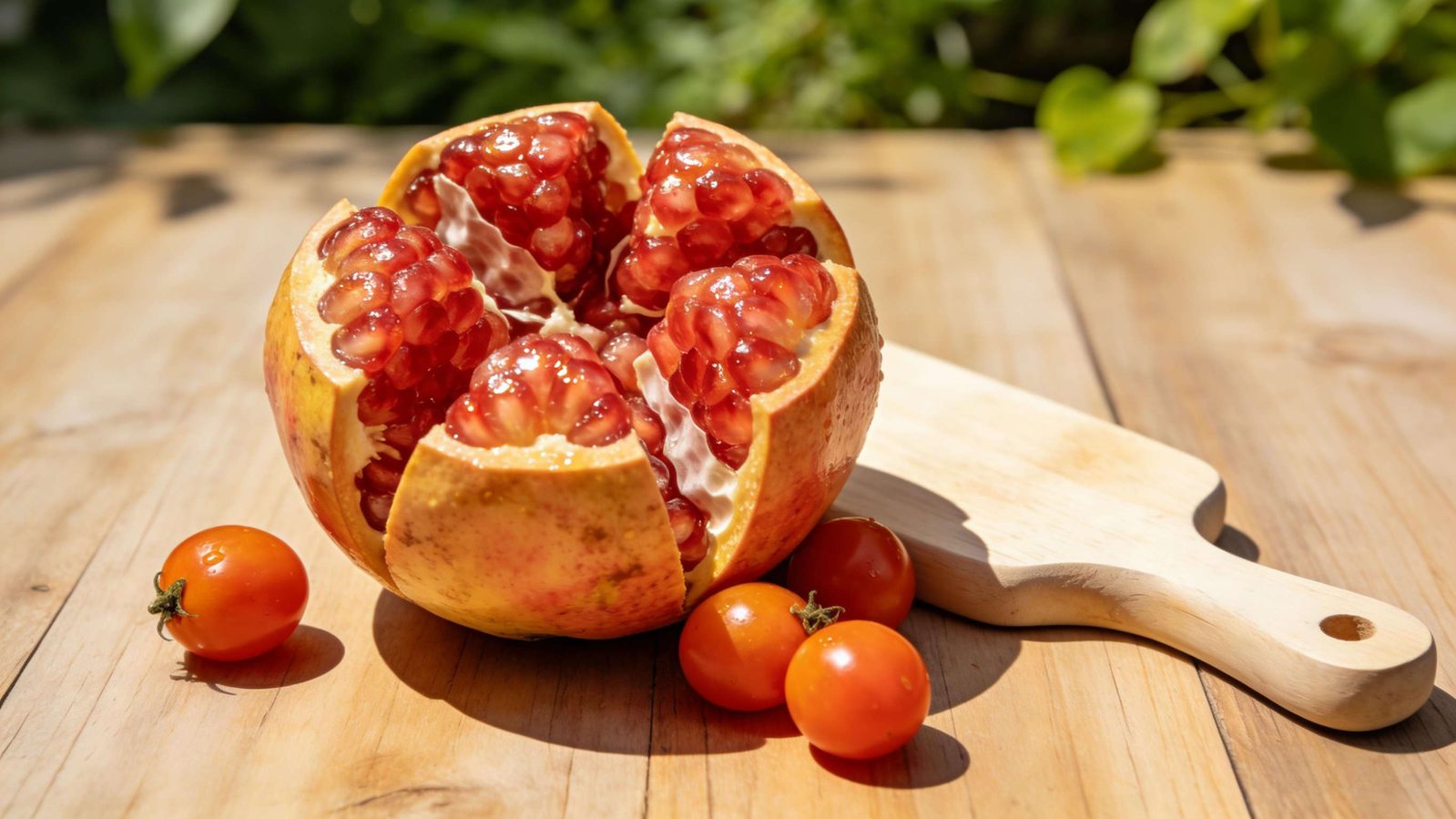
石榴(学名 Punica granatum)是石榴科植物的果实,原产于中亚地区,是秋季常见的营养水果。石榴果皮厚实,内部充满晶莹剔透的红色或粉色籽粒,酸甜多汁。石榴不仅口感独特,而且富含多种营养成分,被誉为“水果中的红宝石”。
二、石榴的营养价值
石榴富含维生素、矿物质和多酚类植物化合物,营养成分十分丰富。主要营养成分包括:
1.维生素C:增强免疫力,促进胶原蛋白合成。
2.膳食纤维:促进肠道蠕动,帮助消化。
3.钾:维持体液平衡,帮助调节血压。
4.多酚类抗氧化物:帮助清除自由基,保护细胞健康。
5.维生素B族:支持能量代谢和神经系统功能。
三、石榴的健康益处
1.增强免疫力:维生素C和多酚协同作用,提升身体抵抗力。
2.抗氧化抗衰老:多酚类物质有效对抗自由基,延缓细胞老化。
3.促进消化:丰富膳食纤维有助于改善肠道环境,预防便秘。
4.保护心血管:钾和抗氧化物质共同作用,帮助维护血管弹性和血压平稳。
5.美容养颜:维生素C促进胶原蛋白合成,帮助保持皮肤弹性和光泽。
四、石榴的食用方式
1.鲜食石榴:直接剥开取籽食用,酸甜多汁。
2.石榴汁:鲜榨成汁,保留原汁原味与营养。
3.石榴沙拉:搭配坚果、杂粮或其他水果,丰富口感。
4.石榴果酱:熬煮成果酱,搭配燕麦或全麦面包。
5.石榴入菜:石榴籽点缀凉拌菜或米饭,清新可口。
五、关于石榴的小知识
如何挑选优质石榴?
选择果皮色泽鲜艳、表面光滑、掂起来有重量感的石榴。
石榴适合每天吃吗?
适量食用对健康有益,每天100-150克为宜。
石榴适合哪些人?
一般人群均可食用,尤其适合免疫力低下、消化不良和注重美容养颜的人群。
总结
石榴是一种富含维生素C、膳食纤维、钾和多酚的高抗氧化水果。适量食用石榴有助于增强免疫力、抗氧化抗衰老、促进消化、保护心血管健康,并具有美容养颜的作用。无论是鲜食、榨汁、做果酱还是搭配沙拉,石榴都是营养与美味兼备的健康水果。
Date: 09/26/2026 09/27/2026
Location: Star River Meditation Center
Teacher: Yunquan Huang
Buddhist Diet and Regimen
Pomegranate
Pomegranate: A Ruby-Like Fruit Packed with Polyphenols and Vitamin C
1. What is Pomegranate?
Pomegranate (Punica granatum) is a fruit-bearing shrub native to Central Asia. This fruit is prized for its thick skin and jewel-like arils filled with sweet-tart juice. Pomegranate is not only delicious but also exceptionally nutritious, earning its title as the “ruby of fruits.”
2. Nutritional Value of Pomegranate
Pomegranates are rich in vitamins, minerals, and polyphenols, making them a nutritional powerhouse. Key nutrients include:
1.Vitamin C: Enhances immunity and supports collagen production.
2.Dietary Fiber: Promotes healthy digestion and regular bowel movements.
3.Potassium: Regulates fluid balance and supports healthy blood pressure.
4.Polyphenols: Powerful antioxidants that protect cells from oxidative stress.
5.B Vitamins: Support energy production and nervous system function.
3. Health Benefits of Pomegranate
1.Boosts Immunity: Vitamin C and polyphenols enhance the body’s natural defenses.
2.Provides Antioxidant Protection: Polyphenols fight free radicals, slowing cellular aging.
3.Aids Digestive Health: Dietary fiber supports gut health and prevents constipation.
4.Supports Heart Health: Potassium and antioxidants contribute to healthy blood vessels and balanced blood pressure.
5.Promotes Skin Health: Vitamin C boosts collagen production, enhancing skin elasticity and glow.
4. Best Ways to Eat Pomegranate
1.Fresh Pomegranate Seeds: Eaten raw for a refreshing, juicy snack.
2.Pomegranate Juice: Freshly squeezed for a vibrant, nutrient-dense drink.
3.Pomegranate Salad: Combined with nuts, grains, or other fruits for added flavor and texture.
4.Pomegranate Jam: Cooked into a spread for toast or oatmeal.
5.Pomegranate Garnish: Used to brighten up salads or rice dishes with a sweet-tart pop.
5. Interesting Facts About Pomegranate
How to Choose a Good Pomegranate?
Look for fruits with bright, even color, smooth skin, and a weighty feel.
Can You Eat Pomegranate Every Day?
Yes, moderate daily consumption (100-150 grams) offers many health benefits.
Who Should Eat Pomegranate?
Suitable for most people, especially those looking to improve immunity, digestion, and skin health.
Conclusion
Pomegranate is a nutrient-dense superfruit loaded with vitamin C, fiber, potassium, and powerful polyphenols. Regular consumption supports immunity, slows aging, aids digestion, promotes heart health, and enhances skin beauty. Whether eaten fresh, juiced, made into jam, or used as a garnish, pomegranate adds both nutrition and vibrant flavor to any diet.