时间:10/24/2026 10/25/2026
地点:星河禅修中心
主讲:陈双双
斋食养生
蕨菜
蕨菜:山野间的高纤维天然野菜
一、蕨菜是什么?
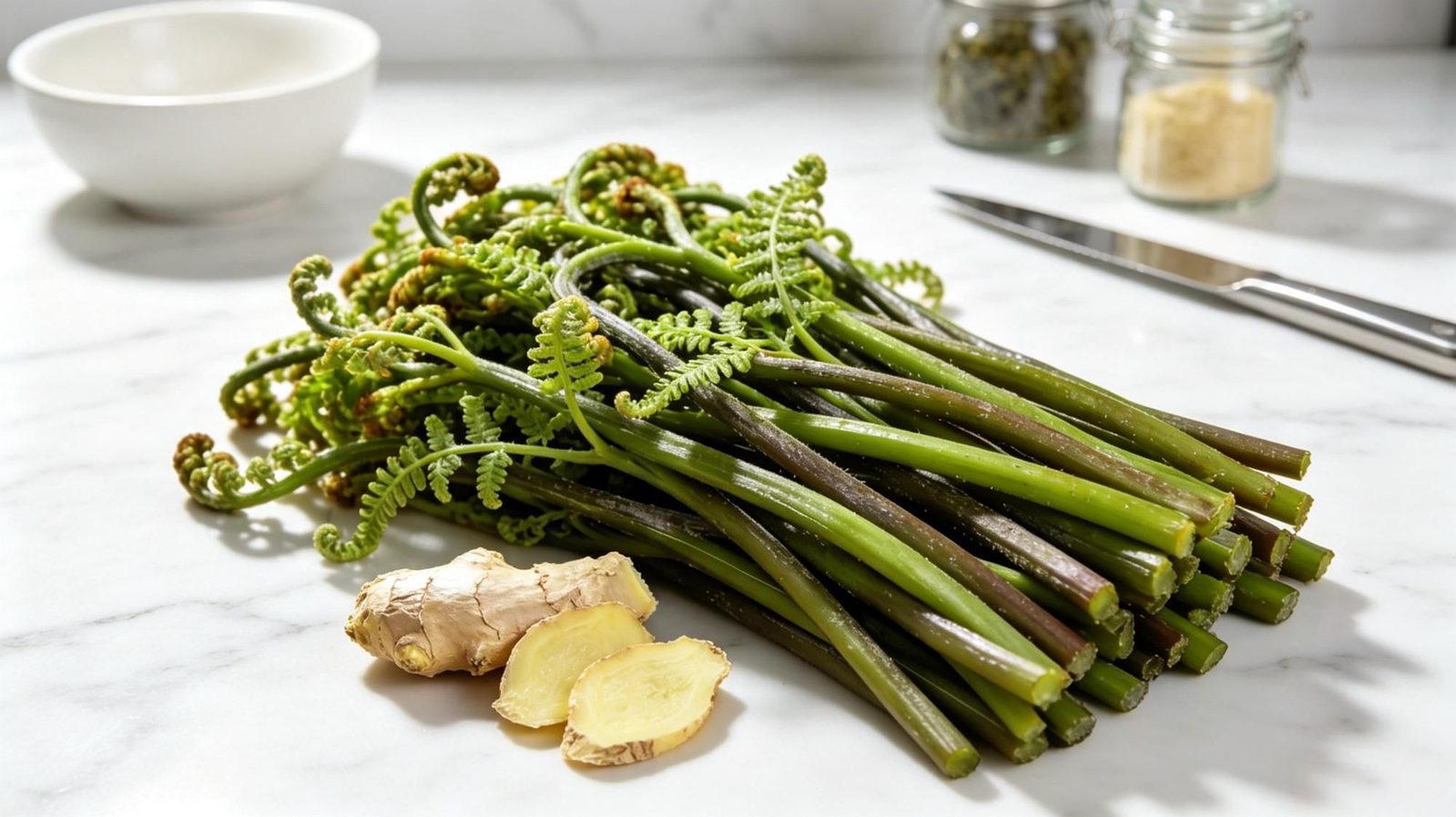
蕨菜(学名 Pteridium aquilinum)是一种常见的野生蕨类植物,生长在山坡、林间或溪边,春季嫩芽是常见的山野菜。蕨菜口感脆嫩,带有独特的清香,被誉为“山菜之王”,是传统餐桌上的时令美味,同时兼具食用与一定药食价值。
二、蕨菜的营养价值
蕨菜不仅风味独特,还富含多种维生素、矿物质和膳食纤维,是山野蔬菜中的营养佳品。主要营养成分包括:
1.膳食纤维:促进肠道蠕动,帮助消化排毒。
2.维生素A:有助于保护视力和维护皮肤健康。
3.维生素C:增强免疫力,并参与胶原蛋白合成。
4.钾:帮助维持体液平衡,调节血压。
5.钙和镁:支持骨骼和神经系统健康。
三、蕨菜的健康益处
1.促进消化:丰富的膳食纤维帮助改善肠道蠕动,预防便秘。
2.增强免疫力:维生素C有助于提升免疫功能,保护身体抵御外界侵害。
3.清热利湿:民间认为蕨菜具有清热解毒、祛湿通络的作用。
4.保护视力与皮肤:β-胡萝卜素有助于维持视力健康,增强皮肤弹性。
5.辅助调节血压:钾元素有助于平衡体内钠水平,维护血压稳定。
四、蕨菜的食用方式
1.凉拌蕨菜:焯水后凉拌,搭配坚果或芝麻酱,清爽可口。
2.蕨菜炒豆干:与豆干同炒,清香脆嫩。
3.蕨菜炖汤:与山药、菌菇等炖煮,营养丰富。
4.蕨菜拌杂粮饭:切碎拌入糙米饭或藜麦饭,增加膳食纤维。
5.蕨菜馅饼:与豆腐、红薯粉等调成馅料,清香软糯。
五、关于蕨菜的小知识
如何挑选优质蕨菜?
选择色泽鲜嫩、芽头卷曲紧密、无黄斑和霉点的蕨菜。
蕨菜为什么要焯水?
蕨菜含有部分草酸和生物碱,焯水可以去除大部分不良成分,降低苦涩味。
蕨菜适合天天吃吗?
适量食用有益健康,但不建议大量长期食用,以避免潜在风险。
总结
蕨菜是一种富含膳食纤维、维生素A、维生素C和钾的高营养山野蔬菜。适量食用蕨菜有助于促进消化、增强免疫力、清热利湿、保护视力并辅助调节血压。无论是凉拌、炒菜、炖汤还是做馅料,蕨菜都是兼具美味与营养的时令佳品。
Date: 10/24/2026 10/25/2026
Location: Star River Meditation Center
Teacher: Shuangshuang Chen
Buddhist Diet and Regimen
Fiddlehead Fern
Fiddlehead Fern: A Fiber-Rich Wild Mountain Vegetable
1. What is Fiddlehead Fern?
Fiddlehead fern (Pteridium aquilinum), a common wild fern, grows along hillsides, forest edges, and streams. Its tender young shoots are a popular seasonal delicacy in spring. Known for their crisp texture and earthy aroma, fiddleheads are valued not only for their unique flavor but also for their nutritional benefits.
2. Nutritional Value of Fiddlehead Fern
Fiddlehead ferns are rich in fiber, vitamins, and minerals, making them a nutritious wild green. Key nutrients include:
1.Dietary Fiber: Supports digestion and promotes regular bowel movements.
2.Vitamin A: Helps protect vision and supports healthy skin.
3.Vitamin C: Enhances immunity and supports collagen formation.
4.Potassium: Helps regulate fluid balance and supports healthy blood pressure.
5.Calcium and Magnesium: Contribute to strong bones and healthy nerve function.
3. Health Benefits of Fiddlehead Fern
1.Promotes Digestive Health: High fiber content helps improve bowel regularity and prevent constipation.
2.Boosts Immunity: Vitamin C enhances immune defense and protects against infections.
3.Clears Heat and Moisture: Traditionally believed to help clear internal heat and reduce excess dampness.
4.Protects Vision and Skin: Beta-carotene supports eye health and enhances skin elasticity.
5.Supports Blood Pressure Balance: Potassium helps regulate sodium levels, promoting cardiovascular health.
4. Best Ways to Eat Fiddlehead Fern
1.Fiddlehead Salad: Blanched and tossed with sesame or nut dressing.
2.Stir-Fried Fiddleheads: Sautéed with tofu strips for a tender, aromatic dish.
3.Fiddlehead Soup: Simmered with yam and mushrooms for a nourishing broth.
4.Fiddlehead Rice Bowl: Chopped and mixed into brown rice or quinoa for added fiber.
5.Fiddlehead Dumplings: Combined with tofu and sweet potato starch for a soft, savory filling.
5. Interesting Facts About Fiddlehead Fern
How to Choose Quality Fiddleheads?
Look for fresh, tightly curled shoots with vibrant color and no dark spots.
Why Should Fiddleheads Be Blanched?
They contain natural oxalates and alkaloids, which blanching helps reduce while improving flavor.
Can You Eat Fiddleheads Every Day?
Moderate consumption is beneficial, but excessive intake is not recommended due to potential natural toxins.
Conclusion
Fiddlehead ferns are a fiber-rich, nutrient-dense wild vegetable packed with vitamins A and C, potassium, calcium, and magnesium. Regular consumption supports digestion, immunity, eye health, and cardiovascular function, while offering a refreshing taste of spring. Whether served in salads, stir-fries, soups, or dumplings, fiddlehead ferns are a delicious and nutritious addition to a seasonal diet.