时间:08/29/2026 08/30/2026
地点:星河禅修中心
主讲:黄云全
斋食养生
莲子
莲子:清润滋补的养生珍品
一、莲子是什么?
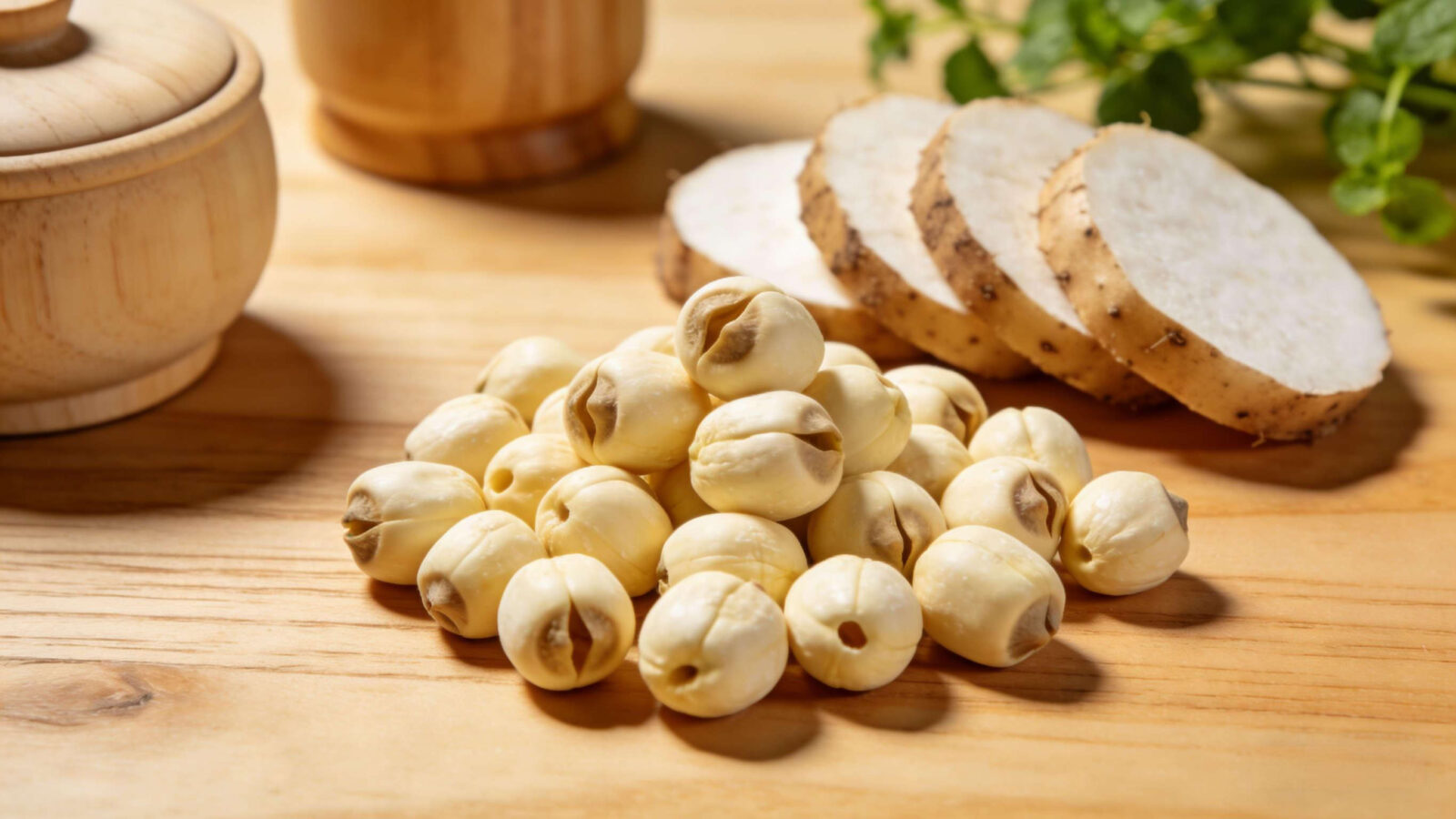
莲子是睡莲科植物莲(学名 Nelumbo nucifera)的成熟种子,是传统养生食材之一。莲子外壳坚硬,去壳后呈乳白或微黄色,口感绵软,略带清香。莲子既是美味食材,也是中医食疗中的常用药食同源食材,具有广泛的营养价值和养生功效。
二、莲子的营养价值
莲子营养丰富,富含碳水化合物、蛋白质、膳食纤维以及多种矿物质和维生素,是滋补佳品。主要营养成分包括:
1.优质植物蛋白:为身体提供重要的氨基酸。
2.膳食纤维:促进肠道蠕动,帮助维持消化健康。
3.B族维生素:参与能量代谢,维持神经系统健康。
4.钾:有助于调节体液平衡,维持正常血压。
5.钙和镁:帮助维持骨骼和牙齿健康。
三、莲子的健康益处
1.滋养脾胃:莲子性平,适合脾胃虚弱者食用,有助于调节消化功能。
2.安神助眠:莲子芯中的生物碱成分,有助于舒缓情绪,改善睡眠质量。
3.清热润燥:适合秋季滋润食用,帮助缓解干燥不适。
4.辅助调节血压:富含钾,有助于维持血压平衡。
5.抗氧化抗衰老:莲子中的多酚和维生素成分,帮助清除自由基,延缓衰老。
四、莲子的食用方式
1.莲子银耳羹:搭配银耳、红枣炖煮,滋补养颜。
2.莲子百合粥:与百合、大米同煮,清润可口。
3.莲子糯米饭:加入糯米、红豆,做成养生甜饭。
4.莲子炖汤:与薏米、红豆、黄芪等炖煮,滋养脾胃。
5.干莲子磨粉:磨成粉,冲泡成莲子糊,方便食用。
五、关于莲子的小知识
如何挑选优质莲子?
选择颗粒饱满、色泽均匀、无虫蛀和异味的莲子。
莲子芯能吃吗?
莲子芯虽味苦,但有清热安神作用,可根据个人口味选择去除或保留。
莲子适合天天吃吗?
适量食用有益健康,每天20-30克为宜。
总结
莲子是一种富含蛋白质、膳食纤维、B族维生素和钾的滋补食材。适量食用莲子有助于调理脾胃、安神助眠、清热润燥、辅助调节血压,并具有抗氧化抗衰老作用。无论煲汤、煮粥还是炖甜品,莲子都是兼具营养与美味的养生佳品。
Date: 08/29/2026 08/30/2026
Location: Star River Meditation Center
Teacher: Yunquan Huang
Buddhist Diet and Regimen
Lotus Seeds
Lotus Seeds: A Nourishing and Soothing Superfood
1. What are Lotus Seeds?
Lotus seeds are the mature seeds of the lotus plant (Nelumbo nucifera), a member of the water lily family. With their smooth outer shell removed, the seeds are creamy white or pale yellow, with a mild fragrance and soft texture. Used both as food and traditional medicine, lotus seeds are renowned for their nutritional richness and health benefits.
2. Nutritional Value of Lotus Seeds
Lotus seeds are nutrient-dense, providing carbohydrates, plant-based protein, fiber, and essential vitamins and minerals. Key nutrients include:
1.High-Quality Plant Protein: Provides essential amino acids for body functions.
2.Dietary Fiber: Promotes digestion and supports bowel regularity.
3.B Vitamins: Support energy metabolism and nervous system health.
4.Potassium: Helps regulate blood pressure and fluid balance.
5.Calcium and Magnesium: Essential for strong bones and teeth.
3. Health Benefits of Lotus Seeds
1.Supports Digestive Health: Gentle on the stomach and beneficial for those with weak digestion.
2.Promotes Relaxation and Sleep: Alkaloids in the lotus seed core may help calm the mind and improve sleep quality.
3.Moisturizes and Soothes: Ideal for maintaining hydration and alleviating dryness, especially in autumn.
4.Supports Heart Health: Potassium helps regulate blood pressure and cardiovascular health.
5.Provides Antioxidant Protection: Polyphenols and vitamins in lotus seeds help neutralize free radicals and slow aging.
4. Best Ways to Eat Lotus Seeds
1.Lotus Seed and White Fungus Dessert: Simmered with red dates for a nourishing sweet soup.
2.Lotus Seed and Lily Porridge: Cooked with rice and lily bulbs for a soothing breakfast.
3.Lotus Seed Sticky Rice: Mixed with glutinous rice and red beans for a nutritious dessert.
4.Lotus Seed Soup: Combined with barley, red beans, and herbs for a digestive tonic.
5.Lotus Seed Powder: Ground into powder for easy preparation as a porridge or drink.
5. Interesting Facts About Lotus Seeds
How to Choose Quality Lotus Seeds?
Select plump, evenly colored seeds without holes, pests, or off-odors.
Can You Eat Lotus Seed Cores?
The green cores are bitter but offer cooling and calming benefits. You can choose to keep or remove them.
Can Lotus Seeds Be Eaten Daily?
Yes, moderate consumption of 20-30 grams per day is beneficial for most people.
Conclusion
Lotus seeds are a nutrient-packed superfood, rich in protein, fiber, B vitamins, and potassium. Regular consumption supports digestion, enhances relaxation and sleep, hydrates the body, supports heart health, and provides antioxidant benefits. Whether in soups, porridges, desserts, or powders, lotus seeds are a versatile and nourishing addition to a balanced diet.