时间:09/12/2026 09/13/2026
地点:星河禅修中心
主讲:黄云全
斋食养生
蒲公英
蒲公英:清热解毒的天然草本植物
一、蒲公英是什么?
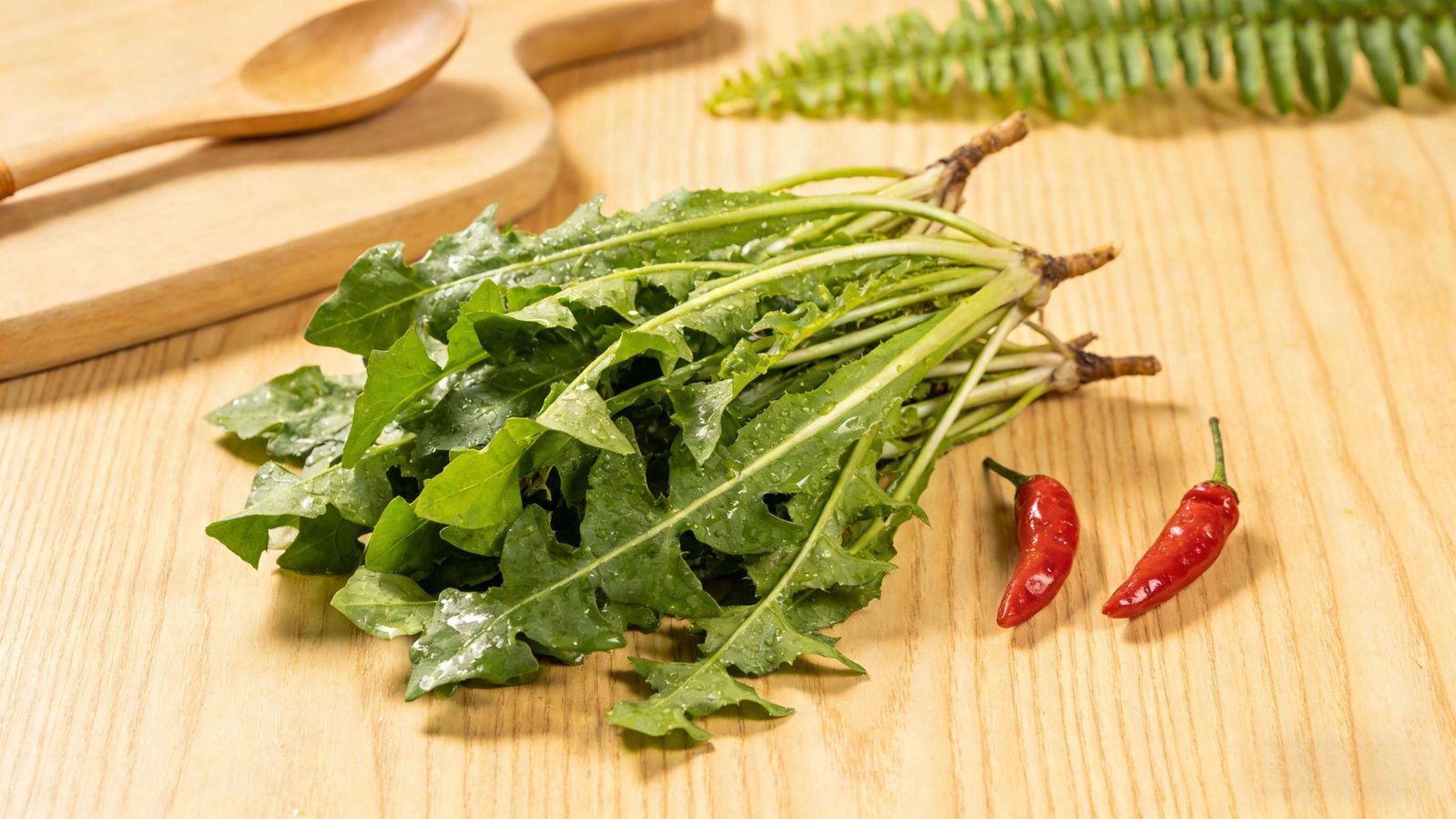
蒲公英(学名 Taraxacum mongolicum),是一种菊科多年生草本植物,广泛分布在田野、路边和山坡上。蒲公英全草可食,包括嫩叶、花朵和根部。它不仅是野菜中的佳品,也是一种传统食疗和药用植物,被誉为“天然清热解毒草”。
二、蒲公英的营养价值
蒲公英富含多种维生素、矿物质和植物活性成分,具有非常高的营养价值。主要营养成分包括:
1.维生素A:有助于保护视力和皮肤健康。
2.维生素C:增强免疫力,促进胶原蛋白合成。
3.钾:帮助维持体液平衡,调节血压。
4.膳食纤维:促进肠道蠕动,帮助消化。
5.黄酮类化合物:具有抗氧化和抗炎作用。
三、蒲公英的健康益处
1.清热解毒:传统上用于缓解内热、咽喉肿痛等问题。
2.增强免疫力:富含维生素C和黄酮类化合物,帮助提高身体抵抗力。
3.支持消化健康:蒲公英中的苦味成分和膳食纤维共同促进消化液分泌和肠道蠕动。
4.利尿消肿:蒲公英具有天然利尿作用,有助于排出多余水分。
5.抗氧化抗衰老:黄酮类和多酚成分有助于减少自由基损伤,延缓衰老。
四、蒲公英的食用方式
1.蒲公英凉拌:焯水后凉拌,清爽可口。
2.蒲公英茶:干品泡水代茶饮,清热润喉。
3.蒲公英粥:与小米或薏米同煮,清热养胃。
4.蒲公英汤:搭配豆腐或菌菇炖汤,清香营养。
5.蒲公英菜团:与杂粮粉拌匀蒸制成团,口感独特。
五、关于蒲公英的小知识
如何挑选优质蒲公英?
选择叶片完整、色泽翠绿、无枯黄和虫害的嫩蒲公英。
蒲公英适合天天吃吗?
适量食用有益健康,但因其性寒,脾胃虚寒者不宜长期大量食用。
蒲公英适合哪些人群?
一般人群均可食用,特别适合上火、湿热体质者。
总结
蒲公英是一种富含维生素A、维生素C、膳食纤维和黄酮类化合物的营养草本植物。适量食用有助于清热解毒、增强免疫力、促进消化、利尿消肿,并具有抗氧化抗衰老的作用。无论凉拌、煮茶、煲汤还是做粥,蒲公英都是兼具美味与养生价值的天然食材。
Date: 09/12/2026 09/13/2026
Location: Star River Meditation Center
Teacher: Yunquan Huang
Buddhist Diet and Regimen
Dandelion
Dandelion: A Natural Herb with Detoxifying and Immune-Boosting Benefits
1. What is Dandelion?
Dandelion (Taraxacum mongolicum) is a perennial herb from the Asteraceae family, commonly found in fields, roadsides, and hills. The entire plant is edible, including its tender leaves, flowers, and roots. Revered as a nutritious wild green and traditional medicinal herb, dandelion is often called a “natural detoxifier.”
2. Nutritional Value of Dandelion
Dandelion is rich in vitamins, minerals, and beneficial plant compounds, making it a nutrient-dense green. Key nutrients include:
1.Vitamin A: Supports vision and skin health.
2.Vitamin C: Boosts immunity and promotes collagen production.
3.Potassium: Helps regulate fluid balance and blood pressure.
4.Dietary Fiber: Supports digestive health and bowel regularity.
5.Flavonoids: Provide antioxidant and anti-inflammatory properties.
3. Health Benefits of Dandelion
1.Detoxifies and Clears Heat: Traditionally used to relieve internal heat and throat discomfort.
2.Boosts Immunity: Vitamin C and flavonoids enhance immune defenses.
3.Aids Digestive Health: Dandelion’s bitter compounds and fiber stimulate digestion and support gut health.
4.Promotes Urine Flow: Natural diuretic properties help remove excess fluids and reduce bloating.
5.Provides Antioxidant Protection: Flavonoids and polyphenols help fight free radicals and slow aging.
4. Best Ways to Eat Dandelion
1.Dandelion Salad: Blanched and dressed for a refreshing dish.
2.Dandelion Tea: Dried leaves steeped in hot water for a soothing herbal tea.
3.Dandelion Porridge: Cooked with millet or barley for a gentle, nourishing meal.
4.Dandelion Soup: Simmered with tofu or mushrooms for a light, cleansing broth.
5.Dandelion Veggie Balls: Mixed with whole grain flour and steamed into savory dumplings.
5. Interesting Facts About Dandelion
How to Choose Quality Dandelion?
Look for tender, green leaves without wilting or insect damage.
Can Dandelion Be Eaten Every Day?
Moderate consumption is beneficial, but due to its cooling nature, it’s not suitable for people with cold-sensitive digestion to consume daily.
Who Should Eat Dandelion?
Suitable for most people, especially those with heat-related symptoms or excess fluid retention.
Conclusion
Dandelion is a nutrient-dense herb rich in vitamin A, vitamin C, fiber, potassium, and flavonoids. Regular, moderate consumption supports detoxification, boosts immunity, aids digestion, reduces bloating, and offers antioxidant protection. Whether enjoyed in salads, teas, soups, or porridge, dandelion is a versatile and valuable addition to a healthy diet.