时间:02/14/2026 02/15/2026
地点:星河禅修中心
主讲:黄云全
斋食养生
西葫芦
西葫芦:富含膳食纤维与抗氧化物的健康蔬菜
一、西葫芦是什么?
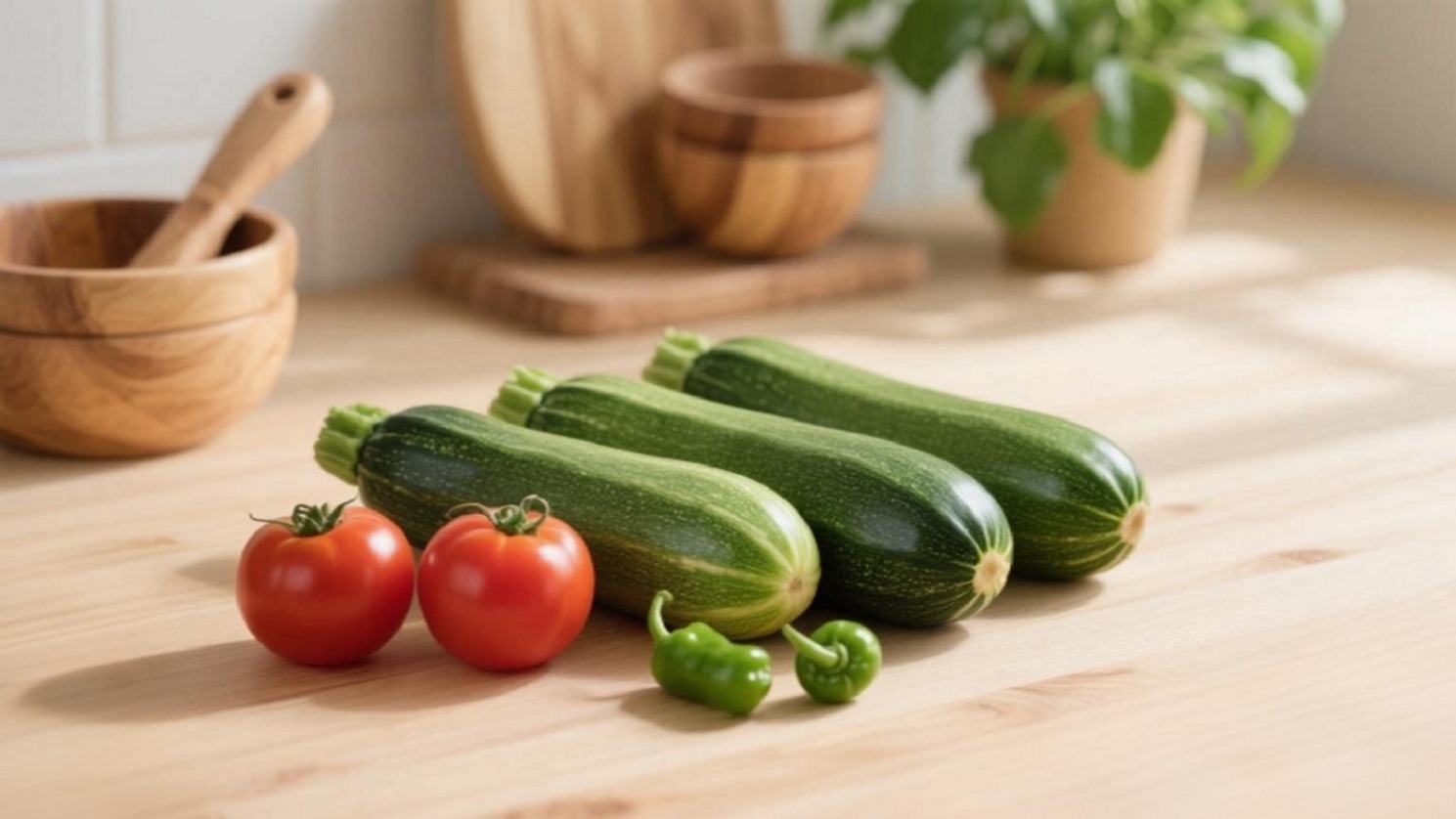
西葫芦(学名 Cucurbita pepo)是一种葫芦科蔬菜,原产于美洲,如今在世界各地广泛种植。西葫芦外形细长,颜色常见的有绿色和黄色,口感清淡嫩滑,适用于炒制、炖煮、焯水或蒸煮,是一种营养丰富且易于消化的蔬菜。
二、西葫芦的营养价值
西葫芦是一种低热量、高水分的蔬菜,富含多种维生素、矿物质和抗氧化物。主要营养成分包括:
1.膳食纤维:促进肠道蠕动,帮助消化健康。
2.维生素C:增强免疫力,促进皮肤健康。
3.钾:有助于维持体液平衡,调节血压。
4.β-胡萝卜素:可转化为维生素A,保护视力并增强抗氧化能力。
5.叶黄素和玉米黄质:保护眼睛健康,减少蓝光损害。
三、西葫芦的健康益处
1.促进消化健康:富含膳食纤维,有助于肠道蠕动,减少便秘问题。
2.支持心血管健康:钾含量丰富,有助于调节血压,降低心血管疾病风险。
3.增强免疫力:维生素C有助于提高机体抵抗力,减少感冒风险。
4.帮助体重管理:低热量、高水分的特性可增加饱腹感,适合健康饮食。
5.保护视力:β-胡萝卜素和叶黄素对眼睛有益,减少视力退化风险。
四、西葫芦的食用方式
1.清炒西葫芦:简单翻炒,保持嫩滑口感。
2.炖煮西葫芦:与豆腐、菌菇等炖煮,营养丰富。
3.凉拌西葫芦:焯水后调味,清爽可口。
4.西葫芦煎饼:与面粉混合,制作健康美味的小食。
5.蒸西葫芦:保留原汁原味,口感清甜软嫩。
五、关于西葫芦的小知识
如何挑选优质西葫芦?
选择表皮光滑、颜色均匀、质地坚实的西葫芦。
西葫芦需要去皮吗?
不需要,西葫芦的皮富含营养,可直接食用。
西葫芦适合每天食用吗?
适量食用有益健康,每天100-200克即可满足营养需求。
总结
西葫芦是一种富含膳食纤维、维生素C、钾和抗氧化物的营养蔬菜。适量食用西葫芦可促进消化、增强免疫力、保护心血管健康,并帮助体重管理和视力健康。无论是清炒、炖煮、凉拌还是制作煎饼,西葫芦都是健康饮食的理想选择。
Date: 02/14/2026 02/15/2026
Location: Star River Meditation Center
Teacher: Yunquan Huang
Buddhist Diet and Regimen
Zucchini
Zucchini: A Fiber-Rich and Antioxidant-Packed Healthy Vegetable
1. What is Zucchini?
Zucchini (Cucurbita pepo) is a type of squash that belongs to the gourd family. Native to the Americas, it is now cultivated worldwide. Zucchini has a mild, tender texture and comes in green and yellow varieties. It is highly versatile and can be stir-fried, boiled, steamed, or used in baking, making it a nutrient-dense and easily digestible vegetable.
2. Nutritional Value of Zucchini
Zucchini is a low-calorie, high-water-content vegetable rich in essential vitamins, minerals, and antioxidants. Key nutrients include:
1.Dietary Fiber: Supports digestion and promotes gut health.
2.Vitamin C: Boosts immunity and promotes skin health.
3.Potassium: Helps regulate blood pressure and maintain fluid balance.
4.Beta-Carotene: Converts into vitamin A, supporting eye health and providing antioxidant benefits.
5.Lutein and Zeaxanthin: Protect against blue light damage and support vision health.
3. Health Benefits of Zucchini
1. Aids Digestive Health: High fiber content supports bowel movement and prevents constipation.
2.Supports Heart Health: Rich in potassium, helping regulate blood pressure and reducing cardiovascular risks.
3.Boosts Immunity: High in vitamin C, strengthening the body’s defense system.
4.Aids in Weight Management: Low in calories and high in water, promoting satiety and reducing overeating.
5.Protects Vision: Beta-carotene and lutein help prevent age-related eye degeneration.
4. Best Ways to Eat Zucchini
1.Stir-Fried Zucchini: Lightly sautéed for a tender and flavorful dish.
2.Boiled Zucchini Soup: Cooked with tofu and mushrooms for a nutritious broth.
3.Blanched Zucchini Salad: Chilled and seasoned for a refreshing side dish.
4.Zucchini Pancakes: Mixed with flour and cooked into a crispy snack.
5.Steamed Zucchini: Retains natural sweetness and a soft texture.
5.Interesting Facts About Zucchini
How to Choose the Best Zucchini?
Look for smooth, firm zucchinis with even coloring.
Should Zucchini Be Peeled?
No, the skin is nutrient-rich and can be eaten directly.
Is It Safe to Eat Zucchini Daily?
Yes, consuming 100-200g per day is beneficial for a balanced diet.
Conclusion
Zucchini is a fiber-rich, vitamin-packed vegetable that supports digestion, immunity, heart health, weight management, and vision health. Whether stir-fried, boiled, blanched, or used in pancakes, zucchini is a delicious and nutritious addition to a healthy diet.