时间:02/07/2026 02/08/2026
地点:星河禅修中心
主讲:黄云全
斋食养生
大米
大米:富含碳水化合物与营养素的主食之王
一、大米是什么?
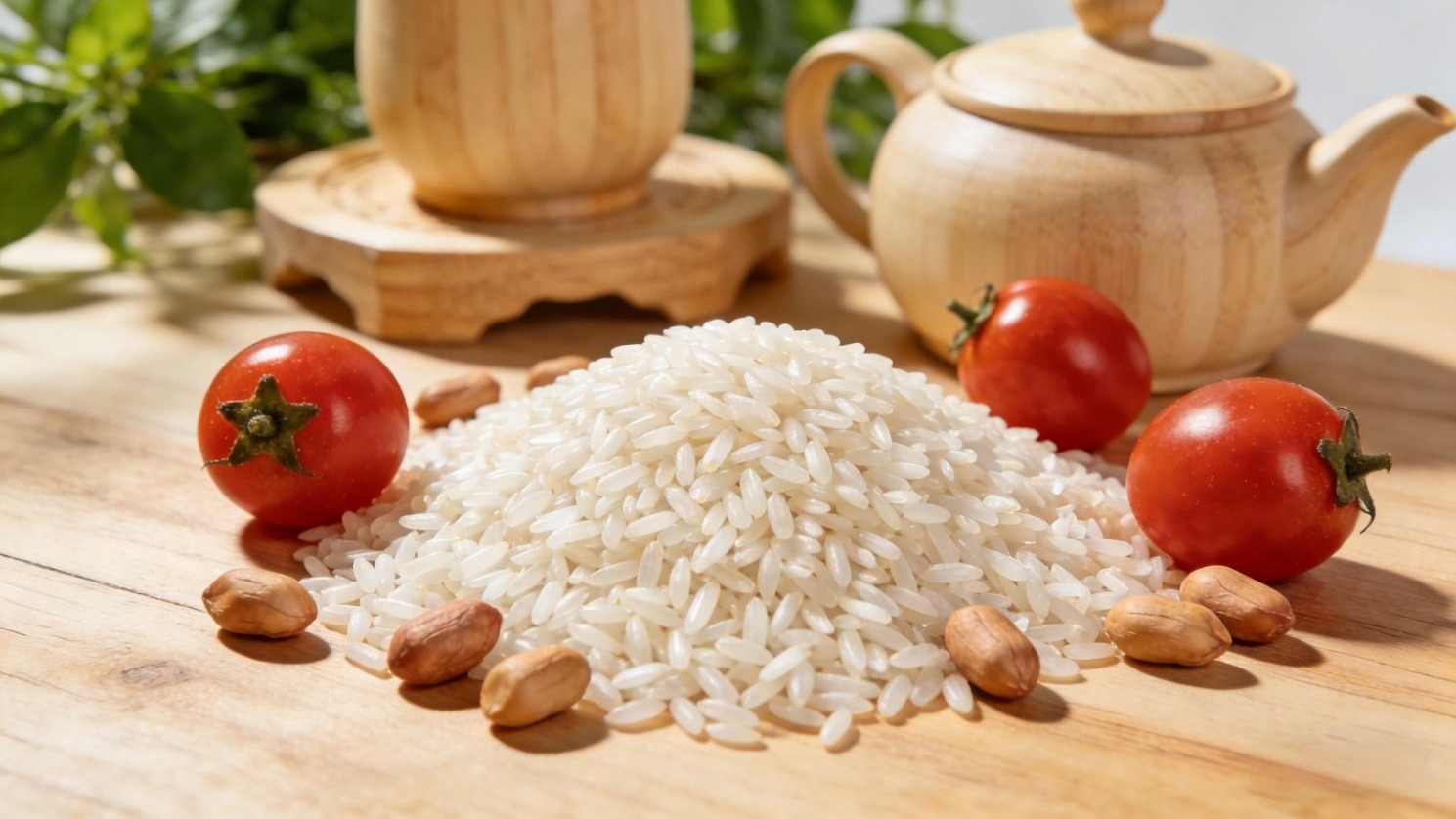
大米(学名 Oryza sativa)是世界上最重要的粮食作物之一,属于禾本科植物。它是全球数十亿人口的主食,特别是在亚洲、非洲和南美洲广泛种植和食用。大米种类繁多,包括白米、糙米、黑米和红米,每种类型的营养成分和口感略有不同。
二、大米的营养价值
大米是一种高碳水化合物、低脂肪的谷物,富含多种维生素和矿物质。主要营养成分包括:
1.碳水化合物:提供人体主要能量来源,维持日常活动。
2.膳食纤维(主要存在于糙米和黑米中):促进消化健康,帮助肠道蠕动。
3.B族维生素:支持能量代谢,维持神经系统功能。
4.镁:有助于肌肉放松和骨骼健康。
5.蛋白质:虽然含量不高,但仍提供人体必需氨基酸。
三、大米的健康益处
1.提供稳定能量:大米富含复杂碳水化合物,能长时间提供能量,适合作为主食。
2.促进消化健康:糙米和黑米中的膳食纤维有助于维持肠道菌群平衡,减少便秘。
3.支持心血管健康:含有镁和少量抗氧化物,有助于降低高血压风险。
4.不含麸质:大米是天然无麸质食品,适合麸质不耐受人群食用。
5.帮助体重管理:糙米和黑米的高纤维特性可增加饱腹感,减少过量进食。
四、大米的食用方式
1.蒸米饭:最常见的食用方式,口感松软可口。
2.煮粥:大米熬煮成粥,适合作为早餐或温补食物。
3.炒饭:将米饭搭配蔬菜炒制,增加风味和营养。
4.米粉或米线:加工成米粉或米线,可用于汤面或炒制。
5.米糕或米饼:米粉可用于制作糕点或米饼,口感丰富。
五、关于大米的小知识
如何挑选优质大米?
选择色泽均匀、无虫蛀、无异味的大米。
糙米和白米哪个更健康?
糙米含有更多膳食纤维和维生素B,但白米口感较软,更易消化。
大米适合每天食用吗?
适量食用有助于均衡饮食,每天摄取适量搭配其他全谷物更健康。
总结
大米是一种富含碳水化合物、B族维生素和矿物质的主食,适量食用可提供稳定能量、促进消化健康、支持心血管功能,并适合多种饮食需求。无论是蒸饭、煮粥、炒饭还是制作米粉和糕点,大米都是全球公认的营养主食选择。
Date: 02/07/2026 02/08/2026
Location: Star River Meditation Center
Teacher: Yunquan Huang
Buddhist Diet and Regimen
Rice
Rice: The Energy-Rich Staple Grain Packed with Nutrients
1. What is Rice?
Rice (Oryza sativa) is one of the most important staple crops in the world, belonging to the grass family. It serves as the primary food source for billions of people, particularly in Asia, Africa, and South America. There are many varieties of rice, including white rice, brown rice, black rice, and red rice, each with its unique nutritional profile and texture.
2. Nutritional Value of Rice
Rice is a high-carbohydrate, low-fat grain that provides essential vitamins and minerals. Key nutrients include:
1.Carbohydrates: The primary energy source for daily activities.
2.Dietary Fiber (mainly in brown and black rice): Supports digestion and gut health.
3.B Vitamins: Essential for energy metabolism and nervous system function.
4.Magnesium: Aids in muscle relaxation and bone health.
5.Protein: Although not high, rice contains essential amino acids for the body.
3. Health Benefits of Rice
1.Provides Sustained Energy: Rich in complex carbohydrates, rice provides long-lasting energy, making it an ideal staple.
2.Aids Digestive Health: The fiber in brown and black rice supports gut bacteria and prevents constipation.
3.Supports Heart Health: Contains magnesium and small amounts of antioxidants, which may help lower blood pressure.
4.Naturally Gluten-Free: Suitable for individuals with gluten intolerance or celiac disease.
5.Aids in Weight Management: High-fiber brown and black rice promote satiety and reduce overeating.
4. Best Ways to Eat Rice
1.Steamed Rice: The most common preparation, offering a soft and fluffy texture.
2.Rice Porridge: Slow-cooked into a thick porridge, perfect for breakfast or a soothing meal.
3.Fried Rice: Stir-fried with vegetables to enhance flavor and nutrition.
4.Rice Noodles or Vermicelli: Processed into noodles for soups or stir-fries.
5.Rice Cakes or Crackers: Made from rice flour for a crunchy or chewy snack option.
5. Interesting Facts About Rice
How to Choose the Best Rice?
Look for uniform grains without pests or an off smell.
Which is Healthier: Brown Rice or White Rice?
Brown rice has more fiber and B vitamins, while white rice is softer and easier to digest.
Is It Safe to Eat Rice Daily?
Yes, but it’s best to consume in moderation and combine with other whole grains for a balanced diet.
Conclusion
Rice is a carbohydrate-rich, vitamin-packed staple grain that provides sustained energy, supports digestion, promotes heart health, and is gluten-free. Whether steamed, cooked into porridge, stir-fried, or processed into noodles and cakes, rice remains a versatile and nutritious food choice worldwide.