时间:05/16/2026 05/17/2026
地点:星河禅修中心
主讲:黄云全
斋食养生
甜椒
甜椒:富含维生素与抗氧化物的缤纷健康蔬菜
一、甜椒是什么?
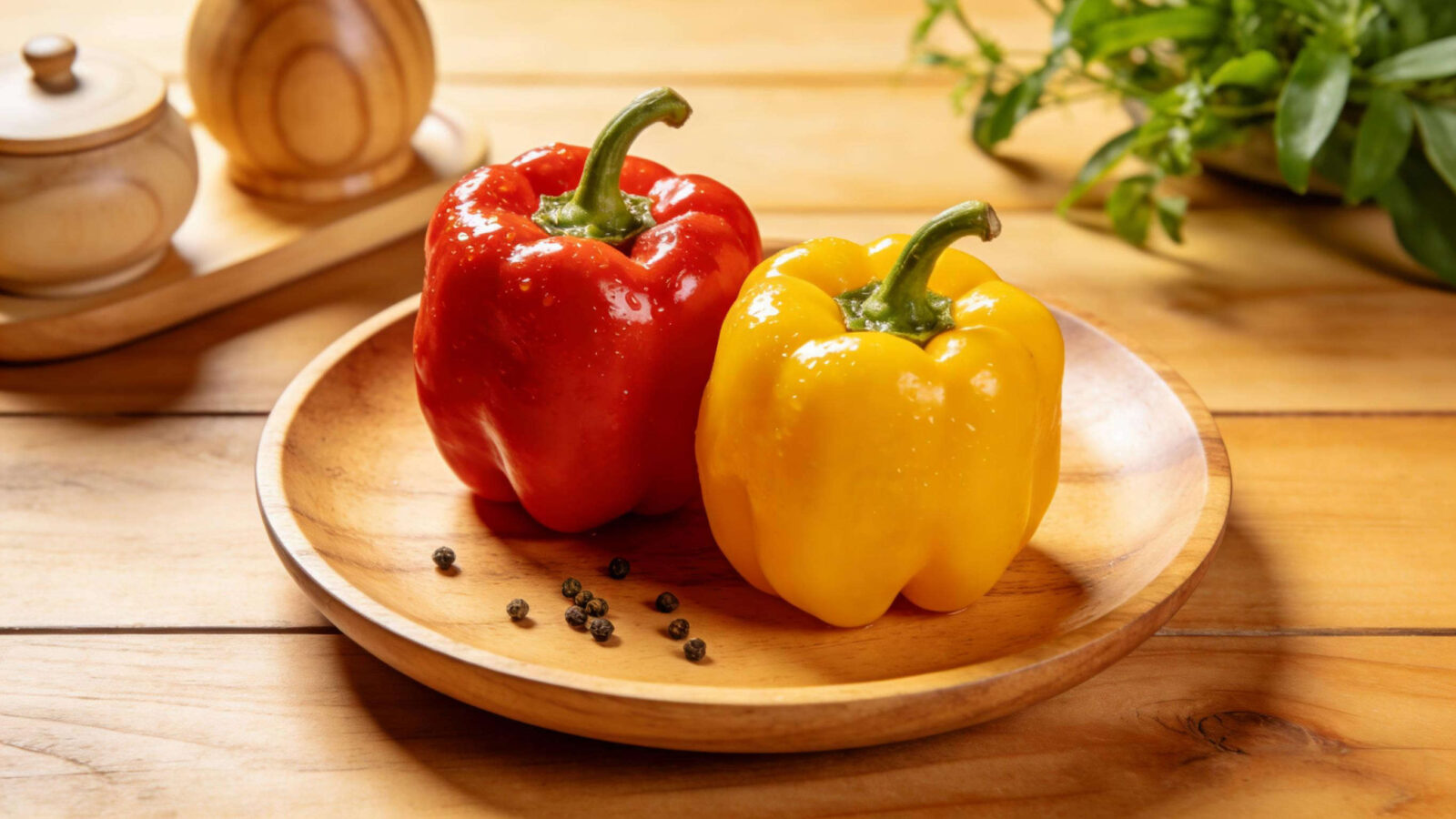
甜椒(学名 Capsicum annuum)是一种茄科蔬菜,因口感清甜、颜色鲜艳而得名。常见的甜椒颜色包括红、黄、绿、橙等,不同颜色代表成熟度和营养成分的差异。甜椒口感脆嫩,适合生食、清炒、炖煮等多种烹饪方式,是餐桌上营养丰富又美观的蔬菜之一。
二、甜椒的营养价值
甜椒热量低,水分高,富含多种维生素和抗氧化物,是非常优质的健康食材。主要营养成分包括:
1.维生素C:增强免疫力,帮助抗氧化和胶原蛋白合成。
2.β-胡萝卜素:有助于保护视力,并能在体内转化为维生素A。
3.维生素E:帮助清除自由基,保护细胞健康。
4.钾:帮助维持体液平衡,调节血压。
5.膳食纤维:促进肠道蠕动,维持消化系统健康。
三、甜椒的健康益处
1.增强免疫力:高维生素C含量,有助于提升免疫力,抵御外界侵害。
2.保护视力:β-胡萝卜素和叶黄素有助于维护视网膜健康,预防视力衰退。
3.抗氧化抗衰老:多种抗氧化物质帮助清除自由基,减少细胞损伤。
4.促进消化健康:膳食纤维有助于改善肠道环境,预防便秘。
5.支持心血管健康:富含钾,有助于调节血压,保护心血管功能。
四、甜椒的食用方式
1.鲜食甜椒:切片或切条,搭配沙拉食用,脆嫩爽口。
2.清炒甜椒:与其他蔬菜简单炒制,保留爽脆口感。
3.甜椒炖菜:搭配菌菇、豆制品等炖煮,口感丰富。
4.甜椒蒸食:保留原味,口感清甜。
5.甜椒馅料:切碎后与豆腐、菌菇等混合,作为包子或饺子的馅料。
五、关于甜椒的小知识
如何挑选优质甜椒?
选择表皮光滑、色泽鲜亮、果肉坚实的甜椒。
甜椒颜色不同营养差异大吗?
是的,红椒的抗氧化物和维生素C含量最高,黄椒次之,绿椒相对较少。
甜椒适合每天食用吗?
适量食用对健康有益,每天50-150克为宜。
总结
甜椒是一种富含维生素C、β-胡萝卜素、维生素E和膳食纤维的健康蔬菜。适量食用甜椒可增强免疫力、保护视力、抗氧化抗衰老,并有助于消化健康和心血管养护。无论生食、清炒、炖煮或做馅料,甜椒都是色香味俱全的健康选择。
Date: 05/16/2026 05/17/2026
Location: Star River Meditation Center
Teacher: Yunquan Huang
Buddhist Diet and Regimen
Bell Pepper
Bell Pepper: A Colorful and Nutrient-Rich Super Vegetable
1. What is Bell Pepper?
Bell pepper (Capsicum annuum) is a member of the nightshade family, known for its vibrant colors and sweet taste. Common colors include red, yellow, green, and orange, each representing different ripeness levels and nutrient profiles. With a crisp texture, bell peppers can be eaten raw, stir-fried, roasted, or added to soups, making them a nutritious and versatile ingredient.
2. Nutritional Value of Bell Peppers
Bell peppers are low in calories and high in water content, while being packed with vitamins and antioxidants. Key nutrients include:
1.Vitamin C: Boosts immunity, supports collagen production, and offers antioxidant benefits.
2.Beta-Carotene: Converts into vitamin A in the body, promoting eye health.
3.Vitamin E: Protects cells from oxidative damage.
4.Potassium: Helps regulate blood pressure and maintain fluid balance.
5.Dietary Fiber: Supports digestion and gut health.
3. Health Benefits of Bell Peppers
1.Enhances Immunity: High in vitamin C, strengthening the immune system and defending against infections.
2.Protects Vision: Beta-carotene and lutein contribute to healthy vision and prevent age-related eye issues.
3.Powerful Antioxidant Properties: Rich in antioxidants to combat free radicals and slow aging.
4.Supports Digestive Health: Fiber helps regulate bowel movements and promotes a healthy gut microbiome.
5.Promotes Heart Health: Potassium helps manage blood pressure and protects cardiovascular health.
4. Best Ways to Eat Bell Peppers
1.Raw Bell Peppers: Sliced into sticks for snacking or added to salads for extra crunch.
2.Stir-Fried Bell Peppers: Lightly sautéed to preserve nutrients and crispness.
3.Stuffed Bell Peppers: Filled with mushrooms, grains, or tofu for a nutritious dish.
4.Roasted Bell Peppers: Enhances natural sweetness and adds smoky flavor.
5.Bell Pepper Soup: Combined with other vegetables for a colorful and nutritious broth.
5. Interesting Facts About Bell Peppers
How to Choose the Best Bell Peppers?
Look for firm, smooth peppers with bright, shiny skin.
Do Different Colors Have Different Nutrients?
Yes, red peppers have the highest vitamin C and antioxidants, followed by yellow and green.
Is It Safe to Eat Bell Peppers Daily?
Yes, consuming 50-150 grams per day supports balanced nutrition.
Conclusion
Bell peppers are vibrant, vitamin-packed vegetables rich in vitamin C, beta-carotene, vitamin E, and fiber. Regular consumption enhances immunity, supports vision, aids digestion, and protects heart health. Whether eaten raw, stir-fried, stuffed, or roasted, bell peppers are a nutritious and flavorful addition to any diet.