时间:10/10/2026 10/11/2026
地点:星河禅修中心
主讲:陈双双
斋食养生
辣椒
辣椒:富含维生素与植物辣素的热情果实
一、辣椒是什么?
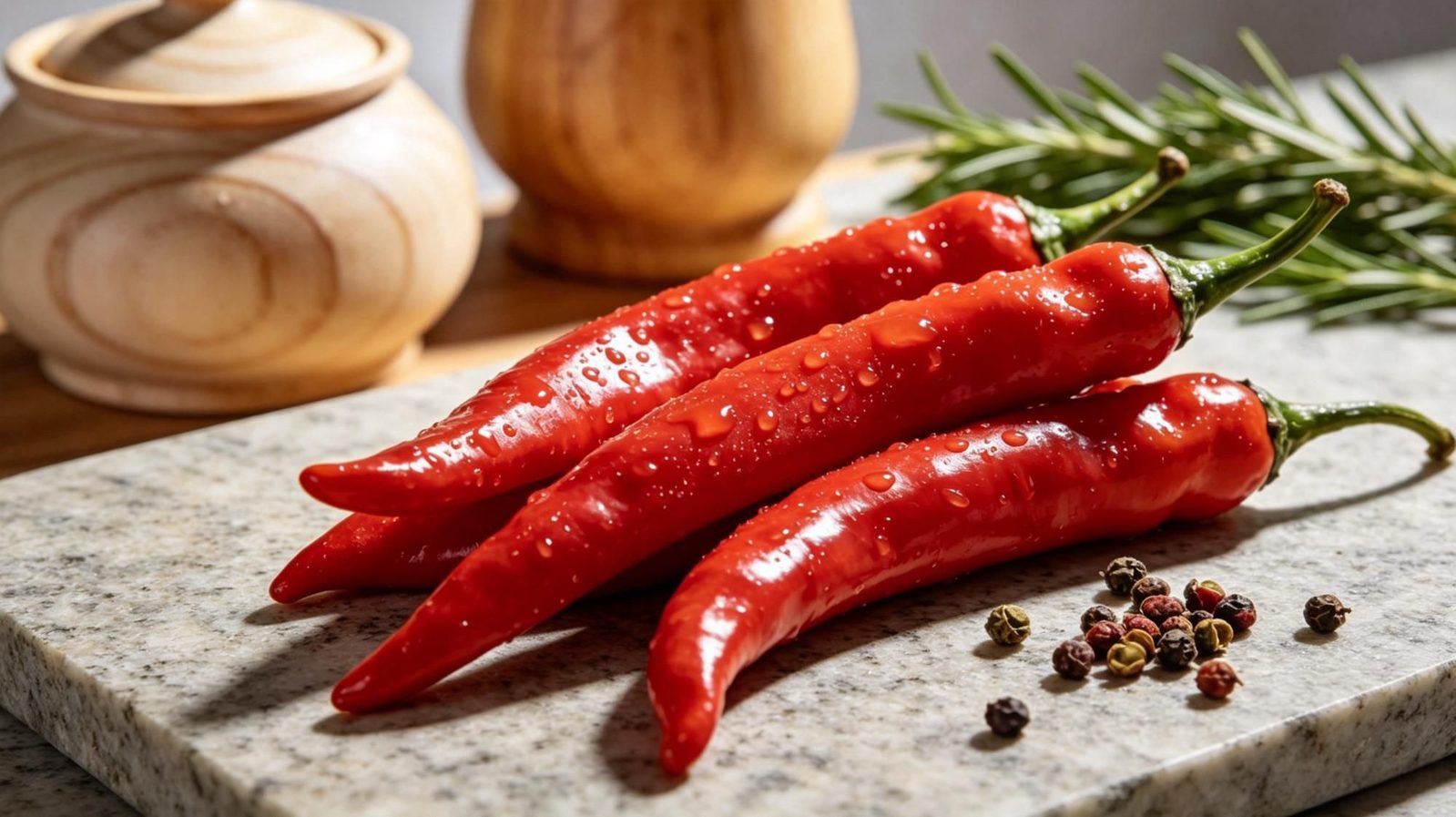
辣椒(学名 Capsicum annuum)是一种广泛种植的果蔬,属于茄科辣椒属植物。辣椒果实颜色鲜艳,有红、黄、绿等多种颜色,口感从微辣到火辣不等。辣椒不仅为菜肴增添风味,还富含多种维生素和植物活性成分,是日常膳食中重要的调味与营养食材。
二、辣椒的营养价值
辣椒的营养成分丰富,特别是维生素C、胡萝卜素和多种矿物质。主要营养成分包括:
1.维生素C:增强免疫力,促进胶原蛋白合成。
2.辣椒素:赋予辣味,并具有促进代谢和抗氧化作用。
3.β-胡萝卜素:有助于保护视力和皮肤健康。
4.钾:帮助维持体液平衡,支持正常血压。
5.膳食纤维:促进肠道蠕动,帮助消化。
三、辣椒的健康益处
1.促进新陈代谢:辣椒素有助于加快代谢,帮助消耗热量。
2.增强免疫力:维生素C丰富,有助于提升身体抵抗力。
3.抗氧化抗衰老:辣椒中的多酚和胡萝卜素帮助清除自由基,延缓衰老。
4.促进消化:适量食用刺激消化液分泌,提升食欲。
5.辅助心血管健康:钾元素有助于维持正常血压,保护血管健康。
四、辣椒的食用方式
1.凉拌辣椒:搭配芝麻或紫苏叶,清爽开胃。
2.炒素菜加辣椒:为菌菇、茼蒿等素菜增香添色。
3.辣椒拌杂粮饭:切碎拌入糙米饭或藜麦饭,丰富口感。
4.辣椒煮汤:与南瓜或豆腐炖煮,微辣开胃。
5.腌制辣椒:制成泡椒或辣椒酱,风味独特。
五、关于辣椒的小知识
如何挑选优质辣椒?
选择表皮光滑、色泽鲜亮、手感饱满的辣椒。
辣椒适合天天吃吗?
适量食用有益健康,过量可能刺激胃肠道。
哪些人群不宜多吃?
肠胃敏感、胃溃疡、咽喉不适者应少量或避免食用。
总结
辣椒是一种富含维生素C、β-胡萝卜素、辣椒素和膳食纤维的营养果蔬。适量食用辣椒有助于增强免疫力、促进新陈代谢、抗氧化抗衰老、促进消化并辅助心血管健康。无论凉拌、炒菜、煮汤还是腌制,辣椒都是增添风味与营养的健康选择。
Date: 10/10/2026 10/11/2026
Location: Star River Meditation Center
Teacher: Shuangshuang Chen
Buddhist Diet and Regimen
Chili Peppers
Chili Peppers: A Spicy Fruit Rich in Vitamin C and Capsaicin
1. What are Chili Peppers?
Chili peppers (Capsicum annuum) are widely cultivated fruits from the nightshade family. Available in a spectrum of colors including red, green, and yellow, they range from mildly spicy to intensely hot. Beyond their fiery flavor, chili peppers are rich in vitamins and bioactive compounds, making them both a culinary staple and a valuable nutritional food.
2. Nutritional Value of Chili Peppers
Chili peppers are packed with nutrients, particularly vitamin C, carotenoids, and essential minerals. Key nutrients include:
1.Vitamin C: Boosts immunity and supports collagen production.
2.Capsaicin: Provides the spicy heat and promotes metabolic health.
3.Beta-Carotene: Supports healthy vision and skin.
4.Potassium: Helps regulate fluid balance and blood pressure.
5.Dietary Fiber: Supports digestion and gut health.
3. Health Benefits of Chili Peppers
1.Boosts Metabolism: Capsaicin helps speed up metabolism, enhancing calorie burning.
2.Enhances Immunity: High vitamin C content supports the immune system.
3.Provides Antioxidant Protection: Polyphenols and carotenoids help fight oxidative stress and slow aging.
4.Aids Digestion: Moderate consumption stimulates digestive enzyme secretion and improves appetite.
5.Supports Heart Health: Potassium contributes to healthy blood pressure and cardiovascular health.
4. Best Ways to Eat Chili Peppers
1.Chili Pepper Salad: Mixed with sesame seeds or perilla leaves for a refreshing side dish.
2.Stir-Fried Vegetables with Chili: Adds flavor and color to vegetable dishes like mushrooms or greens.
3.Grain Bowls with Chili Peppers: Finely chopped and mixed into brown rice or quinoa for a flavorful meal.
4.Chili Pepper Soup: Simmered with pumpkin or tofu for a warming broth.
5.Pickled or Fermented Chili Peppers: Adds a tangy and spicy kick to meals.
5. Interesting Facts About Chili Peppers
How to Choose Quality Chili Peppers?
Look for smooth, shiny peppers that are firm and heavy for their size.
Can You Eat Chili Peppers Every Day?
Moderate consumption is beneficial, but excessive intake may irritate the stomach.
Who Should Avoid Chili Peppers?
People with sensitive stomachs, ulcers, or throat issues should consume sparingly.
Conclusion
Chili peppers are nutrient-dense fruits rich in vitamin C, beta-carotene, capsaicin, and fiber. Regular, moderate consumption boosts immunity, supports metabolism, provides antioxidant protection, aids digestion, and promotes heart health. Whether enjoyed fresh, cooked, or pickled, chili peppers add bold flavor and nutritional benefits to a balanced diet.