时间:05/09/2026 05/10/2026
地点:星河禅修中心
主讲:黄云全
斋食养生
糙米
糙米:富含膳食纤维与多种营养素的全谷物
一、糙米是什么?
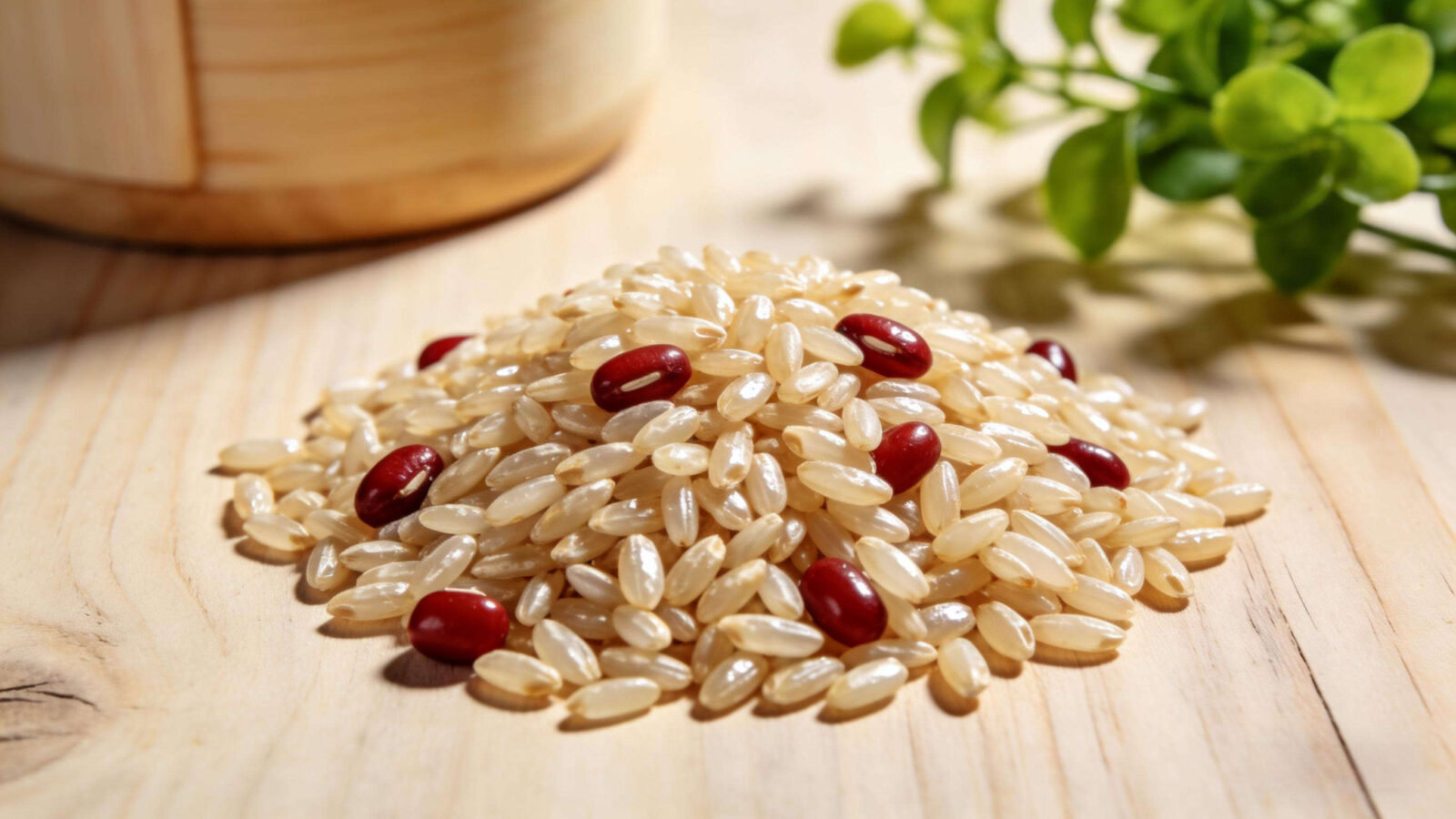
糙米是大米的一种,是稻谷经过脱壳处理后,保留外层麸皮和胚芽的完整米粒。相比精白米,糙米保留了更多的营养成分,口感略有嚼劲,具有天然的谷物香气,是一种营养丰富的全谷物食品。
二、糙米的营养价值
糙米富含膳食纤维、维生素和矿物质,营养比精白米更加全面。主要营养成分包括:
1.膳食纤维:促进肠道蠕动,改善消化健康。
2.B族维生素:支持能量代谢,维持神经系统健康。
3.镁:帮助维持骨骼健康,支持肌肉和神经功能。
4.钾:有助于调节血压,维持体液平衡。
5.抗氧化物:外层麸皮和胚芽中含有多酚等植物化合物,有助于抗氧化。
三、糙米的健康益处
1.促进消化健康:高纤维有助于维持肠道菌群平衡,预防便秘。
2.有助于控制体重:富含膳食纤维,增加饱腹感,减少过量进食。
3.支持心血管健康:镁和钾有助于降低血压,保护心脏健康。
4.有助于血糖管理:低升糖指数(GI),有助于稳定餐后血糖。
5.增强抗氧化能力:多酚等抗氧化物质,有助于清除自由基,保护细胞健康。
四、糙米的食用方式
1.蒸糙米饭:简单蒸煮,口感Q弹,营养丰富。
2.糙米粥:搭配小米或红豆熬煮,口感醇厚。
3.糙米饭团:与杂粮、坚果等混合制成饭团,方便携带。
4.糙米炒饭:搭配蔬菜炒制,增加膳食纤维和风味。
5.糙米茶:炒制后泡茶,带有独特的米香。
五、关于糙米的小知识
糙米和白米有什么区别?
糙米保留了麸皮和胚芽,营养更丰富,而白米口感较软糯,但营养有所流失。
如何让糙米更好煮熟?
可提前浸泡2-4小时,缩短煮饭时间,使口感更柔软。
糙米适合每天食用吗?
适量食用有助于均衡营养,每天50-100克即可。
总结
糙米是一种富含膳食纤维、B族维生素、镁和抗氧化物的全谷物。适量食用糙米可促进消化、维持血糖稳定、支持心血管健康,并有助于体重管理和增强抗氧化能力。无论是蒸饭、煮粥还是炒饭,糙米都是值得推荐的健康主食。
Date: 05/09/2026 05/10/2026
Location: Star River Meditation Center
Teacher: Yunquan Huang
Buddhist Diet and Regimen
Brown Rice
Brown Rice: A Nutrient-Dense Whole Grain Rich in Fiber
1. What is Brown Rice?
Brown rice is a type of whole grain rice, processed by removing only the outer husk while retaining the bran and germ layers. Compared to white rice, brown rice retains more nutrients and has a chewy texture with a nutty aroma, making it a highly nutritious dietary choice.
2. Nutritional Value of Brown Rice
Brown rice is high in fiber, vitamins, and minerals, offering a more complete nutritional profile than white rice. Key nutrients include:
1.Dietary Fiber: Supports digestion and promotes bowel health.
2.B Vitamins: Essential for energy metabolism and nervous system function.
3.Magnesium: Supports bone strength and aids muscle and nerve function.
4.Potassium: Helps regulate blood pressure and maintain fluid balance.
5.Antioxidants: The bran and germ contain polyphenols and other beneficial compounds that combat oxidative stress.
3. Health Benefits of Brown Rice
1.Aids Digestive Health: High fiber content supports gut health and prevents constipation.
2.Helps Manage Weight: High fiber increases satiety, helping control appetite and overeating.
3.Supports Heart Health: Magnesium and potassium contribute to healthy blood pressure and cardiovascular function.
4.Regulates Blood Sugar: Brown rice has a lower glycemic index (GI), helping stabilize post-meal blood sugar levels.
5.Enhances Antioxidant Protection: Polyphenols and other antioxidants help protect cells from damage.
4. Best Ways to Eat Brown Rice
1.Steamed Brown Rice: Simply steamed for a chewy and nutritious meal.
2.Brown Rice Porridge: Cooked with millet or red beans for a hearty, nourishing dish.
3.Brown Rice Balls: Combined with grains and nuts for convenient, fiber-rich snacks.
4.Brown Rice Stir-Fry: Fried with vegetables for a fiber-packed meal.
5.Brown Rice Tea: Toasted and brewed into a fragrant, nutty tea.
5. Interesting Facts About Brown Rice
What’s the Difference Between Brown Rice and White Rice?
Brown rice retains the bran and germ, offering more nutrients, while white rice has a softer texture but fewer nutrients.
How to Cook Brown Rice Better?
Soaking brown rice for 2-4 hours before cooking helps soften it and reduce cooking time.
Is It Safe to Eat Brown Rice Daily?
Yes, moderate daily consumption (50-100g) contributes to a balanced diet.
Conclusion
Brown rice is a fiber-rich, nutrient-dense whole grain that supports digestion, heart health, blood sugar control, and weight management. Whether steamed, in porridge, or stir-fried, brown rice is a healthy and versatile staple for any balanced diet.