时间:03/14/2026 03/15/2026
地点:星河禅修中心
主讲:黄云全
打坐参禅
如何延长入静时间
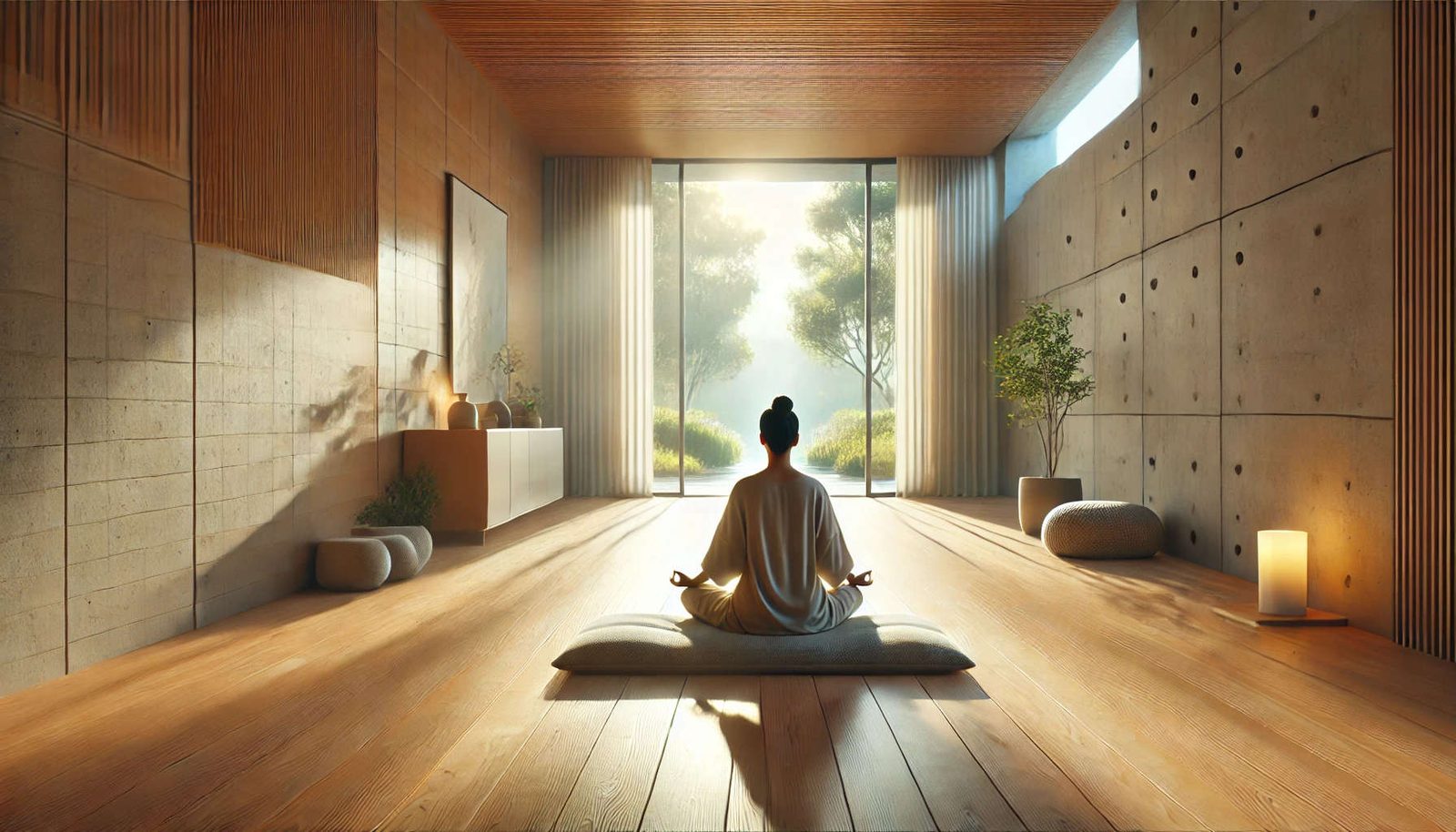
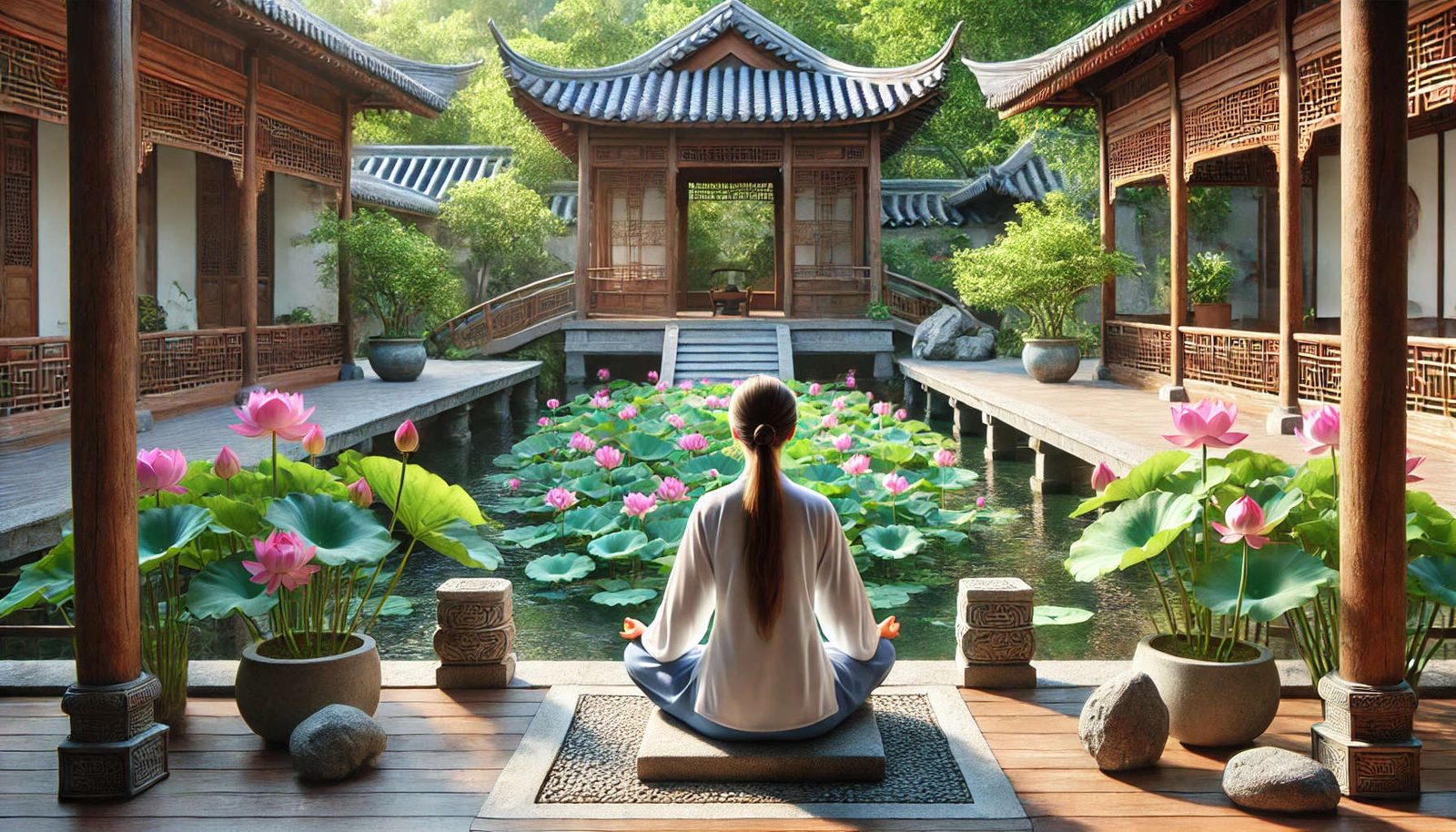
许多修行者在打坐中都会经历这样的阶段:刚开始能够进入安静,但很快又被念头、身体不适或外界干扰带走。“入静时间短”并不是修行失败,而是身心尚未真正协调的自然现象。延长入静时间,并非靠意志硬撑,而是通过更深层的放松、觉知与正确的关系,让安静自然停留。
一、为何入静容易,却难以维持?
1.身体尚未真正放松
表面静了,深层肌肉与神经系统仍在用力。
2.心仍在暗中运作
即使没有明显念头,评估、期待、比较仍在进行。
3.对“静”的执着反而造成扰动
一想“要保持静”,心就已经动了。
二、延长入静的第一关键:放松要更深
1.从表层放松进入整体放松
不仅是肩颈放松,而是让整个身体向下沉。
2.允许重量完全交给大地
不“坐着”,而是“被坐着”。
3.放松神经系统,而非姿势
真正的安静来自安全感,不是端正感。
三、延长入静的第二关键:不干预念头
1.念头出现时,不要处理
不分析、不调整、不评判。
2.把注意力从内容转向觉知本身
不看“想了什么”,只看“正在知道”。
3.念头自然会自行稀薄
被看见的念头,不需要被消灭。
四、延长入静的第三关键:心息自然统一
1.不再刻意观呼吸
让呼吸自己呼吸。
2.让注意力轻轻落在呼吸整体感
不是点状专注,而是宽广陪伴。
3.当呼吸细长,心自然安住
不是你让心静,而是呼吸带心静。
五、延长入静的第四关键:松开“时间感”
1.不去判断坐了多久
时间感本身会拉动心。
2.不期待“更久”
期待会制造未来,未来会破坏当下。
3.让每一刻都完整
当下完整,静自然延续。
六、生活中对入静时间的影响
1.白天过度用脑,会缩短入静
需要留出缓冲时间。
2.情绪未被消化,会在坐中浮现
先接纳,再安静。
3.规律作息有助于稳定入静
身体有安全感,心才愿意停留。
总结
延长入静时间,不是靠控制,而是靠放松;不是靠努力,而是靠信任。当身体真正安稳、心不再干预、觉知自然展开,静,会自己留下来。
Date: 03/14/2026 03/15/2026
Location: Star River Meditation Center
Teacher: Yunquan Huang
Sitting Meditation
How to Prolong States of Inner Stillness
Many meditators find that entering calm is possible,yet maintaining it is difficult.The mind quickly drifts, the body becomes restless, or awareness scatters.Short periods of stillness are not failure—they simply indicate that body and mind have not yet fully aligned.Extending stillness comes not from effort, but from deeper relaxation, clarity, and the right relationship with experience.
1.Why Is Stillness Hard to Sustain?
1.The body is not fully relaxed
Surface calm hides deeper tension.
2.The mind is subtly active
Expectation and evaluation continue quietly.
3.Attachment to calm creates disturbance
The wish to “stay calm”already moves the mind.
2.First Key: Relax More Deeply
1.Move from partial to whole-body relaxation
Let the body settle downward.
2.Allow gravity to hold you
Not “sitting,”but being supported.
3.Relax the nervous system, not the posture
Stillness arises from safety,not rigidity.
3.Second Key: Do Not Interfere with Thoughts
1.Do nothing when thoughts arise
No fixing, no judging.
2.Shift attention from content to awareness
Not what is thought,but that it is known.
3.Thoughts naturally thin out
Seen clearly,they lose momentum.
4.Third Key: Natural Unification of Mind and Breath
1.Stop deliberately watching the breath
Let breathing breathe itself.
2.Rest attention in the whole breath field
Wide, gentle awareness.
3.As breathing softens, the mind settles
Stillness follows breath naturally.
5.Fourth Key: Release the Sense of Time
1.Do not track duration
Time awareness pulls the mind outward.
2.Do not expect “longer”
Expectation creates the future,which disrupts presence.
3.Let each moment be complete
Completeness allows continuity.
6.Daily Life Factors That Affect Stillness
1.Excessive mental activity shortens stillness
Allow transitions before sitting.
2.Undigested emotions surface in meditation
Acceptance precedes calm.
3.Regular routines support longer stillness
When the body feels safe,the mind rests more easily.
Conclusion
Prolonging stillness is not about control,but about release;not about effort,but about trust.When the body is settled, the mind stops interfering, and awareness opens naturally,stillness remains on its own.