时间:08/24/2024 08/25/2024
地点:星河禅修中心
主讲:黄云全
打坐参禅
观察呼吸法:基础中的基础
在所有禅修方法中,观察呼吸是最简单、最自然、也是最基础的方法。它不依靠信念、不需要技巧,只需回到身体最原始的节奏。掌握观察呼吸,就掌握了禅修的根本钥匙。
一、为什么呼吸是禅修的基础?
1.呼吸永远在当下
无论念头往前或往后跑,呼吸始终在此刻。
回到呼吸,就回到当下。
2.呼吸是与生俱来的节律
不需要学习、不需要刻意制造,是最稳定、最自然的专注对象。
3.呼吸与情绪直接相关
心紧张 → 呼吸急促
心放松 → 呼吸柔和
观察呼吸,就是观察心的状态。
4.呼吸连接身与心
它是身体的运动,也是心的节奏。
呼吸清楚,觉知清楚;
呼吸自然,心自然安定。
二、如何练习观察呼吸法?
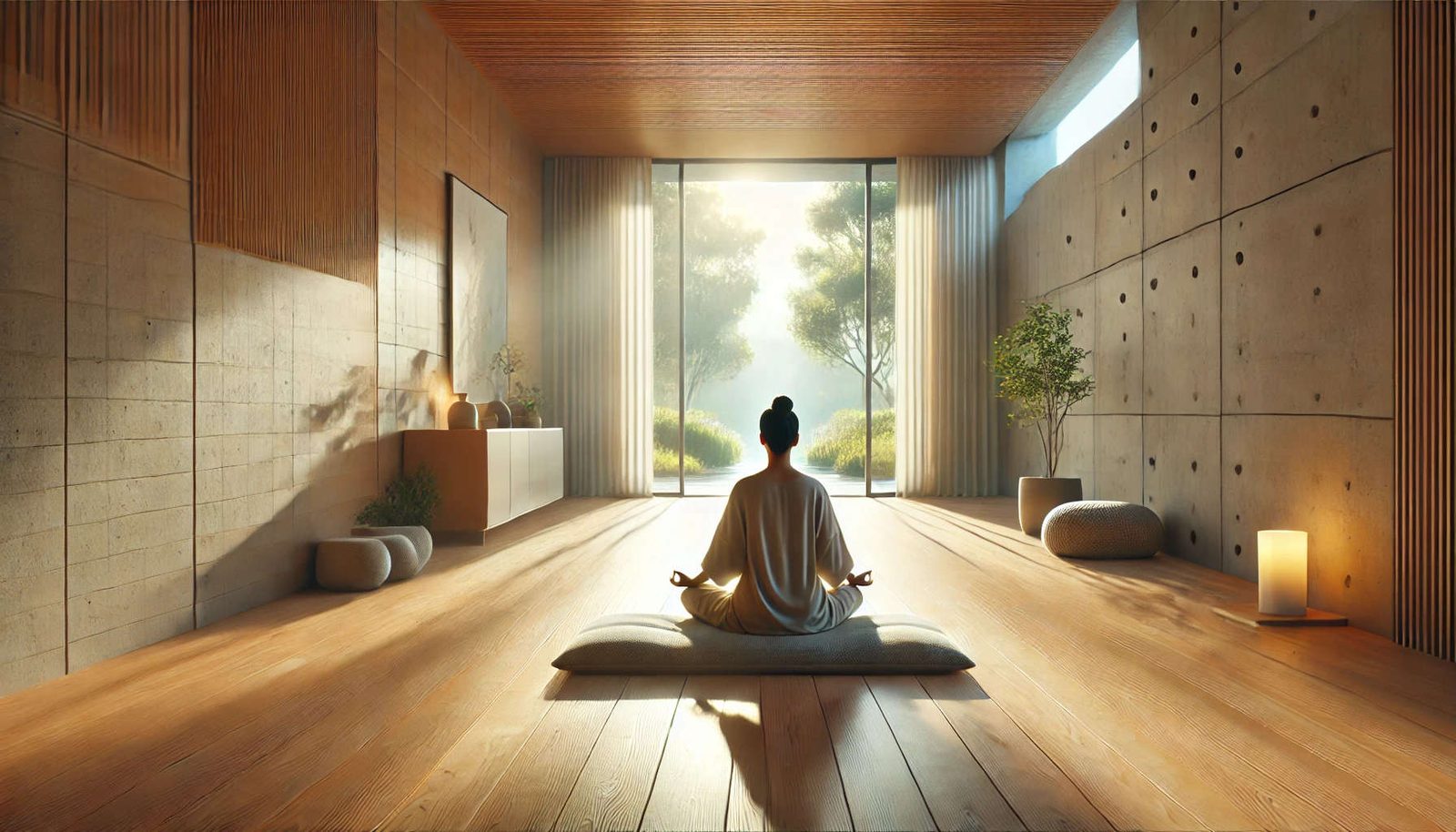
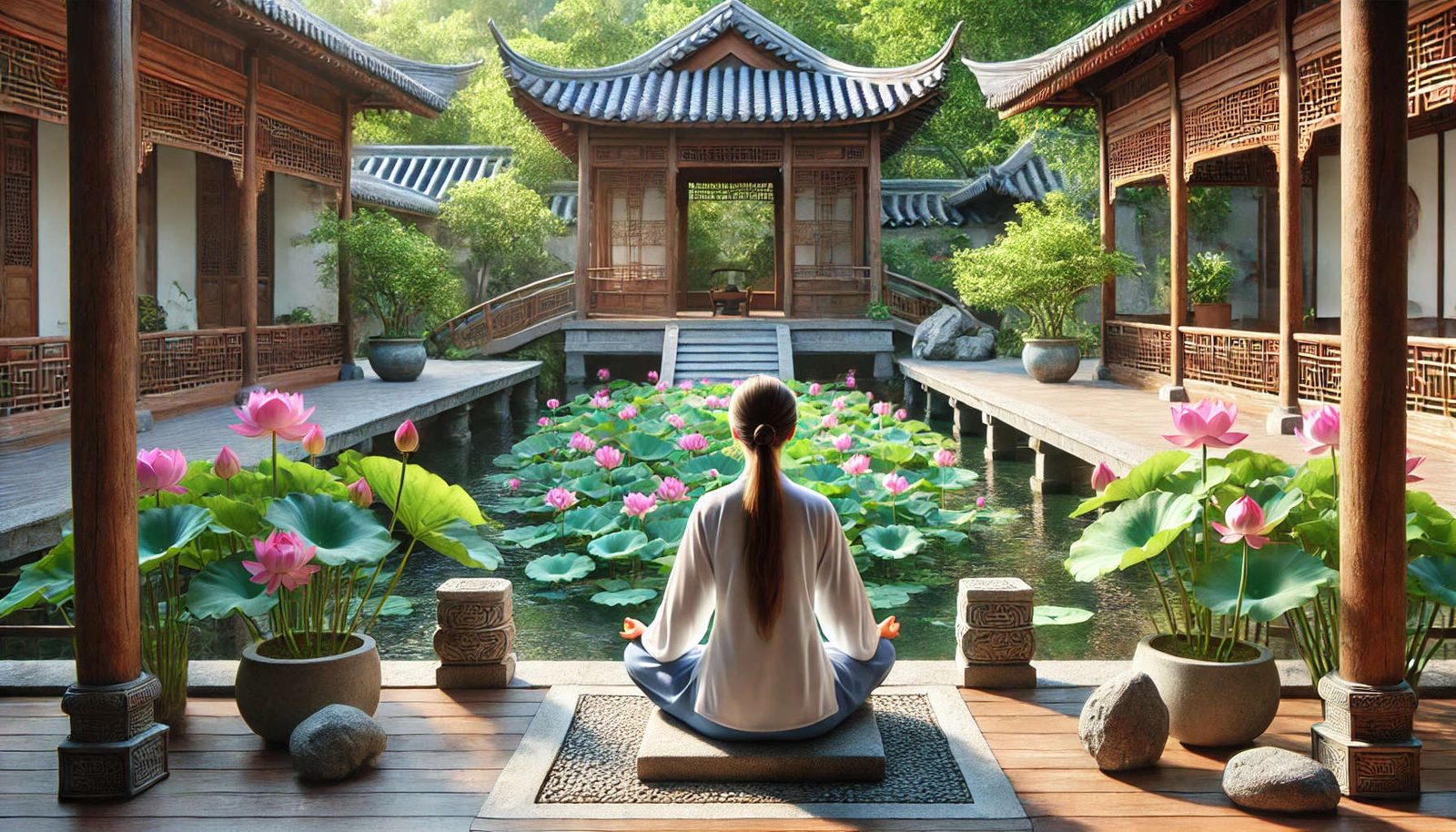
1.找到自然的坐姿
脊柱挺直
肩膀放松
下巴微收
双手自然安放
眼睛轻闭或半闭
身体一稳,呼吸就稳。
2.不控制呼吸,只是观察
观察呼吸不是“调整呼吸”,
而是让呼吸自己呼吸。
你只需要看见它。
3.从三个角度观察呼吸
(1)观察腹部的起伏
吸气——腹部鼓起
呼气——腹部下降
这是最容易觉知、最稳定的观察点。
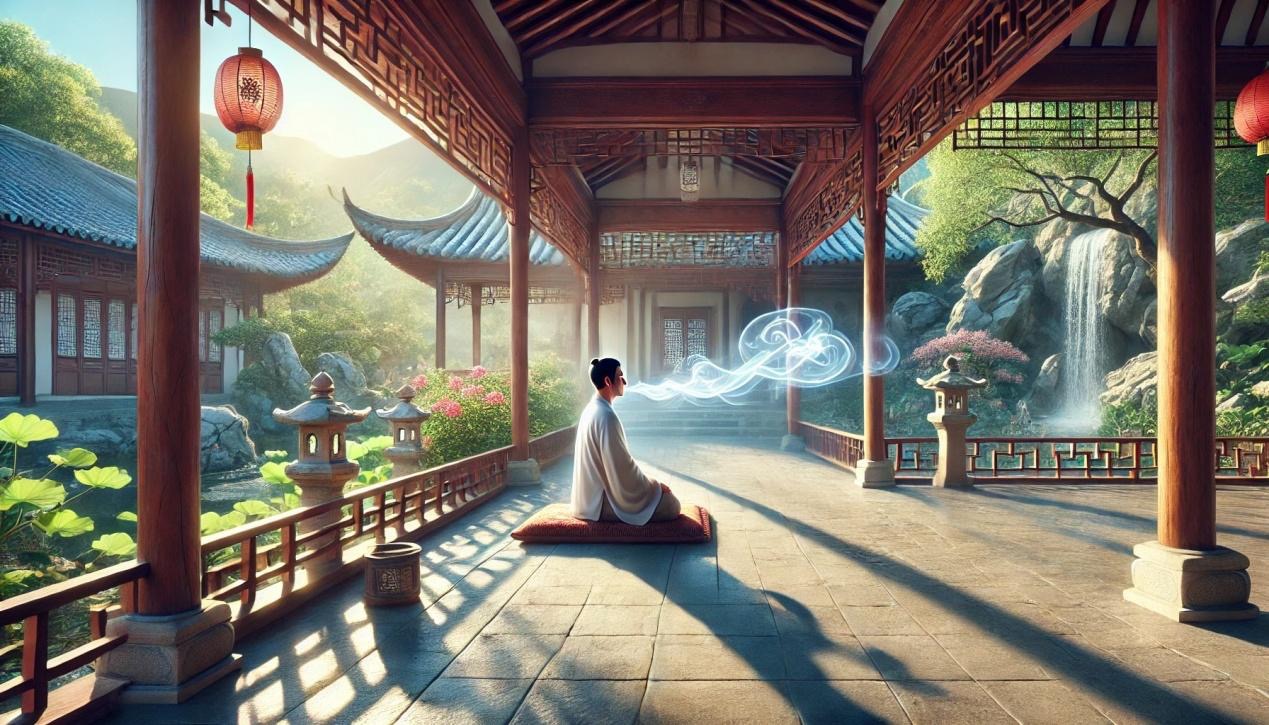
(2)观察鼻端的气流
吸气凉凉的
呼气暖暖的
细微的变化都能带来稳定的觉知。
(3)观察胸腔的扩大与回收
胸部微微扩张、放松
如海浪轻轻起落。
4.念头来了怎么办?
不要压、不要赶、不要和它打架。
只要轻轻回到呼吸。
每一次回到呼吸,都是一次修行的深化。
三、观察呼吸的常见现象
1.呼吸变得深长而轻柔
代表身体开始放松、心开始安住。
2.杂念减少,觉知变得明亮
呼吸越稳,心越清明。
3.身体出现轻安或能量流动
这是放松的自然反应,不需要追求。
4.呼吸越来越细微
到最后似乎“无有呼吸”,
但觉知依然在,那是深度安定的表现。
四、练习观察呼吸的常见误区
1.拼命控制呼吸
呼吸越人为,越无法安静。
2.想让呼吸“变得好”
追求深、长、细、柔,反而紧绷。
3.把注意力放得太用力
心越紧,越无法觉知细微呼吸。
4.念头出现时自责
真正的修行不是“没有念头”,而是念头来时能回来。
五、如何让观察呼吸更深入?
1.放松身体的重量
身体越松,呼吸越顺。
2.专注但不过度用力
如同温柔看着一朵花。
3.延长坐禅时间
时间越长,呼吸越细腻、越稳定。
4.把呼吸觉知带入生活
走路、喝水、工作前,都可以先觉知一口呼吸。
觉知越常在,心越稳固。
总结
观察呼吸,是最简单、最纯粹、最有效的禅修方法。它不需要技巧,不需要仪式,只需要允许呼吸自然地流动。当你稳稳安住于呼吸,心便落在当下,杂念自然减少,觉知自然明亮,安定自然生起。呼吸,是走向宁静与觉醒的最初一步,也是永恒的基础。
Date: 08/24/2024 08/25/2024
Location: Star River Meditation Center
Teacher: Yunquan Huang
Sitting Meditation
Observing the Breath: The Most Fundamental Practice
Among all meditation techniques, observing the breath is the simplest, most natural, and most foundational. It requires no belief, no special skill—only returning to the body’s inherent rhythm. Mastering breath awareness is mastering the doorway to meditation.
1.Why Is the Breath the Foundation of Meditation?
1.The breath is always in the present
Thoughts move to past and future,but the breath is always here.
2.The breath is innate and effortless
It requires no effort, no learning—the most stable anchor for attention.
3.Breath reflects emotional states
Tension → fast or shallow breathing
Relaxation → smooth breathing
Observing the breath is observing the mind.
4.The breath links body and mind
As the breath clears, awareness clears.
As the breath softens, the mind settles.
2.How to Practice Observing the Breath
1.Find a natural, upright posture
Straight spine
Relaxed shoulders
Chin slightly tucked
Hands resting naturally
Eyes gently closed
A stable body supports a stable breath.
2.Do not control the breath
Observation is not manipulation.
Let the breath breathe itself.
Your task is simply to notice.
3.Observe the breath from three points
(1)The rising and falling of the abdomen
Inhale—abdomen expands
Exhale—abdomen drops
The easiest and most reliable anchor.
(2)The airflow at the nostrils
Cool air in, warm air out—
subtle but vivid.
(3)The gentle expansion of the chest
Like waves rising and falling.
4.What to do when thoughts arise
Do nothing.
No fighting, no suppressing.
Gently return to the breath.
Every return strengthens the practice.
3.Common Experiences During Breath Observation
1.Breath becomes deep, soft, and smooth
A sign of physical and mental relaxation.
2.Thoughts lessen and clarity increases
Steady breath → steady mind.
3.Subtle energy or lightness
A natural effect of relaxation—not something to chase.
4.Breath becomes extremely fine
Almost as if there is “no breath”—yet awareness remains bright.
4.Common Mistakes to Avoid
1.Forcing the breath
Effort creates tension.
2.Trying to make the breath “better”
Chasing a certain quality makes the mind restless.
3.Holding attention too tightly
Too much effort reduces sensitivity.
4.Judging yourself for thinking
The goal is not zero thoughts,but the ability to return.
5.Deepening Breath Awareness
1.Relax the weight of the body
Relaxation opens the breath.
2.Stay attentive but gentle
Like softly watching a flower bloom.
3.Extend sitting duration gradually
More time allows the breath to settle naturally.
4.Bring breath awareness into daily life
Before speaking, walking, or working—take one conscious breath.
The more often awareness returns,the more stable the mind becomes.
Conclusion
Observing the breath is simple, pure, and profoundly effective.It requires no complexity—only presence with the breath.When the mind rests gently on the breath,thoughts loosen, clarity emerges,and calmness naturally arises.The breath is both the beginning and the enduring foundation of the path toward stillness and awakening.