时间:06/07/2025 06/08/2025
地点:星河禅修中心
主讲:黄云全
佛法修行
摩诃男舍身为众的菩萨行典范
释迦牟尼成佛不久,波斯匿王即位,成为恒河中游憍萨罗国的统治者。
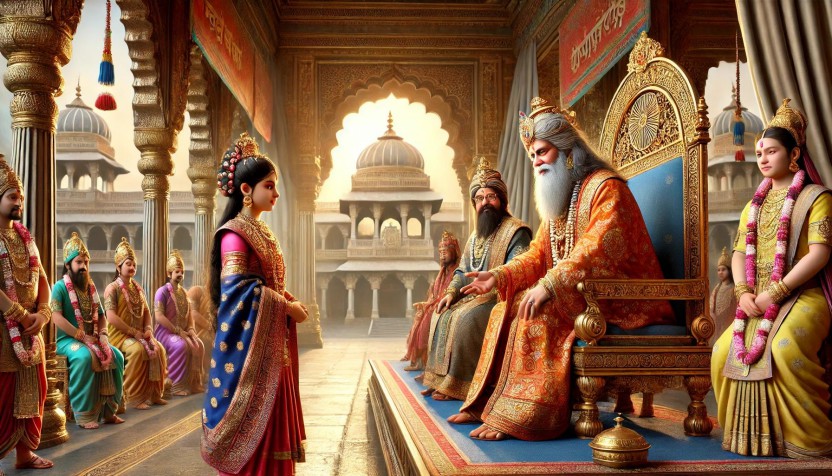
波斯匿王即位不久,即展示国威,向邻邦迦毗罗卫国强索公主为妃,否则扬言以武力相向。
释迦族的王室受到这样的胁迫,大家都哗然大怒,纷纷说:
「我们尊贵的血统,怎可和他们卑下之族通婚!」
但现实的情况是,迦毗罗卫国地小力薄,国力远不敌憍萨罗国,所以也有务实者持赞同意见。
在正、反双方意见僵持不下时,王室成员之一的摩诃男,出了一个主意,将他家中一位婢女的漂亮女儿,假冒成自己的女儿嫁了过去。
波斯匿王很满意这位从迦毗罗卫城来的妃子,立她为皇后。不久,皇后生了一个十分端庄的儿子,深得波斯匿王的宠爱。波斯匿王将这位儿子取名为毘流离,并在朝廷上正式立为太子。
流离太子八岁那年,波斯匿王送他回迦毗罗卫城,要「外祖父」摩诃男教他射箭,摩诃男找了许多年纪相仿的童子伴学,事情倒也顺利。
一天,流离太子等一群学童,来到城内一座刚落成,但尚未启用的大讲堂玩。这座讲堂建得十分庄严,释迦族人深以为荣,打算在讲堂内供养佛陀与比丘们,作为启用仪式,期以给族人带来好运。没想到流离太子一来,就坐到讲堂中央最尊贵的主座上。这一举动,让在场的释迦族人一阵错愕,继之大怒,就将流离太子拉下座来,推出讲堂,摔在门外的地上,骂道:
「你这个婢女生的孩子,天上、人间没人敢坐的中央大位,你这个婢生物竟敢抢着坐!」
流离太子从地上爬起来,告诉自己,也告诉他的同伴说:
「这些释迦族人对我如此侮辱,日后待我当上了国王,必报此仇。」
当流离太子夺得了王位,孩提时受辱的仇恨,仍然历历在目,于是起兵攻向迦毗罗卫城。
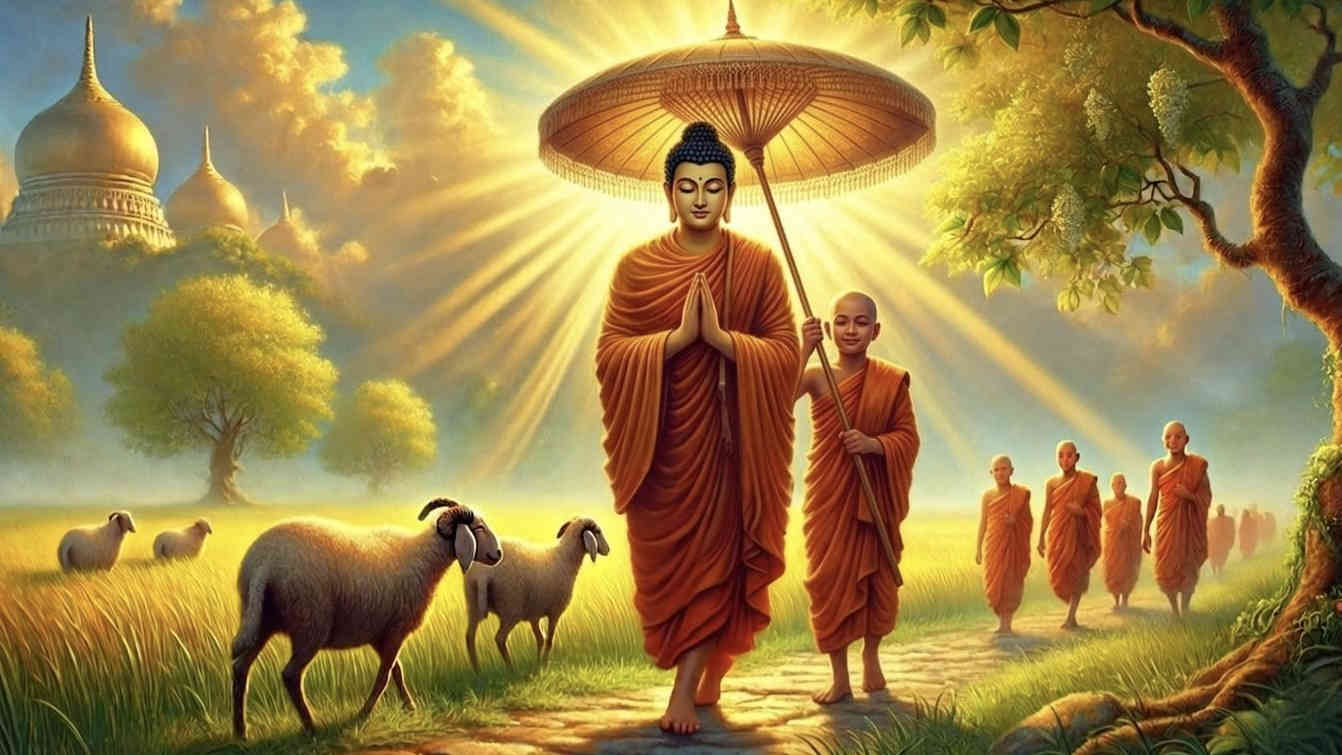
佛陀知道了,就在流离王往迦毗罗卫城必经的路上,很醒目地坐在一棵枯树下,等候流离王的到来。
流离王看到佛陀的样子,感到很奇怪,就问佛陀说:
「世尊啊!旁边有那么多枝叶茂密成荫的尼拘律树,您为何选在一棵枯树下坐呢?」
「亲族的庇荫,胜过外人啊!」佛陀回答。
流离王感受到佛陀护卫亲族的心意,碍于当时佛陀的威德,就退兵了。
不久,流离王仇恨心又起,再度起兵。
佛陀依旧坐在一棵枯树下等候,流离王不好强行,只好又半途而退了。
第三次,流离王又起兵了。这次,尊者目揵连向佛陀提议,可否以他的神通力,将流离王的大军移到他方世界去,或者将整个迦毗罗卫城移到半空中,或者在迦毗罗卫城外升起一道铁笼防护罩来阻止。
佛陀问:
「目揵连!你的神通,能移动得了释迦族过去所造的业力吗?」
「不能,世尊!」
佛陀了然于当时的局势与环境,感叹释迦族过去的业力已然成熟,难以扭转了。
迦毗罗卫城被攻破了,流离王的军队到处捕捉释迦族人,疯狂地进行集体屠杀。
这时,身为流离王的「祖父」,又是战败国国王的摩诃男,出面对流离王提出了一个请求:
「让我闭气潜到河里,在我浮出水面之前,放我的族人离开吧!只要我一浮出水面,还来不及离城的族人,就任你处置好了。」
「这样很好啊!」流离王似乎觉得这个提议够刺激。
于是,摩诃男一潜入河里,幸存的释迦族人便开始逃离出城。过了好一阵子,眼看成功逃出城的释迦族人越来越多,还是不见摩诃男浮出水面。流离王遂起了疑心,派人潜入河里一探究竟,结果发现摩诃男早就在水底气绝身亡了,只是他将自己的头发绑在水底的树根上,难怪一直浮不上来。
杀红眼的流离王,看到自己「祖父」以这样的死法拯救族人,也不禁升起一丝后悔之意:
「祖父为了他的族人死了,早知道祖父会这样,我就不会来攻城!」
但,当流离王班师回朝时,迦毗罗卫城已经毁了。
流离王回到舍卫城,发现他的异母哥哥祇陀王子,正与艺妓们歌舞作乐,不禁怒火中烧,质问为何不协助他出征。当听到祇陀王子说他自己「不忍杀生」,所以无法协助他出征时,又深受刺激,盛怒之下拔剑一挥,祇陀王子也死于流离王之手。
七天后,夜里舍卫城起了狂风暴雨,积水成灾,流离王被淹死了,往生阿鼻地狱。
Date: 06/07/2025 06/08/2025
Location: Star River Meditation Center
Teacher: Yunquan Huang
Dharma Talk
The Noble Conduct of Mahānāma: A Bodhisattva’s Self-Sacrifice for the Masses
Shortly after the Blessed One, Śākyamuni Buddha, attained supreme enlightenment, King Prasenajit ascended the throne and became sovereign of the Kośala kingdom, which lay along the middle reaches of the Gaṅgā River.
Not long after his enthronement, King Prasenajit sought to assert his dominion. He demanded from the Śākya clan of Kapilavastu a royal maiden for consort, threatening war should they refuse.
The noblemen of the Śākya clan were greatly disturbed and filled with righteous indignation, proclaiming:
”How can our exalted lineage be defiled through marriage with one of lower birth?”
Yet, the reality could not be denied: Kapilavastu was a small and weak kingdom, no match in power or arms against mighty Kośala. Thus, some among them advocated appeasement out of prudence.
As contention grew and no consensus was reached, Mahānāma, a member of the royal house, proposed a stratagem: a beautiful daughter of a servant in his household would be passed off as his own daughter and sent to Kośala in marriage.
King Prasenajit was pleased with the woman who had come from Kapilavastu and installed her as queen. In due time, she bore him a comely son who won the king’s great affection. The child was named Virūḍhaka and was formally proclaimed crown prince.
When Prince Virūḍhaka was eight years old, the king sent him to Kapilavastu to be taught archery by his maternal “grandfather,” Mahānāma. There, he was joined by other youths of similar age in study and play.
One day, the prince and his companions entered a newly constructed but not yet inaugurated grand assembly hall. This hall, a source of great pride for the Śākya clan, was to be offered to the Buddha and his Saṅgha as a sacred site, with the intent to bring auspiciousness upon the people.
Unaware of its sanctity, Prince Virūḍhaka seated himself upon the central, most exalted seat. The Śākyas who witnessed this were shocked and angered. They dragged the prince down, cast him out of the hall, and rebuked him harshly:
”You, born of a servant girl, how dare you sit upon the seat which neither gods nor men dare claim! You, base-born, have overstepped your station!”
Humiliated, the young prince rose from the ground and declared both to himself and his peers:
”These Śākyas have disgraced me thus. When I become king, I shall exact vengeance upon them!”
Years later, when he inherited the throne, this grudge—etched deep in his memory—fueled his resolve. King Virūḍhaka raised an army and marched against Kapilavastu.
The Blessed One, knowing of this impending doom, went and sat visibly beneath a withered tree on the road the army must travel.
Upon seeing him, King Virūḍhaka inquired:
”World-Honored One, why do you sit beneath this lifeless tree, when lush Nīgrodha trees abound nearby?”
The Blessed One replied:
”The shade of kinship is dearer than the shade of trees.”
Awed by the Buddha’s words and out of reverence for his virtue, the king withdrew his forces.
Yet, the hatred in his heart rekindled, and he launched a second campaign. Again, the Buddha sat beneath the same withered tree, and again, the king turned back.
But on the third attempt, the king’s wrath would not be swayed. Venerable Mahāmaudgalyāyana approached the Buddha and requested:
”May I, by means of my supernormal powers, transfer the king’s army to another realm, or lift Kapilavastu into the sky, or erect an iron fortress around the city?”
Blessed One asked:
”Maudgalyāyana, can your miraculous power overcome the ripened karma of the Śākya people?”
Mahāmaudgalyāyana answered:
”It cannot, World-Honored One.”
The Buddha, discerning that the karmic fruit of past deeds had matured and could no longer be forestalled, remained silent in sorrow.
Kapilavastu was thus overrun. The army of King Virūḍhaka committed great slaughter, hunting the Śākyas in every quarter.
At that time, Mahānāma, both the king’s “grandfather” and former ruler of the vanquished land, came forward with a desperate plea:
”Grant me this one wish: that I may dive into the river and hold my breath beneath the waters. Until I surface, allow my people to escape unharmed. Those who remain after I emerge, you may do with as you will.”
The king, moved by this daring proposal, consented.
Mahānāma thus plunged into the river. As the Śākyas began to flee the city, time passed, yet he did not emerge. The king grew suspicious and sent divers to investigate. They found Mahānāma’s lifeless body, hair tied fast to a submerged root, ensuring he would never surface again.
Even the battle-hardened King Virūḍhaka, upon seeing this self-sacrifice, was struck with remorse:
”Had I known my grandfather would give his life for his people, I would not have attacked the city.”
But it was too late—Kapilavastu lay in ruins.
Returning to Śrāvastī, King Virūḍhaka found his half-brother, Prince Jeta, reveling in dance and music with courtesans. Consumed by rage, he rebuked him:
”Why did you not assist me in this campaign?”
Jeta replied:
”I could not bear to kill. Hence, I did not join your war.”
Infuriated, the king drew his sword and slew him on the spot.
Seven days later, Śrāvastī was struck by a great storm and flood. The king was drowned and fell into the Avīci Hell.