时间:11/16/2024 11/17/2024
地点:星河禅修中心
主讲:黄云全
佛法修行
惒破错误的恶业报应论
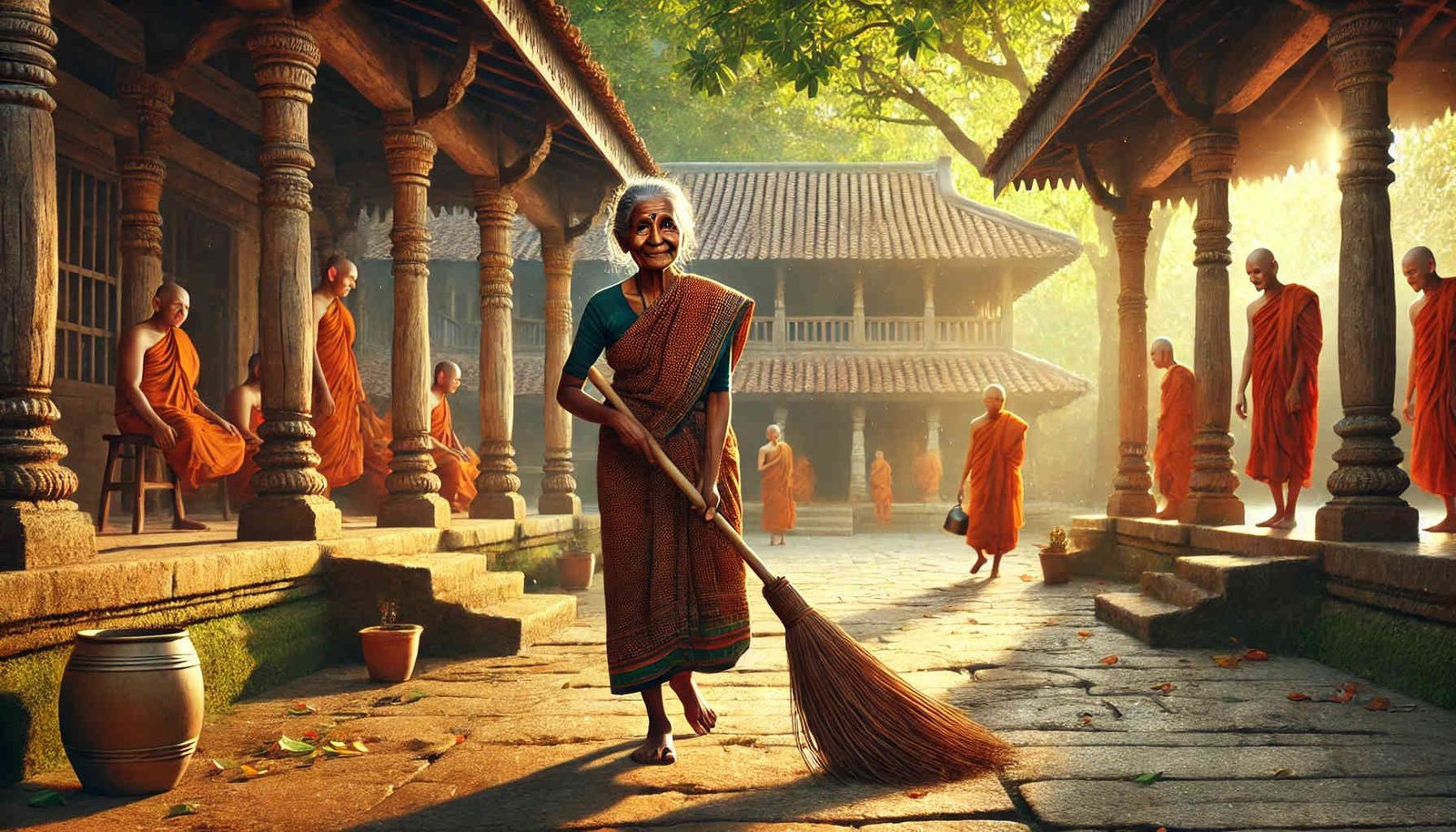
有一次,佛陀来到故乡迦毗罗卫城游化,与随从的弟子们一同住在城南的尼拘律园精舍中。
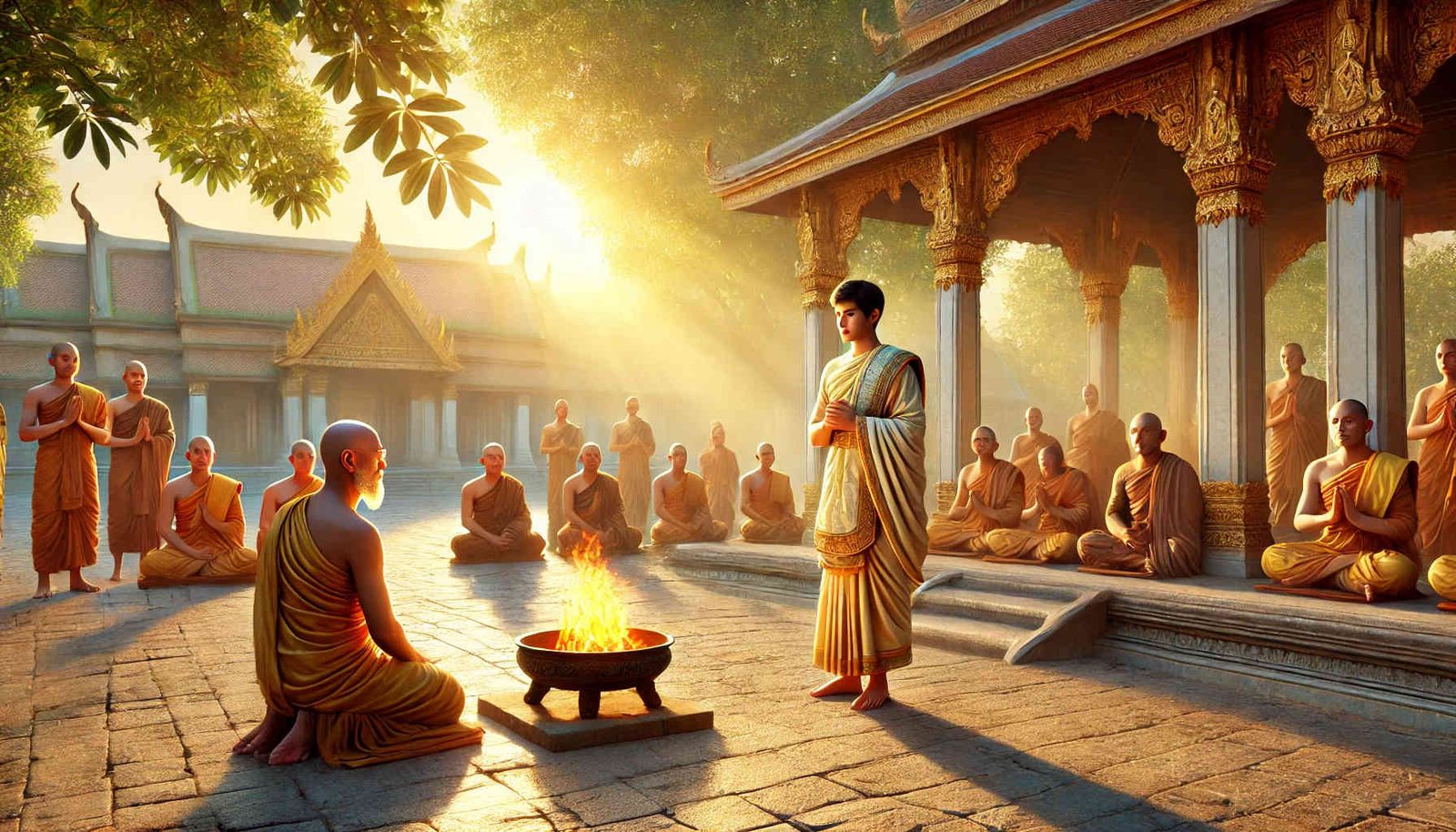
这天午后,尼拘律园来了一位外道尼干子的门徒,名叫惒破的释迦族人,在精舍内闲游,正好在讲堂遇见了因故与比丘们集会的尊者大目犍连。双方一番问讯寒暄后,尊者大目犍连起了一个话题:
「惒破!如果有比丘善加守护自己的言行举止、起心动念,也远离了贪爱无明,亦即明已生起,您认为这样的比丘,还会有杂染往生来世吗?」
「大德!依我之见,不论这一生的修行成就如何,任何人如果还留有前世尚未报应的不善业,那么,还会因此而往生来世。」
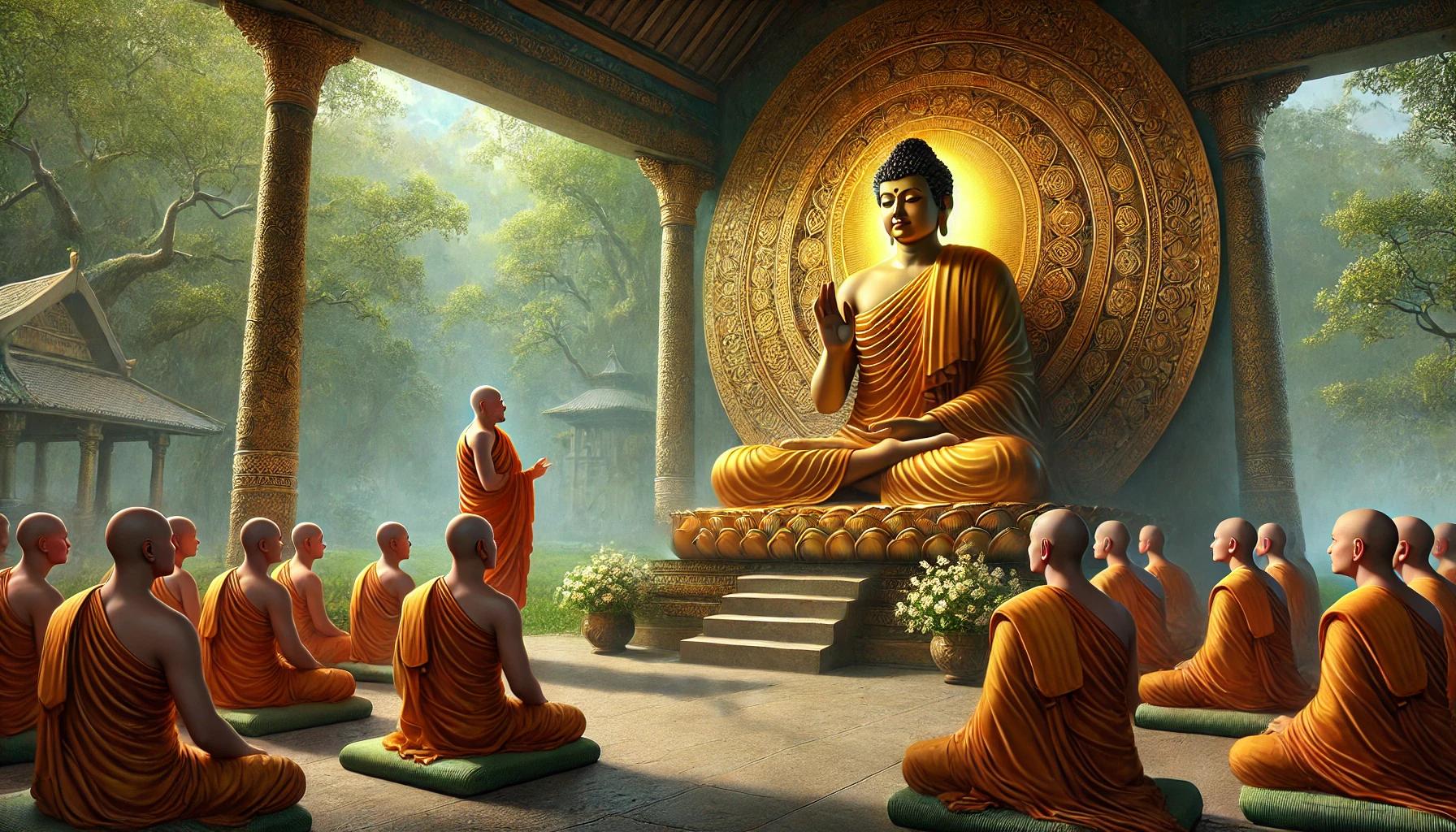
这时,佛陀正好结束当日午后的禅坐,前来讲堂。大家见到佛陀来了,都起来迎接,谈话因而暂时中断。待佛陀询问他们谈话的内容后,就接下了这个话题。不过,由于惒破是尼干子外道的学生,有着不同的思想观念,所以,佛陀要求惒破在探讨问题时,要以该质疑的就质疑,该澄清的就澄清,合理的就接受的态度进行。惒破欣然同意了,于是,佛陀开始问:
「惒破!一切由言行举止、起心动念、贪爱无明所发动的杂染执着与苦迫烦热,如果没有言行举止、起心动念、贪爱无明的发动,就不存在了,不是吗?不再从言行举止、起心动念与贪爱无明发动新的业力,旧有的业力习性,也都在明触的正觉下消除不起,这是智者止息烦恼的方式。惒破!这样的人,您认为还会有引发来生的杂染因缘吗?」
「大德!这样是不会的。」惒破回答。
「惒破!这样心正解脱的比丘,是一直安住在六善住处的。哪六处呢?就是在六根接触境界;亦即在眼见、耳闻、鼻嗅、舌尝、身触、意念时,都能保持在不喜不忧、正念正知、不执着的明触状态。这样的解脱者,无明已尽,明已生起,自己清清楚楚地明白,这是最后身了,身坏命终后,不会再有下一生的接续了,当下一切觉受到此止息,成为清凉;究竟彻底地冷却、寂静了。
惒破!这就像树的影子,是因为树的存在才会有的。如果有人以利斧把树根全部砍断,连根挖起,分段切开,再削成细木片曝晒风干,然后丢到火里烧成灰烬,最后灰烬或随风飘散,或倒入水中。惒破!你认为如何?到了这个时候,树影还存在吗?树影因树而有,树被砍了、切了,烧成灰烬,那树影从此就断绝了其存在的因缘,寂灭不生了是吗?」
这时,惒破顿时豁然开朗,才知道自己过去对尼干子的恭敬信从,是多么的无知,不禁赞叹佛陀是明目人,像是黑暗中的明灯,迷路人的指引者,而愿意终生皈依三宝,为在家佛弟子。
Date: 11/16/2024 11/17/2024
Location: Star River Meditation Center
Teacher: Yunquan Huang
Dharma Talk
Hopo’s Incorrect Theory of Retribution for Evil Karma
Once, the Buddha visited his hometown of Kapilavastu and stayed with his disciples in the Nigrodha Grove Monastery south of the city.
One afternoon, a follower of the heretical teacher Nigantha, a Shakya named Hopo, came to the Nigrodha Grove Monastery for a stroll. In the lecture hall, he happened to meet the Venerable Mahamaudgalyayana, who was gathered with the bhikkhus for a meeting. After a greeting, Venerable Mahamaudgalyayana initiated a discussion:
“Hopo! If a bhikkhu carefully guards his words and actions, his thoughts, and is free from greed and ignorance—that is, if enlightenment has arisen in him—do you think such a bhikkhu would still be reborn with impurities in a future life?”
“Venerable One! In my view, regardless of the achievements in this life, anyone who still has unwholesome karma from a previous life that has not yet been repaid will still be reborn in a future life due to that karma.”
At that moment, the Buddha finished his afternoon meditation and came to the lecture hall. Everyone rose to greet him, temporarily pausing the conversation. After the Buddha inquired about their discussion, he picked up the topic. Since Hopo was a student of the heretical teacher Nigantha, with differing views, the Buddha asked Hopo to approach the discussion with a questioning mind, to clarify what needed clarification, and to accept what was reasonable. Hopo agreed readily, and the Buddha began:
“Hopo! All forms of attachment and suffering fueled by actions, thoughts, greed, and ignorance would not exist without the initiation by these actions, thoughts, greed, and ignorance. When one no longer creates new karmic actions through words, actions, thoughts, greed, or ignorance, and past karmic tendencies are extinguished under the clear awareness of enlightenment, this is the way a wise person ceases to suffer. Hopo! Do you think such a person would still create causes for rebirth with impurities?”
“Venerable One! No, they would not,” Hopo replied.
“Hopo! Such a bhikkhu with a mind truly liberated dwells continually in the six pure abodes. What are these six abodes? They are the six sense contacts: seeing, hearing, smelling, tasting, touching, and thinking. In these experiences, one remains free from joy or sorrow, with clear mindfulness and detachment. For such a liberated person, ignorance has ended, enlightenment has arisen, and they clearly understand that this is their last body. After the death of this body, there will be no further continuation in a future life. At that moment, all experiences come to a stop, becoming cool; ultimately, there is complete cooling and peace.
“Hopo! This is like the shadow of a tree, which exists only because of the tree. If someone were to chop the tree’s roots with an ax, uproot it, cut it into pieces, shred it, dry it, and burn it to ashes, finally scattering the ashes in the wind or throwing them into water—what do you think? Would the tree’s shadow still exist at that time? The shadow exists because of the tree, and when the tree is chopped down, cut, and burned to ashes, the existence of the shadow is utterly extinguished. Is that correct?”
At that moment, Hopo suddenly understood, realizing how ignorant he had been in his devotion to Nigantha. He praised the Buddha as an enlightened one, a beacon in the darkness, a guide for the lost, and expressed his desire to take refuge in the Three Jewels (the Buddha, the Dharma, and the Sangha) as a lay disciple for life.