时间:08/17/2024 08/18/2024
地点:星河禅修中心
主讲:黄云全
佛法修行
佛陀的沉默回应
有一次,一位婆蹉族的出家外道游行沙门,到摩揭陀国首都王舍城北方的迦兰陀竹园精舍拜见佛陀,问佛陀说:
「瞿昙!有『我』吗?」
佛陀什么话也不回他,只以沉默回应。
「那么,瞿昙!没有『我』吗?」婆蹉族出家外道继续追问。
佛陀还是以沉默回应。
这样再问、三问,佛陀都是以沉默回应。
那位婆蹉族出家外道心想,他已经连续问了三次佛陀都不回答,继续留下来也没意思,便起身离开了。
这时,站在佛陀后面担任侍者的尊者阿难,感到很不解地问佛陀:
「世尊!为什么您都不回答他呢?这样岂不是让他误以为您无法回答他的问题,而成为邪见吗?」
佛陀回答尊者阿难说:
「如果我回答他『有我』,这不是和那些执于『常见』的沙门、婆罗门一样了吗?岂能和我『一切法无我』的证知一致?
如果我回答他『无我』,这不是和那些执于『断见』的沙门、婆罗门一样了吗?徒增那位已经习惯执于『有我』的婆蹉族出家外道的困惑,心想:先前我所赖以理解的『有我』都不存在了。
之前执于『有我』常见的人,听了『无我』以后,如果还在『有我』的旧思惟中,以为有『我』可以断除,这样,又陷入了断见。如来超离了常见与断见两边的思惟范围,站在正中而不偏的如实立场说法,而说:一切法都会败坏变化,所以是无常;败坏变化中又有其前后的接续性,所以是不断,一切都在不常不断中。
一切的生起与存在,都有其因缘条件,如果因缘条件不存在了,就要败坏消逝了,所以,由于无明而有行,由于行而有识,由于识而有名色,由于名色而有六入处,由于六入处而有触,由于触而有受,由于受而有爱,由于爱而有取,由于取而有有,由于有而有生,由于生而有忧悲恼苦、纯大苦的聚集。
反之,结果的灭除,也有其原因:当无明灭尽无余,行就灭了;行灭了,识就随着灭了;识灭了,名色就随着灭了;名色灭了,六入处就随着灭了;六入处灭了,触就随着灭了;触灭了,受就随着灭了;受灭了,爱就随着灭了,爱灭了,取就随着灭了;取灭了,有就随着灭了;有灭了,生就随着灭了,生灭了,所有的忧悲恼苦、纯大苦的聚集就随着灭了。」
Date: 08/17/2024 08/18/2024
Location: Star River Meditation Center
Teacher: Yunquan Huang
Dharma Talk
The Buddha’s Silent Response
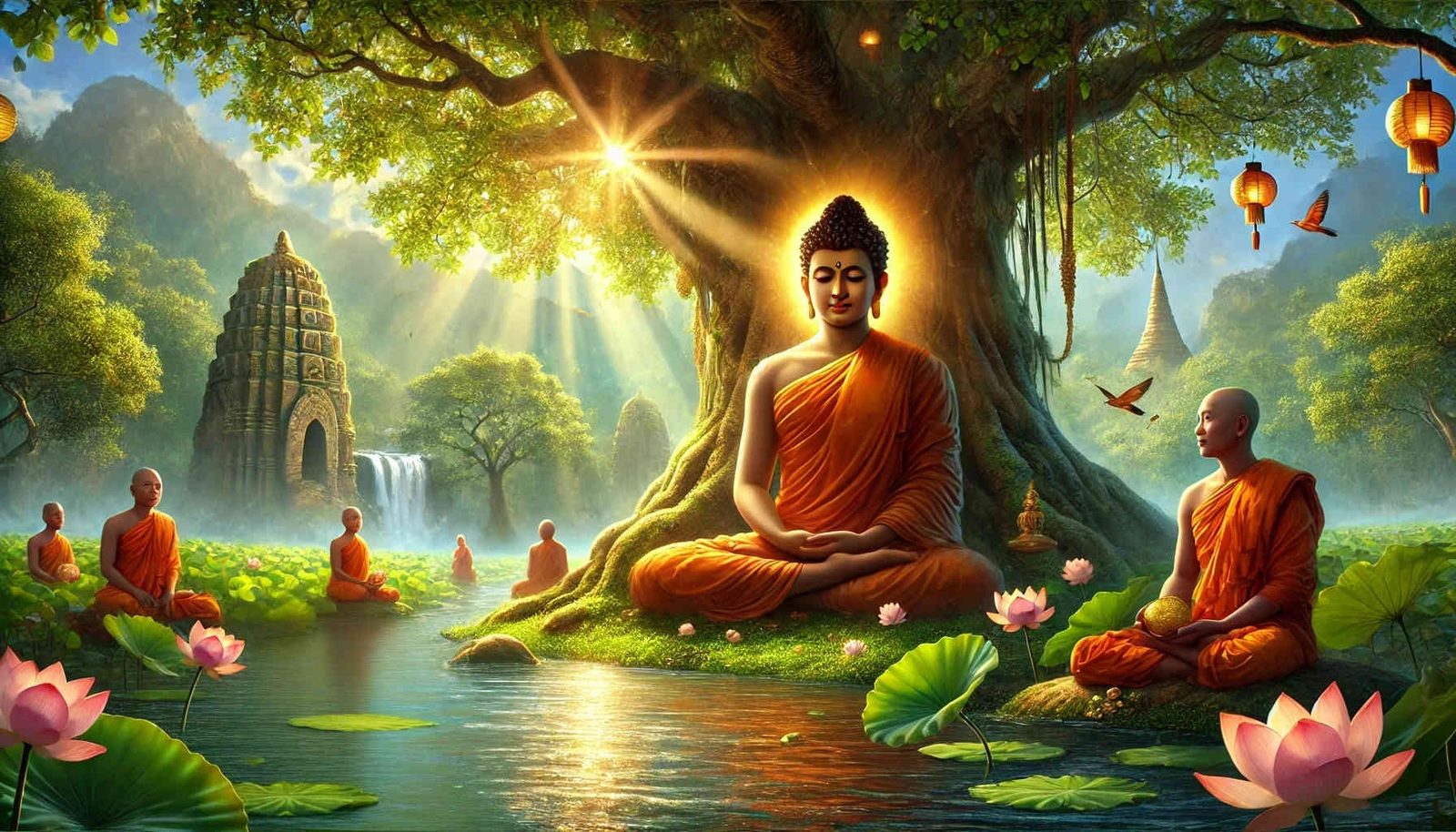
Once, a mendicant from the Vajji clan who was following a heterodox path visited the Bamboo Grove Monastery at Veluvana, north of the capital city of Rajagaha in the Magadha kingdom, to see the Buddha.
He asked the Buddha, “Gotama! Is there a ‘self’?”
The Buddha did not reply and responded with silence.
”Then, Gotama! Is there no ‘self’?” the mendicant from the Vajji clan continued to ask.
The Buddha still responded with silence.
He asked a second and third time, but the Buddha remained silent each time.
Thinking that there was no point in staying since the Buddha did not answer his questions, the mendicant got up and left.
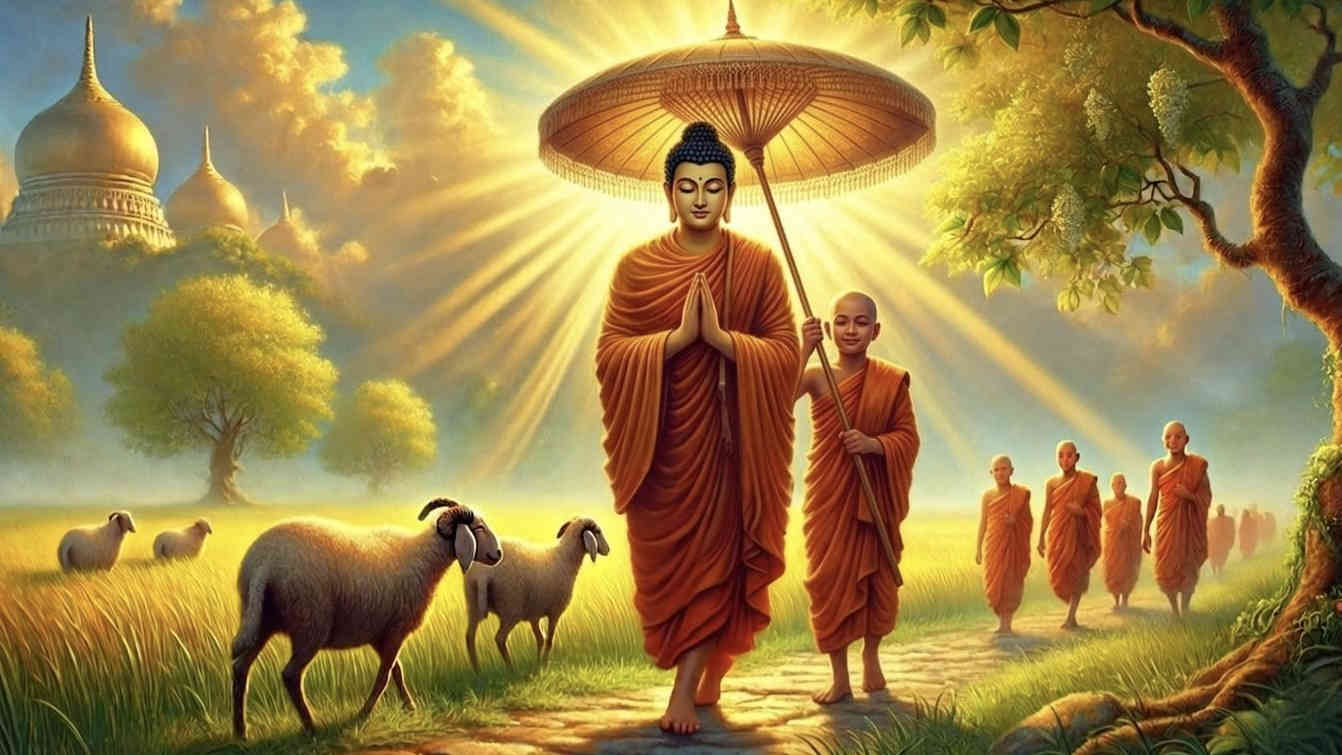
At this moment, Venerable Ananda, who was standing behind the Buddha serving as his attendant, felt puzzled and asked the Buddha, “World-Honored One! Why didn’t you answer him? Wouldn’t he misunderstand and think you couldn’t answer his questions, thereby developing wrong views?”
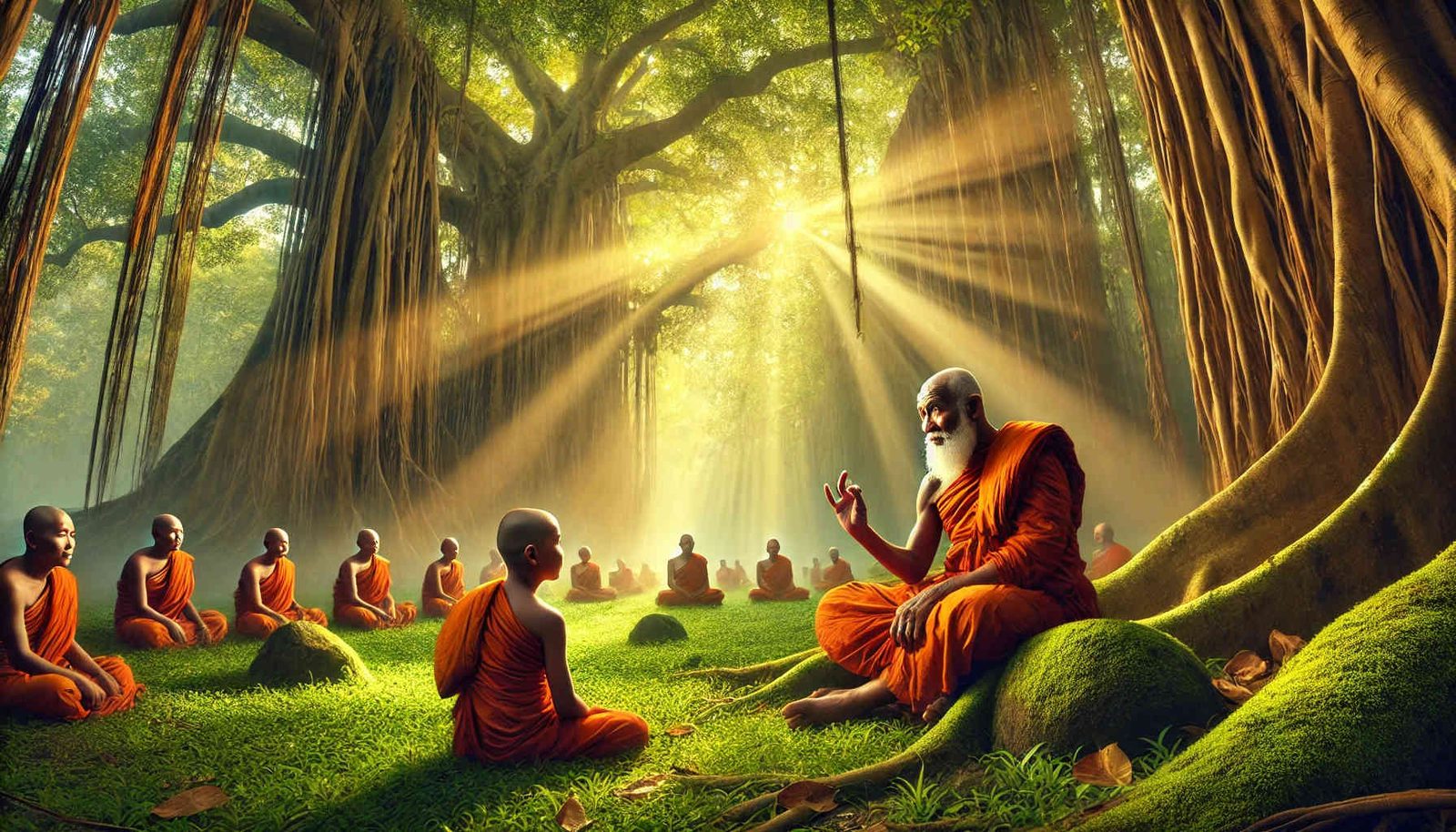
The Buddha replied to Venerable Ananda, “If I had answered ‘there is a self,’ wouldn’t that align me with those ascetics and Brahmins who hold eternalist views? Wouldn’t this contradict my realization that ‘all phenomena are non-self’?
”If I had answered ‘there is no self,’ wouldn’t that align me with those ascetics and Brahmins who hold nihilist views? This would only increase the confusion of the mendicant from the Vajji clan, who is accustomed to the idea of a ‘self,’ thinking that the ‘self’ he relied on to understand things no longer exists.
”Those who previously adhered to the eternalist view and then hear about ‘non-self’ might still be caught in their old way of thinking, believing that the ‘self’ can be eradicated. This would lead them into nihilist views. The Tathagata transcends the dualistic thinking of eternalism and nihilism, standing on the middle path and speaking from a truthful and unbiased perspective. I teach that all phenomena are impermanent because they decay and change. Despite this decay and change, there is continuity, so nothing is completely annihilated. Everything exists in a state of impermanence and continuity.
”All arising and existence depend on conditions. When those conditions cease to exist, the phenomena also decay and disappear. Due to ignorance, there are volitional actions; due to volitional actions, there is consciousness; due to consciousness, there is name and form; due to name and form, there are the six sense bases; due to the six sense bases, there is contact; due to contact, there is sensation; due to sensation, there is craving; due to craving, there is clinging; due to clinging, there is becoming; due to becoming, there is birth; and due to birth, there are sorrow, lamentation, pain, grief, and despair—a whole mass of suffering.
Conversely, the cessation of these results also has its cause: when ignorance is completely extinguished, volitional actions cease; when volitional actions cease, consciousness ceases; when consciousness ceases, name and form cease; when name and form cease, the six sense bases cease; when the six sense bases cease, contact ceases; when contact ceases, sensation ceases; when sensation ceases, craving ceases; when craving ceases, clinging ceases; when clinging ceases, becoming ceases; when becoming ceases, birth ceases; when birth ceases, all the sorrows, lamentations, pains, griefs, and despairs—the whole mass of suffering—cease.”