时间:05/11/2024 05/12/2024
地点:星河禅修中心
主讲:黄云全
佛法修行
身苦心不苦
有一次,佛陀住在摩揭陀国王舍城郊外的一处山中,脚被飞来的碎石片刺伤流血,引起生理上极大的疼痛。但佛陀心中持续保持正知正念,默默地承受身体的痛苦,不起烦恼。
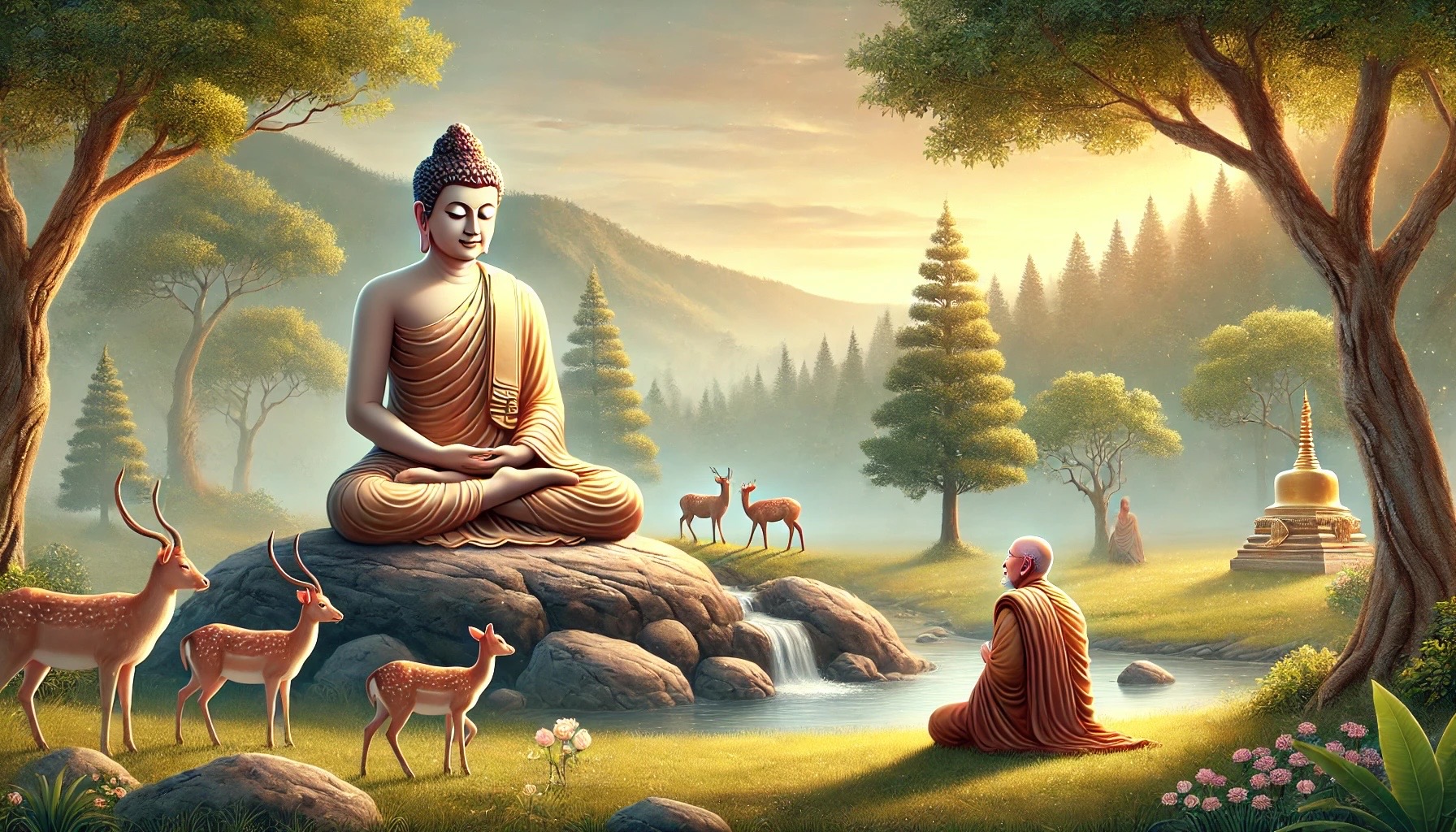
有一次,佛陀游化到恒河下游北岸的跋耆国,住在设首婆罗山一处有野鹿出没的树林中。
那天,在佛陀的住处,来了一位一百二十岁的老居士,名叫那拘罗。老居士向佛陀顶礼问讯后,对佛陀说:
「世尊!我年纪大了,常常为衰弱与多病的身体所苦,行动也很吃力的,每次要来见世尊与几位我一向敬重的善知识比丘,都很勉强,所以,每一次能见到世尊,对我来说都很不容易呢!但愿世尊为我说法,让我长久获益,永远安乐。」
「善哉!老居士!正如你所说的,上了年纪的人,身体必然多病痛,哪还能期盼有个健康强壮的身体可以依靠呢?除非是个愚痴的人,否则,这是大家都知道的道理。所以,老居士!你应当这样学:我的身体虽然病了,但是我的心不病,老居士!你应当这样学!」
那拘罗老居士听了佛陀的教导,觉得很欢喜,礼谢了佛陀后就离开了。
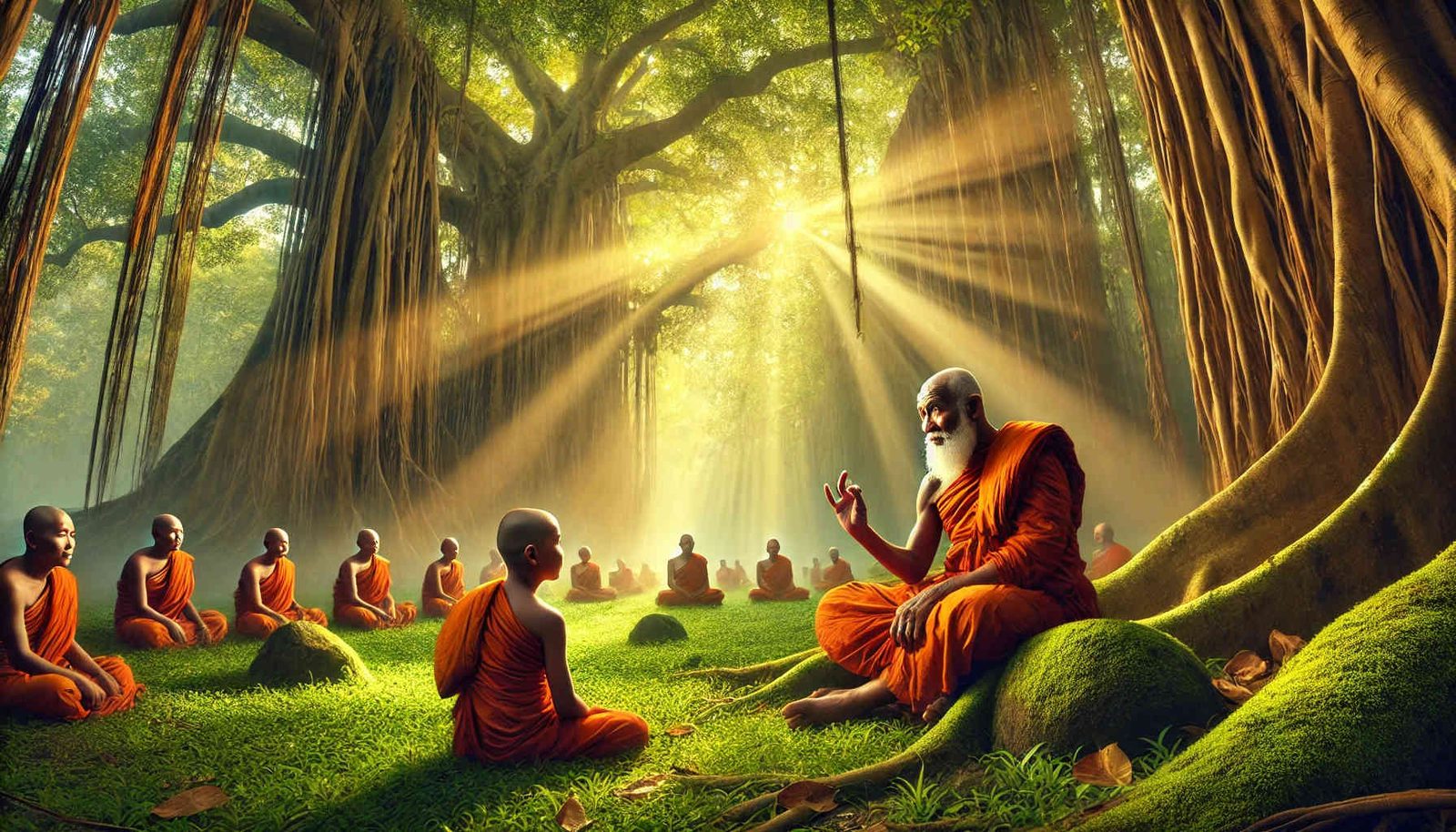
那时,尊者舍利弗,正坐在离佛陀不远处的树下。
那拘罗老居士辞别佛陀,愉快地来见尊者舍利弗。
尊者舍利弗看见泛出愉悦神态的那拘罗老居士,就问他说:
「老居士!你今天容光焕发,神情愉悦,莫非在世尊那儿听到什么深妙的法吗?」
「怎么能不容光焕发呢,尊者舍利弗!刚刚世尊才以甘露法,灌溉滋润我的身心呢!」
「世尊用了什么甘露法,灌溉滋润你呢?老居士!」
于是,那拘罗老居士就将佛陀的教导转述了一遍。
尊者舍利弗听了之后,问老居士说:
「那拘罗!你何不继续问佛陀,什么情况是心随着身体生病而生病?什么情况是心不随着身体生病而生病?」
「大德!我没有能力深入细问,但愿尊者为我详加解说。」
「善哉!老居士!请你仔细听,我来为你说明:
什么情况是心随着身体生病而生病?
不曾听闻正法的愚痴凡夫,对自己色身的生起、消失、味着、祸患、出离不能如实知;不如实知的缘故,对色身产生了贪爱乐着,以致于以为这是生命主体的『我』,要不,就以色身是『我』所有的而执着它。所以,当色身发生变化败坏了,心就随着受到牵动,而生起忧、悲、恼、苦、恐怖、顾念、不舍、障碍了。
同样的道理,对自己的感受、想象、意志、识别等也一样,一旦以为其中哪一个是生命主体的『我』,或者为『我』所拥有,或者在『我』之中,或者其中有『我』,只要以为生命中有一个不变的『我』为生命的主体,其结果就必然是:色身有苦时,心也跟着苦。
什么情况是心不随着身体生病而生病?
多听闻正法的圣者弟子,对色身的生起、消失、味着、祸患、出离如实了知;如实了知的缘故,对色身不会贪爱乐着,不会以为这色身是我生命的主体『我』,也不会以为生命中另有主体,色身是属于那个主体『我』的,所以,当色身发生变化败坏了,心不会随着受到牵动,就不会有忧、悲、恼、苦、恐怖、顾念、不舍、障碍了。
同样的道理,对感受、想象、意志、识别等生命的其它组成也一样,不认为其中有生命不变的主体『我』,所以,当色身有苦时,心不会跟着苦。」
听了尊者舍利弗这一番解说,那拘罗老居士有深彻的理解与体悟,当下证得法眼净:见法、得法、知法、入法,不再需要靠别人而能解决自己的疑惑,于正法中,心不再畏惧。就从座位上站起来,整理好衣服,恭敬地合掌,对尊者舍利弗说:
「大德!我已经证悟,得到超越与度脱。现在,我皈依佛、法、僧众,为佛弟子,请当我的见证人。从现在起,我终身皈依三宝。」
Date: 05/11/2024 05/12/2024
Location: Star River Meditation Center
Teacher: Yunquan Huang
Dharma Talk
Suffering in Body, Not in Mind
Once, the Buddha was residing in a mountain outside the city of Shravasti, in the kingdom of Magadha, when his foot was injured and bled due to a flying piece of rock, causing significant physical pain. Despite this, the Buddha maintained mindfulness and bore the physical pain silently without any mental disturbance.
On another occasion, the Buddha traveled to the kingdom of Vaisali, located on the northern bank of the Ganges River, and stayed in a forest where wild deer roamed, at Vulture Peak.
One day, a 120-year-old lay follower named Nakula visited the Buddha at his place. After paying respects, Nakula expressed to the Buddha, “Lord, I am old and frequently suffer from the frailty and illnesses of my body, which makes movement difficult for me. It is always a challenge to come and see you and the few monks I always respect. Therefore, each opportunity to see you is not easy for me! I hope, Lord, you can teach me the Dharma for my long-term benefit and eternal peace.”
”Good, good, lay follower,” the Buddha replied, “As you have said, as people age, their bodies naturally become prone to illness and pain. How could one expect to rely on a healthy and strong body? Only a fool would think otherwise. Therefore, lay follower, you should learn this: though my body may be ill, my mind is not ill. Lay follower, you should learn this!”
Nakula, the lay follower, was delighted by the Buddha’s teachings, thanked him, and left.
At that time, the Venerable Shariputra was sitting under a tree not far from the Buddha.
Nakula, feeling joyful, went to see Venerable Shariputra.
Seeing Nakula’s happy demeanor, Shariputra asked, “Lay follower, you look radiant and joyful today. Did you hear some profound Dharma from the Lord?”
”How could I not be radiant, Venerable Shariputra! Just now, the Lord nourished my body and mind with the nectar of the Dharma!”
”What nectar of the Dharma did the Lord use to nourish you?” asked Shariputra.
Nakula then recounted the Buddha’s teachings to Shariputra.
After listening, Shariputra asked, “Nakula, why didn’t you ask the Buddha under what conditions does the mind become ill along with the body, and under what conditions does it not?”
”Venerable, I lack the capacity for such detailed inquiry, but I wish you would explain it to me.”
”Good, lay follower! Listen carefully, and I will explain:
Under what conditions does the mind become ill along with the body?
The ignorant layperson, who has not heard the true Dharma, does not understand the arising, ceasing, attachment, misfortune, and liberation of the physical body. Because of this lack of understanding, they develop attachment and delight in the physical body, leading to the mistaken belief that it constitutes the ‘self’ or belongs to the ‘self.’ Thus, when the physical body deteriorates, the mind is disturbed, leading to worry, sorrow, annoyance, suffering, fear, concern, attachment, and obstruction.
The same principle applies to feelings, perceptions, intentions, and consciousness. Once any of these is considered to constitute the ‘self,’ belong to the ‘self,’ be within the ‘self,’ or contain the ‘self,’ believing there is an unchanging ‘self’ as the essence of life, the result is inevitably that when the body suffers, the mind suffers as well.
Under what conditions does the mind not become ill along with the body?
The holy disciple who has heard much of the true Dharma truly understands the arising, ceasing, attachment, misfortune, and liberation of the physical body. Because of this true understanding, they do not develop attachment or delight in the physical body, nor do they believe in a separate ‘self’ to which the body belongs. Therefore, when the physical body deteriorates, the mind is not disturbed, and there is no worry, sorrow, annoyance, suffering, fear, concern, attachment, or obstruction.
The same principle applies to the other aggregates of life: feelings, perceptions, intentions, and consciousness. Not considering any as an unchanging ‘self,’ the mind does not suffer when the body suffers.”
After listening to the detailed explanation of Venerable Shariputra, Nakula, the old lay follower, gained a profound understanding and realization. He attained the pure Dharma eye: seeing the Dharma, attaining the Dharma, knowing the Dharma, entering the Dharma. He no longer needed to rely on others to resolve his doubts and was fearless in the true Dharma. He stood up from his seat, straightened his clothes, respectfully joined his palms together, and said to Venerable Shariputra:
“Venerable! I have now realized and attained transcendence and liberation. From this moment on, I take refuge in the Buddha, the Dharma, and the Sangha, becoming a disciple of the Buddha. Please be my witness. From now on, I devote myself to the Three Jewels for the rest of my life.”