时间:11/07/2026 11/08/2026
地点:星河禅修中心
主讲:陈双双
斋食养生
芥菜
芥菜:富含膳食纤维与抗氧化物的营养绿叶蔬菜
一、芥菜是什么?
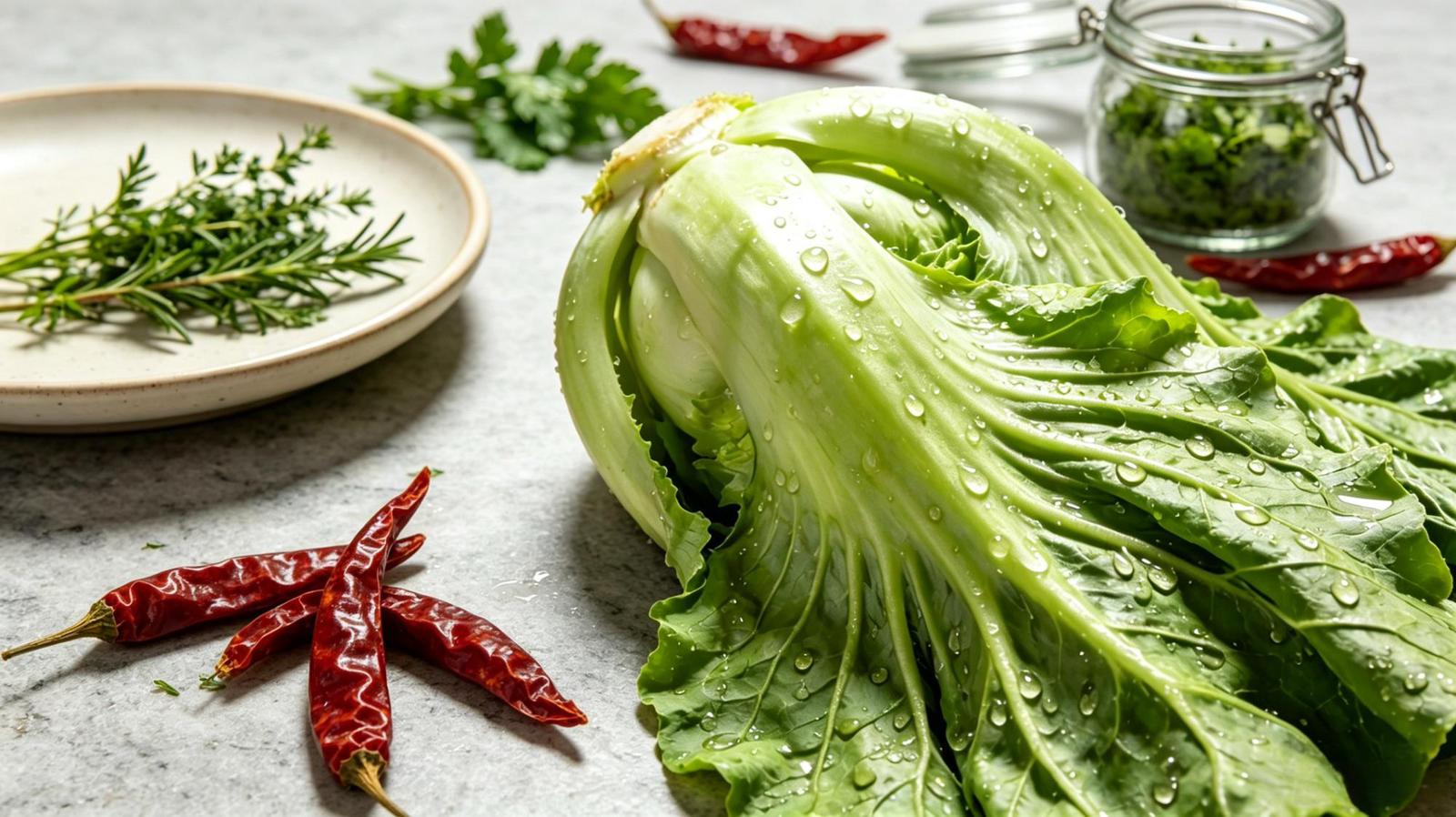
芥菜(学名 Brassica juncea)是十字花科蔬菜,因其独特的辛香味而得名。芥菜的叶片厚实、颜色翠绿,口感脆嫩微苦,是传统绿叶蔬菜之一。除了作为日常蔬菜食用外,芥菜还常被腌制成酸菜或雪里红。
二、芥菜的营养价值
芥菜富含维生素、矿物质和膳食纤维,是低热量高营养的优质蔬菜。主要营养成分包括:
1.维生素C:增强免疫力,促进胶原蛋白合成。
2.β-胡萝卜素:保护视力,维护皮肤健康。
3.钾:帮助调节体液平衡,维持正常血压。
4.膳食纤维:促进肠道蠕动,帮助消化。
5.叶酸:有助于血细胞生成,支持心血管健康。
三、芥菜的健康益处
1.促进消化:高膳食纤维有助于增强肠道蠕动,预防便秘。
2.增强免疫力:维生素C和多种抗氧化成分,有助于提升身体防御力。
3.清热解毒:传统上认为芥菜性温,有助于祛湿排毒。
4.保护视力与皮肤:β-胡萝卜素有助于维护眼睛健康,并延缓皮肤衰老。
5.辅助调节血压:钾元素有助于平衡体内钠含量,维持血压稳定。
四、芥菜的食用方式
1.清炒芥菜:简单炒制,保留清香脆嫩口感。
2.芥菜煮汤:与豆腐或菌菇同煮,清爽鲜美。
3.芥菜拌杂粮饭:切碎拌入糙米饭或藜麦饭,增加膳食纤维。
4.腌制芥菜:做成传统雪里红或酸芥菜,口感独特。
5.芥菜豆腐羹:切碎与嫩豆腐同炖,温润可口。
五、关于芥菜的小知识
如何挑选优质芥菜?
选择叶片肥厚、颜色翠绿、无黄叶和腐烂的芥菜。
芥菜为什么带点苦味?
苦味来自其特殊的芥子油成分,适量食用对健康有益。
芥菜适合天天吃吗?
芥菜营养丰富,但含有草酸,建议与其他蔬菜搭配,每周2-3次为宜。
总结
芥菜是一种富含膳食纤维、维生素C、β-胡萝卜素和钾的营养蔬菜。适量食用芥菜有助于促进消化、增强免疫力、清热解毒、保护视力并辅助调节血压。无论是清炒、煮汤还是腌制,芥菜都是美味与营养兼具的健康蔬菜。
Date: 11/07/2026 11/08/2026
Location: Star River Meditation Center
Teacher: Shuangshuang Chen
Buddhist Diet and Regimen
Mustard Greens
Mustard Greens: A Fiber-Rich Leafy Vegetable with Antioxidant Power
1. What are Mustard Greens?
Mustard greens (Brassica juncea) are a leafy vegetable from the cruciferous family, known for their peppery, slightly bitter taste. Their thick, vibrant green leaves are popular in both fresh and pickled forms. Besides being a versatile ingredient, mustard greens are packed with nutrients, making them a healthy dietary choice.
2. Nutritional Value of Mustard Greens
Mustard greens are rich in vitamins, minerals, and fiber while being low in calories. Key nutrients include:
1.Vitamin C: Boosts immunity and supports collagen production.
2.Beta-Carotene: Supports vision and skin health.
3.Potassium: Helps regulate fluid balance and blood pressure.
4.Dietary Fiber: Promotes healthy digestion and bowel regularity.
5.Folate: Supports red blood cell production and cardiovascular health.
3. Health Benefits of Mustard Greens
1.Aids Digestion: High fiber content helps improve digestion and prevent constipation.
2.Boosts Immunity: Vitamin C and antioxidants enhance immune defense.
3.Detoxifies and Clears Heat: Traditionally believed to help eliminate internal toxins and dampness.
4.Protects Vision and Skin: Beta-carotene helps maintain healthy eyesight and youthful skin.
5.Supports Healthy Blood Pressure: Potassium helps balance sodium levels, supporting cardiovascular health.
4. Best Ways to Eat Mustard Greens
1.Stir-Fried Mustard Greens: Lightly sautéed to preserve crispness and flavor.
2.Mustard Green Soup: Simmered with tofu or mushrooms for a refreshing broth.
3.Grain Bowl with Mustard Greens: Finely chopped and mixed into brown rice or quinoa for extra fiber.
4.Pickled Mustard Greens: Fermented into traditional tangy pickles like “snow cabbage.”
5.Mustard Green and Tofu Stew: Slow-cooked with soft tofu for a comforting dish.
5. Interesting Facts About Mustard Greens
How to Choose Quality Mustard Greens?
Look for thick, firm leaves with vibrant green color and no signs of wilting or discoloration.
Why Are Mustard Greens Slightly Bitter?
Their natural bitterness comes from mustard oils, which have health benefits.
Can You Eat Mustard Greens Every Day?
While nutritious, mustard greens contain oxalates, so they’re best eaten in moderation (2-3 times per week) along with a variety of vegetables.
Conclusion
Mustard greens are a nutrient-dense vegetable rich in fiber, vitamin C, beta-carotene, potassium, and folate. Regular consumption supports digestion, immunity, detoxification, vision health, and blood pressure balance. Whether stir-fried, in soups, or pickled, mustard greens are a flavorful and healthy addition to any meal.