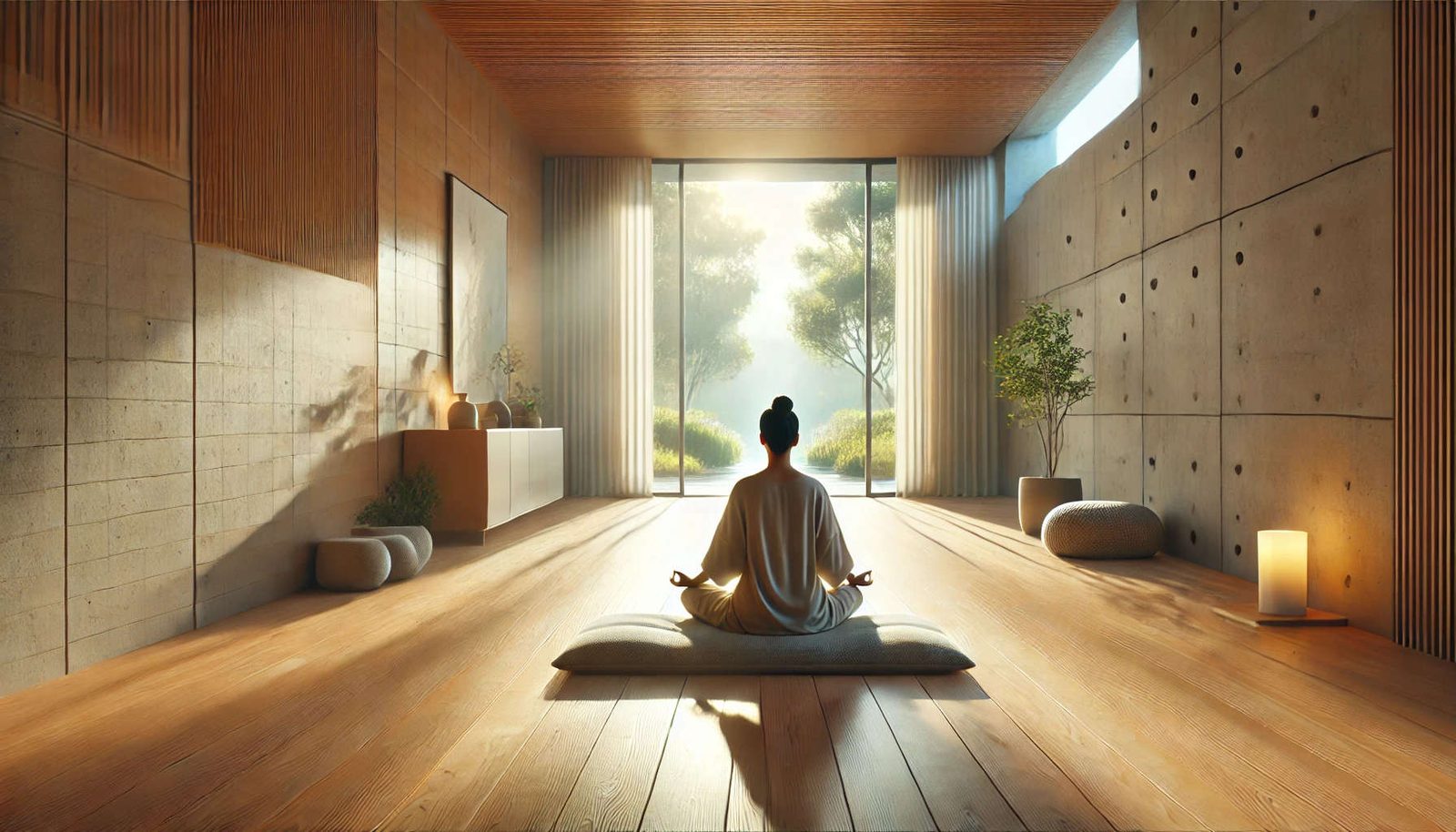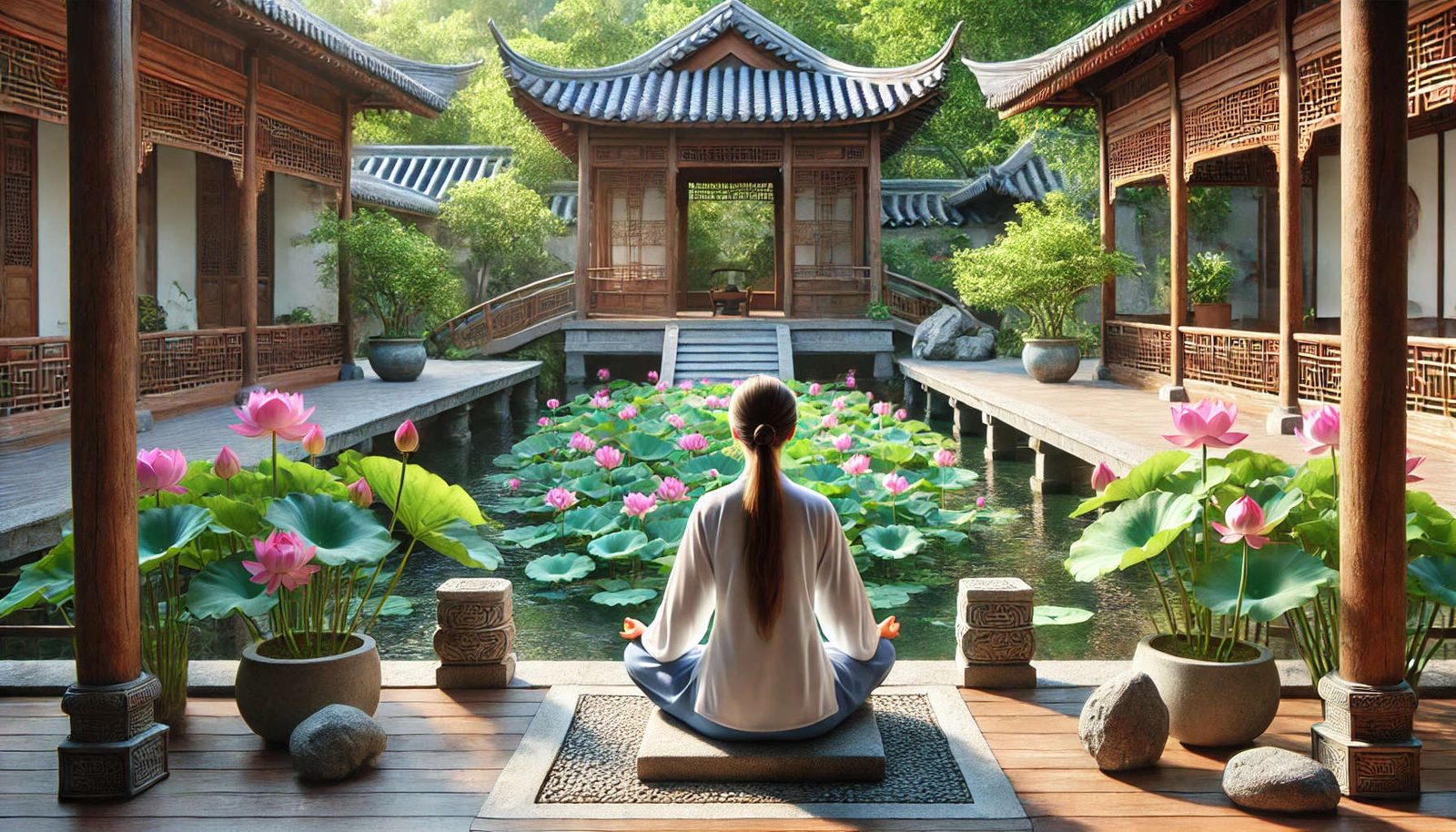
时间:08/15/2026 08/16/2026
地点:星河禅修中心
主讲:陈双双
打坐参禅
呼吸与能量同步法
呼吸是身与心的桥梁,也是能量最自然的载体。所谓“呼吸与能量同步”,并不是用意念去推动气感,而是在放松、觉知与安住中,让呼吸的节律与身体内在的流动自然对齐。当呼吸变得细、稳、连续,能量的流动便会自行协调,修行由此进入更平衡、更安稳的阶段。
一、什么是“呼吸与能量同步”?
1.不是引导能量,而是对齐节律
不刻意带气,不追逐感受,只是让呼吸回到自然的节奏。
2.能量随呼吸而显现
当呼吸放松、通透,身体内的流动会自然被感知。
3.同步是一种“和谐”,不是“推动”
呼吸在前,觉知在旁,能量随之。
二、为何呼吸是同步的关键?
1.呼吸直接影响神经系统
呼吸越安稳,身体越安全。
2.呼吸连接身心
念头紧时,呼吸急;心松时,呼吸缓。
3.呼吸是最不危险的入口
比起意念或气感操作,呼吸更自然、更可持续。
三、同步前的必要准备
1.身体先松
从头到脚扫描,允许紧张自然退去。
2.心先静
不急着进入状态,只安住在当下。
3.呼吸不被操控
不拉长、不压短,让呼吸自行调整。
四、呼吸与能量同步的实践步骤
1.觉察呼吸的起伏
感受吸气的展开,呼气的回收。
2.观察身体的微细回应
腹部、胸腔、脊柱、全身的轻微变化。
3.让觉知覆盖整体
不盯住一点,而是以开放的觉知包容全身。
4.保持连续与柔软
不中断,不用力,同步自然形成。
五、同步时可能出现的感受
1.温暖或流动感
常见于腹部、背部或四肢。
2.呼吸变细、变长
不是刻意延长,而是自然深化。
3.心变得稳定而明亮
清醒、不兴奋、不过度。
六、常见误区与安全提醒
1.不要用意念推气
推动容易造成紊乱。
2.不要以强烈感受为标准
同步的标志是安稳,不是刺激。
3.出现不适应立即回到自然呼吸
一切以身心平衡为先。
总结
呼吸与能量的同步,不是技巧的叠加,而是放松、觉知与信任的结果。当呼吸自然,能量自调,修行便安稳而深长。
Date: 08/15/2026 08/16/2026
Location: Star River Meditation Center
Teacher: Shuangshuang Chen
Sitting Meditation
Breath–Energy Synchronization
Breath is the bridge between body and mind,and the most natural carrier of inner energy.Breath–energy synchronization is not about directing energy with intention,but allowing the rhythm of breathing to align naturally with bodily flow.When breathing becomes relaxed, subtle, and continuous,energy harmonizes on its own, supporting stable and balanced practice.
1.What Is Breath–Energy Synchronization?
1.Alignment, not manipulation
No pushing, no forcing—just restoring natural rhythm.
2.Energy follows relaxed breathing
As breath opens,inner flow becomes perceptible.
3.Synchronization means harmony
Breath leads,awareness accompanies,energy follows.
2.Why Is Breath Central to Synchronization?
1.Breath regulates the nervous system
Calm breathing signals safety.
2.Breath reflects mental state
Tension shortens breath;ease softens it.
3.Breath is the safest gateway
More reliable than visualization or energy control.
3.Essential Preparation
1.Relax the body first
Scan from head to toe,letting tension melt.
2.Settle the mind
Arrive without haste.
3.Allow breathing to self-adjust
No regulation,no interference.
4.Practice Steps
1.Sense the natural rise and fall of breath
Expansion on inhalation,release on exhalation.
2.Notice subtle bodily responses
Abdomen, chest, spine, and whole-body resonance.
3.Broaden awareness
Avoid fixation—let awareness include the entire body.
4.Maintain continuity and softness
No breaks,no effort.
5.Common Signs of Synchronization
1.Gentle warmth or flow
Often in the torso, back, or limbs.
2.Breath becomes finer and longer
Naturally, without control.
3.A stable, clear mental state
Alert but not excited.
6.Common Pitfalls and Safety Notes
1.Do not push energy with intention
Forcing leads to imbalance.
2.Do not chase strong sensations
Stability—not intensity—is the sign.
3.Return to natural breathing if discomfort arises
Balance always comes first.
Conclusion
Breath–energy synchronization is not achieved through technique,but through relaxation, awareness, and trust.When breath is natural,energy aligns itself,and practice deepens with ease.