时间:03/07/2026 03/08/2026
地点:星河禅修中心
主讲:黄云全
斋食养生
小麦
小麦:全球最重要的全谷物主食之一
一、小麦是什么?
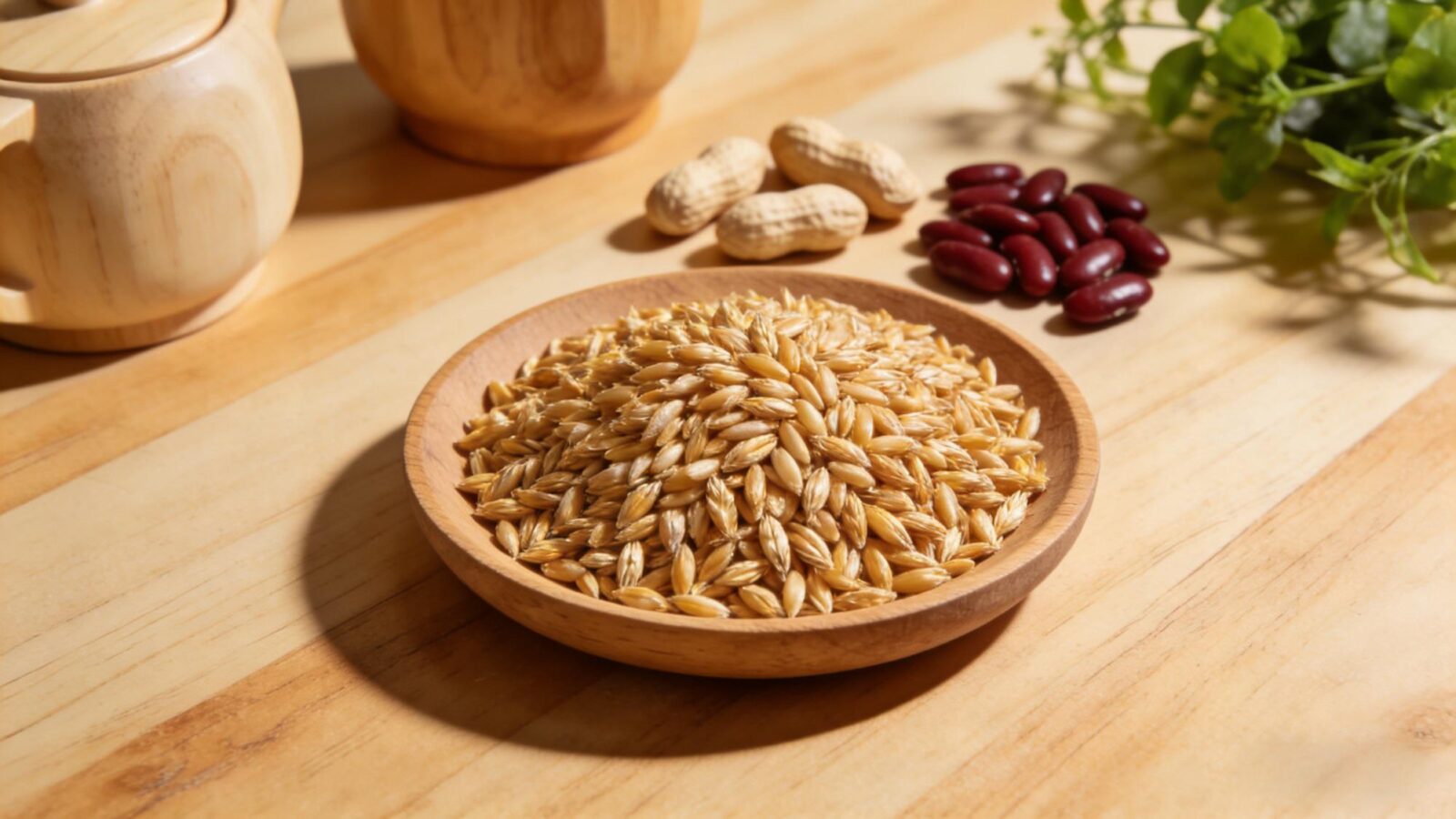
小麦(学名 Triticum aestivum)是一种禾本科植物,是世界上最广泛种植的粮食作物之一。小麦主要生长在温带地区,其种子被研磨成面粉,用于制作各种主食,如面包、面条、馒头和饼干。作为重要的全谷物来源,小麦在全球饮食中占据重要地位。
二、小麦的营养价值
小麦是一种高碳水化合物、富含膳食纤维和多种维生素的全谷物。主要营养成分包括:
1.碳水化合物:提供人体主要能量来源,支持日常活动。
2.膳食纤维:有助于促进消化,维持肠道健康。
3.B族维生素:支持能量代谢,帮助维持神经系统功能。
4.蛋白质(如面筋蛋白):支持肌肉生长和修复。
5.矿物质(镁、铁、锌):促进血液循环,支持免疫系统和骨骼健康。
三、小麦的健康益处
1.提供稳定能量:小麦富含复合碳水化合物,能持续为身体提供能量。
2.促进消化健康:全麦食品富含膳食纤维,有助于改善肠道菌群平衡。
3.支持心血管健康:全麦食品有助于降低胆固醇,减少心血管疾病风险。
4.有助于血糖控制:全谷物小麦具有较低的升糖指数(GI),有助于维持血糖稳定。
5.增强免疫力:富含矿物质和抗氧化物,有助于提高机体防御能力。
四、小麦的食用方式
1.全麦面包:用全麦面粉制作,保留更多营养。
2.小麦粥:用小麦粒熬煮,口感浓郁,富含膳食纤维。
3.面条或意大利面:小麦面粉制作的传统主食,适合搭配多种食材。
4.小麦胚芽:富含维生素E和蛋白质,可加入粥或燕麦片中食用。
5.发芽小麦:可用于烘焙或搭配沙拉,营养价值更高。
五、关于小麦的小知识
如何挑选优质小麦食品?
选择全麦或未精制的小麦食品,避免高糖、高脂加工食品。
精制面粉和全麦面粉的区别?
全麦面粉保留了麸皮和胚芽,营养价值更高,而精制面粉口感较细腻但营养成分相对减少。
小麦适合每天食用吗?
适量食用有益健康,建议搭配其他谷物,保持饮食均衡。
总结
小麦是一种富含碳水化合物、膳食纤维、B族维生素和矿物质的重要全谷物。适量食用小麦可提供稳定能量、促进消化、支持心血管健康,并有助于血糖控制和免疫力提升。无论是全麦面包、面条还是小麦粥,小麦都是全球饮食中不可或缺的健康选择。
Date: 03/07/2026 03/08/2026
Location: Star River Meditation Center
Teacher: Yunquan Huang
Buddhist Diet and Regimen
Wheat
Wheat: One of the World’s Most Essential Whole Grains
1. What is Wheat?
Wheat (Triticum aestivum) is a cereal grain from the grass family and is one of the most widely cultivated crops worldwide. Primarily grown in temperate regions, wheat is ground into flour and used to make staple foods like bread, pasta, noodles, and baked goods. As a vital whole grain, wheat plays a crucial role in global nutrition.
2. Nutritional Value of Wheat
Wheat is a high-carbohydrate, fiber-rich whole grain packed with essential vitamins and minerals. Key nutrients include:
1.Carbohydrates: Provides a primary source of energy for daily activities.
2.Dietary Fiber: Aids digestion and supports gut health.
3.B Vitamins: Essential for energy metabolism and nervous system function.
4.Protein (such as Gluten): Supports muscle growth and repair.
5.Minerals (Magnesium, Iron, Zinc): Promote blood circulation, immune function, and bone health.
3. Health Benefits of Wheat
1.Provides Sustained Energy: Rich in complex carbohydrates, wheat delivers long-lasting energy.
2.Supports Digestive Health: Whole wheat foods are high in fiber, improving gut microbiome balance.
3.Promotes Heart Health: Whole grains help lower cholesterol and reduce cardiovascular disease risk.
4.Aids Blood Sugar Control: Whole wheat has a lower glycemic index (GI), helping stabilize blood sugar levels.
5.Boosts Immunity: Packed with minerals and antioxidants that enhance the body’s defense system.
4. Best Ways to Eat Wheat
1.Whole Wheat Bread: Made with whole wheat flour, retaining more nutrients.
2.Wheat Porridge: Cooked with whole wheat grains for a fiber-rich meal.
3.Pasta or Noodles: Traditional wheat-based staples that pair well with various ingredients.
4.Wheat Germ: High in vitamin E and protein, can be added to porridge or oatmeal.
5.Sprouted Wheat: Used in baking or salads for enhanced nutrition.
5. Interesting Facts About Wheat
How to Choose the Best Wheat Products?
Opt for whole wheat or unrefined wheat foods, avoiding processed options high in sugar and fat.
What’s the Difference Between Refined and Whole Wheat Flour?
Whole wheat flour retains the bran and germ, providing more nutrients, while refined flour has a finer texture but fewer nutrients.
Is It Safe to Eat Wheat Daily?
Yes, moderate consumption as part of a balanced diet is beneficial for overall health.
Conclusion
Wheat is a carbohydrate-rich, fiber-packed whole grain that provides sustained energy, supports digestion, promotes heart health, and helps regulate blood sugar. Whether consumed as whole wheat bread, pasta, or wheat porridge, wheat remains an essential and nutritious choice in diets worldwide.