时间:09/06/2025 09/07/2025
地点:星河禅修中心
主讲:黄云全
佛法知识
解脱是否离世
当人们听到“解脱”这个词,常常会误以为那是一个脱离尘世、远离人间、遁入虚无的状态,仿佛修行人的最终归宿就是彻底告别世界、与世隔绝。然而,从佛法的根本教义来看,解脱并不是一种“离开”,也不是对人生的否定或逃避。相反,解脱是一种超越烦恼的自由,是一种即使身处世间而不被世间所缚的自在状态。它既不否定生命,也不排斥人间,而是使修行者在因缘中如实生活,却不再被痛苦、执着、无明所困。
佛陀所证得的涅槃,被称为“不生不灭”的境界,它超越了世间所有对立的概念,包括生与死、有与无、来与去。解脱者不再因贪而追、不再因嗔而拒、不再因痴而迷,他仍然吃饭、行走、与人接触,但内心如如不动,如实而清明。这说明,解脱不是离世,而是解离于对世间的颠倒认知。所谓“出世间法”,并非逃避世间,而是超越于世间法的执着之上。
在经典中,许多已证悟阿罗汉果的弟子仍然在世间活动,为众生说法、行化四方;大乘菩萨更是发愿“众生无边誓愿度”,即使已经证得涅槃,也愿再入生死,随顺众生而不住轮回。他们并不执着于“涅槃”的宁静,也不逃避“世间”的混乱,而是以智慧与慈悲穿行其中,自在无碍。这说明真正的解脱,是一种“虽在世间,心不染世”的状态,是一种“心中无牢笼,处处皆自由”的生命体验。
佛陀一生也是活在世间的典范。他并未在成道后远离人群、隐居不见,而是四十九年广说法教,饮水而行、应病与药。他与富贵者交往,也接引贫贱者;他回应恭敬,也应对诽谤;他住山林,也入城镇。佛陀的生活方式,就是解脱与入世并行的明证。他告诉我们:真正的出离,是内心的清明,而非身体的远走;真正的解脱,是破除执著,而不是回避世界。
当然,解脱者的状态不是凡人强行模仿就能获得的。它来自长久的修行、深刻的观照、彻底的转识成智。然而佛法之所以被称为“现法乐住”,是因为解脱不仅是未来的目标,也是当下可以逐步体验的过程。当我们开始一点一滴放下我执、看清无常、减少贪嗔痴,我们便已在走向解脱的路上,而这一切,并不需要离开这个世界。
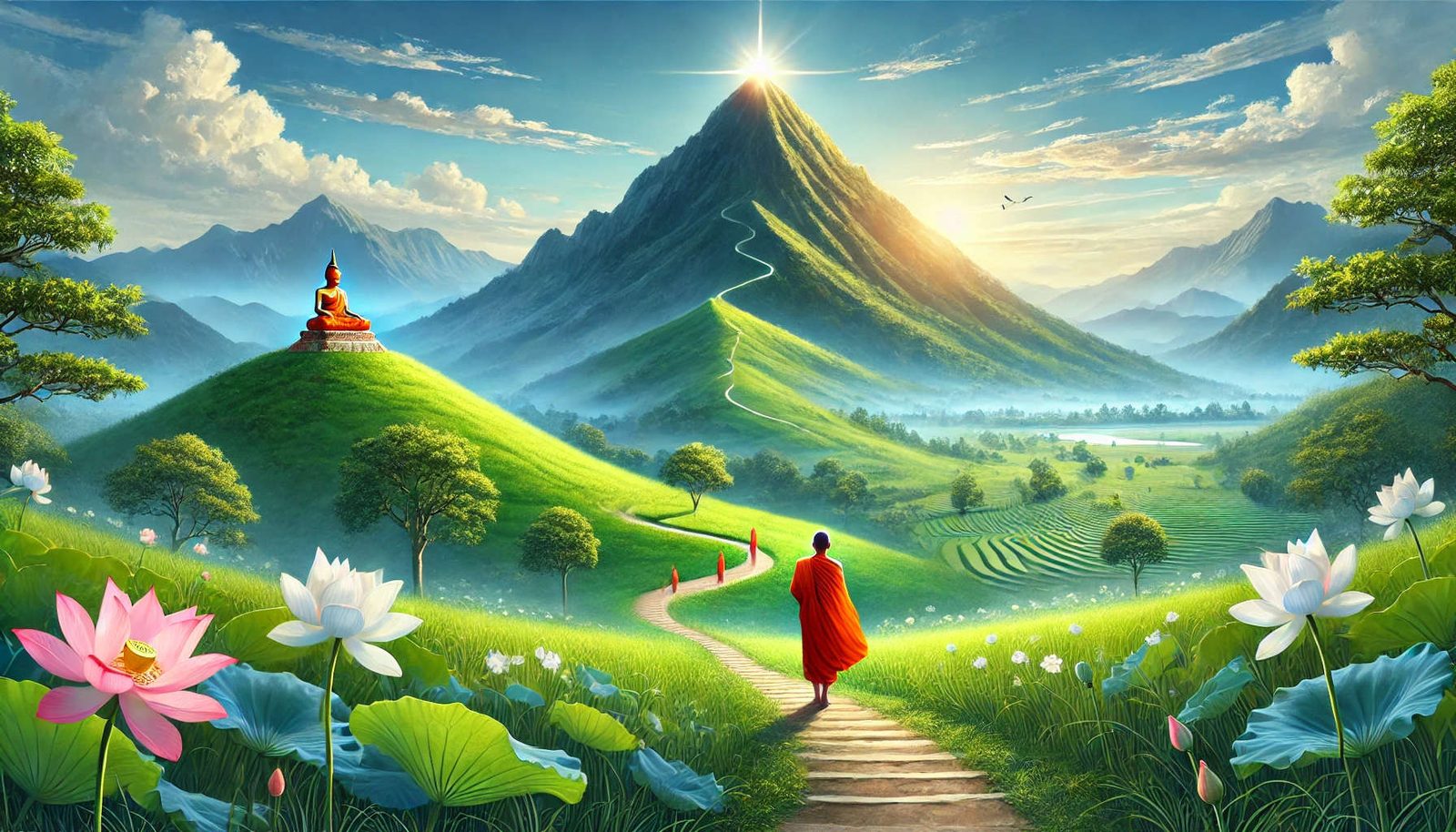
所以说,解脱不是离世,而是通透活着。不是逃离,而是深刻理解;不是厌世,而是超越执世;不是不再爱这个世界,而是不再被爱所缚。真正的修行人,是走进世界、理解世界、但不再被世界定义的人。他如莲花出淤泥而不染,身在红尘心如止水。这样的生命,不是离开了世界,而是超越了苦的根源,安住于觉醒与自由之中。
Date: 09/06/2025 09/07/2025
Location: Star River Meditation Center
Teacher: Yunquan Huang
Dharma Knowledge
Is Liberation an Escape from the World
When people hear the word “liberation” in a Buddhist context, they often imagine it as an escape from the world—detachment from society, renunciation of life, or disappearance into some void. But from the standpoint of authentic Dharma, liberation is not a departure from the world, but a profound transformation of one’s relationship to it. It is not about physically leaving the world behind, but about freeing the mind from bondage—freeing it from craving, aversion, and ignorance.
The Buddha described liberation (nibbāna) as the cessation of suffering, the ending of clinging, the extinguishing of the fires that drive the cycle of birth and death. Yet, this doesn’t mean that one who is liberated ceases to exist or detaches from life itself. Rather, they see clearly the nature of things: impermanence, non-self, interdependence. This clarity dissolves the delusions that cause suffering. A liberated person still walks, eats, speaks, and interacts—but they do so without ego, without grasping, and without fear.
Thus, liberation is not withdrawal from life, but a different way of living. It is a state of complete freedom within the conditions of existence. One may live in a forest or a city, remain silent or teach publicly—the outer form is not the measure of liberation. What matters is whether the heart is free. As the Buddha himself said, “Not by seclusion alone does one become a sage; it is by freedom of mind.”
Many of the Buddha’s enlightened disciples continued to serve, teach, and engage with the world after their awakening. In Mahāyāna traditions, Bodhisattvas vow to remain in the world, returning again and again to benefit sentient beings—even though they themselves are already free from the cycle of rebirth. They do not cling to nirvana, nor are they trapped by samsara. They move through both with wisdom and compassion.
The Buddha’s own life is the best example of liberation-in-action. After his awakening, he did not retreat into silence or isolation. He spent forty-nine years walking among people—teaching kings and outcasts, tending to the sick, responding to praise and insult alike. His life shows that the awakened mind is not above the world, but fully present within it—untainted, yet responsive.
True liberation, then, is not about removing oneself from the world, but about removing the delusion that we are bound by it. It is the end of inner bondage, not the erasure of external conditions. The liberated one is like a lotus in muddy water—rooted in the world but untouched by its stains. He or she lives simply, clearly, wisely—not driven by greed or fear, but moved by compassion and understanding.
This state of freedom is not beyond reach. The Buddha called his path “immediately effective, visible here and now.” Even before full enlightenment, we can experience glimpses of freedom—each time we let go of attachment, each time we meet life with awareness instead of reactivity. Liberation is a process, not a binary. It begins the moment we turn toward truth.
So, liberation is not about leaving the world—it is about living deeply within it, but not being defined by it. It is not escape, but realization. Not avoidance, but understanding. Not rejection, but transcendence. A truly liberated being does not vanish from the world, but becomes its most awakened participant—moving through life with clarity, love, and unshakable peace.