时间:03/23/2024 03/24/2024
地点:星河禅修中心
主讲:黄云全
佛法知识
悉达多太子的出家因缘
悉达多太子的出家,并非一时冲动,也不是对现实生活的逃避,而是在长期观察、深刻思惟与内在成熟之后,自然生起的生命抉择。他的出家因缘,根植于对生命本质的直面与对一切众生苦难的深切关怀。这一抉择,标志着人类精神史上一次重要的转向——从对外在成就的追逐,转向对终极真理的探问。
悉达多太子,亦即后来被尊称为佛陀的释迦牟尼,出生于王族之家,自幼享尽人间富贵。父王为避免他接触人生的苦相,刻意将他安置在安逸与欢娱之中,希望他继承王位,成为一位贤明的统治者。然而,优渥的物质条件并未使太子内心获得真正的满足。相反,在宁静与丰足之中,他敏锐地觉察到一种难以言说的空缺:即便拥有一切,生命依然无法免于衰老、疾病与死亡。
真正触动悉达多太子内心的,是他在出游时目睹的“人生四相”——老者、病者、死者与出家修行者。衰老的身体、病苦的折磨、死亡的无可回避,使他第一次清晰地看见:无论贫富贵贱,没有任何人能逃脱生命的无常。而出家修行者的安详神情,则让他隐约感受到,或许存在一条超越苦难的道路。这四种境遇,如同四面镜子,映照出人生的真实面貌,也深深震动了太子的内心。
在不断反复的思索中,悉达多太子逐渐意识到,问题并不在于个人命运的好坏,而在于生命本身的结构。只要仍在生死流转之中,任何短暂的幸福都终将被无常所夺。正是在这种对普遍苦的体悟中,他的心从“自我安乐”扩展到“众生之苦”。他所关切的,不再只是自身的未来,而是一个更根本的问题:是否存在一条道路,能够从根本上解脱生老病死之苦?
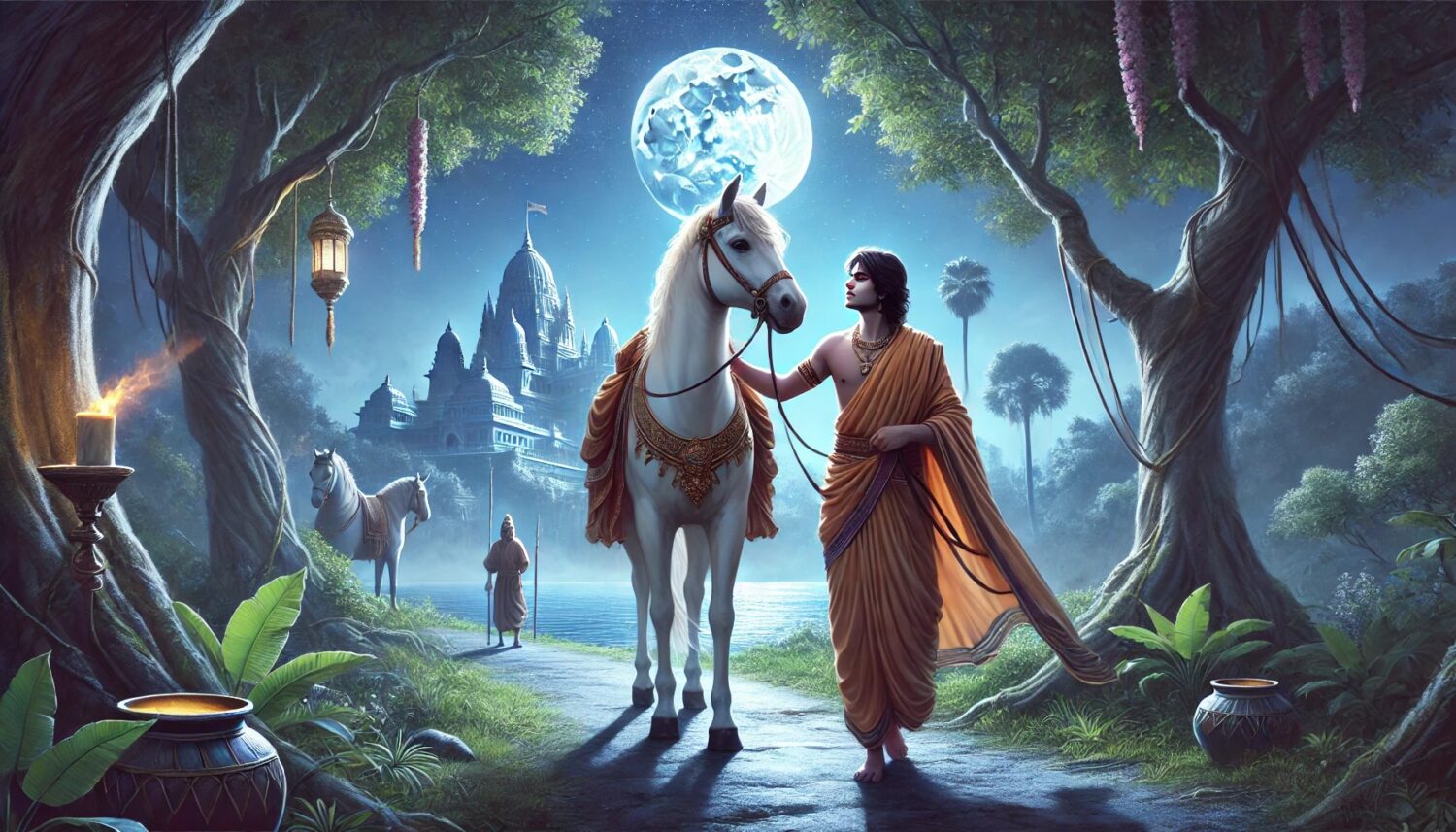
因此,悉达多太子的出家,并非对家庭、责任或世界的否定,而是一种更深层次的承担。他明白,作为王子,他或许能够治理一国,却无法解决生命的终极困境;而若能找到解脱之道,不仅能利益自身,更能为无量众生指出出路。正是这种超越个人得失的悲愿,使他在夜深之时,悄然离开王城,踏上寻求真理的修行之路。
值得注意的是,悉达多太子在出家之前,已拥有圆满的家庭、尊贵的地位与世人艳羡的一切条件。他的离去,并非因为生活的不幸,而是因为他看见了“即使最圆满的世间生活,依然无法避免根本的苦”。正因如此,他的出家更具启示意义:真正促使人走向觉悟的,不是痛苦本身,而是对痛苦本质的清醒认知。
从更深的层面来看,悉达多太子的出家,是智慧成熟的自然结果。当一个人对无常生起真实而稳定的觉知,当慈悲心不再局限于自我圈层,当对真理的渴望超越对安全与习惯的依赖,出离之心便会水到渠成。这不是舍弃,而是转向;不是逃离,而是走向真实。
因此,悉达多太子的出家因缘,不仅是佛教史上的关键事件,也是一则关于人类觉醒的普遍寓言。它告诉人们:当我们真正看清生命的有限与苦性,当内心生起对真理的诚恳追问,人生便会自然指向更高的意义。出家,并不只是形式上的离俗,而是从无明走向觉知、从狭隘走向广大的一次深刻转身。
Date: 03/23/2024 03/24/2024
Location: Star River Meditation Center
Teacher: Yunquan Huang
Dharma Knowledge
The Causes and Conditions of Prince Siddhartha’s Renunciation
Prince Siddhartha’s renunciation was neither an impulsive act nor an escape from worldly responsibility. It was the natural outcome of deep observation, sustained contemplation, and inner maturity. The causes and conditions that led him to leave home arose from his direct confrontation with the nature of life and his profound concern for the suffering of all beings. His decision represents a pivotal moment in human spiritual history—a turning away from the pursuit of external achievement toward the search for ultimate truth.
Born into royalty, Siddhartha enjoyed extraordinary privilege, comfort, and security. His father, wishing to shield him from the harsh realities of life, surrounded him with beauty and pleasure, hoping he would grow into a great king. Yet abundance did not bring lasting fulfillment. Even amidst luxury, Siddhartha sensed an unspoken unease—a realization that wealth and power could not protect anyone from aging, illness, or death. This quiet awareness marked the beginning of his inner awakening.
The decisive turning point came when Siddhartha encountered what are traditionally known as the four sights: an old person, a sick person, a corpse, and a wandering ascetic. Through these encounters, he saw clearly what had long been concealed from him—that all beings, regardless of status or fortune, are subject to decay and mortality. The sight of the ascetic, calm and dignified despite having renounced worldly life, suggested that there might be a path beyond suffering. These encounters shattered the illusion of permanence and forced Siddhartha to face the reality of impermanence head-on.
As he reflected deeply on what he had seen, Siddhartha understood that the problem was not individual misfortune but the very structure of conditioned existence. As long as one remains bound to birth and death, no pleasure can provide lasting satisfaction. This realization expanded his concern beyond personal destiny to encompass the fate of all beings. His central question became universal: Is there a way to transcend aging, sickness, and death altogether?
Seen in this light, Siddhartha’s renunciation was not a rejection of family, duty, or society, but an expression of deeper responsibility. He recognized that even the best governance could not solve the fundamental problem of suffering. If a path to liberation existed, discovering it would benefit not only himself but countless others. Guided by this aspiration, he quietly left the palace at night and embarked on the life of a seeker, determined to find the truth that leads to freedom.
It is significant that Siddhartha renounced the world not because of hardship, but despite having everything one could desire. His departure demonstrates that awakening is not born merely from suffering, but from insight into the nature of suffering. He saw that even the most ideal worldly conditions remain fragile and incomplete. This clarity gave his renunciation its profound depth and universal relevance.
On a deeper level, Siddhartha’s renunciation was the natural fruit of wisdom ripening within. When impermanence is no longer an abstract idea but a lived understanding, when compassion extends beyond personal boundaries, and when the longing for truth surpasses the need for comfort and convention, the impulse to renounce arises spontaneously. This renunciation is not abandonment, but reorientation—not escape, but a courageous movement toward reality.
Thus, the causes and conditions behind Prince Siddhartha’s renunciation are not merely an episode in Buddhist history, but a timeless illustration of human awakening. They remind us that when we truly see the limits of worldly satisfaction and sincerely seek what lies beyond, life itself begins to point toward deeper meaning. Renunciation, in this sense, is not simply leaving the world, but turning from ignorance to awareness, from narrow concerns to a boundless vision of liberation for all beings.