时间:12/13/2025 12/14/2025
地点:星河禅修中心
主讲:黄云全
斋食养生
扁豆
扁豆:富含植物蛋白与膳食纤维的营养豆类
一、扁豆是什么?
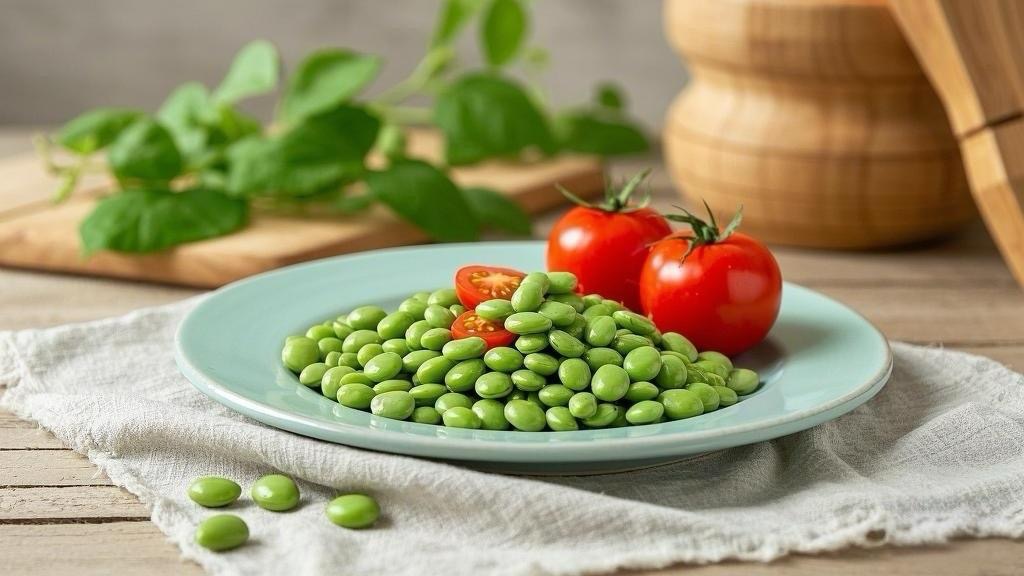
扁豆(学名 Lablab purpureus),是一种豆科植物,广泛分布于亚洲、非洲和美洲热带及亚热带地区。扁豆的豆荚扁平,颜色多变,可为绿色、紫色或带斑点,既可作为蔬菜食用,也可干制储存。扁豆因其丰富的营养价值,常被用于炒制、炖煮或制成豆泥。
二、扁豆的营养价值
扁豆是一种高蛋白、高膳食纤维的豆类,富含多种维生素和矿物质。主要营养成分包括:
1.植物蛋白:提供优质蛋白质,是素食者良好的蛋白来源。
2.膳食纤维:促进肠道蠕动,帮助消化健康。
3.铁:有助于血液循环,帮助预防贫血。
4.钾:帮助调节血压,维持体液平衡。
5.B族维生素:支持能量代谢,维持神经系统稳定。
三、扁豆的健康益处
1.增强消化健康:富含膳食纤维,有助于改善消化功能,减少便秘。
2.支持心血管健康:高钾低钠的特性有助于维持血压稳定,减少心血管疾病风险。
3.提高免疫力:富含植物蛋白和铁,增强机体抵抗力,支持血液健康。
4.有助于控制血糖:低升糖指数(GI)食物,有助于稳定血糖水平。
5.帮助体重管理:高纤维和高蛋白的特性有助于增加饱腹感,减少过量进食。
四、扁豆的食用方式
1.炒扁豆:搭配其他蔬菜翻炒,口感鲜嫩。
2.扁豆炖汤:与豆腐、菌菇等食材炖煮,味道醇厚。
3.扁豆泥:煮熟后捣成泥,可用于制作酱料或搭配主食。
4.烘焙扁豆:烘烤成健康零食,口感香脆。
5.扁豆煮饭:与糙米或其他谷物搭配蒸煮,增加膳食纤维摄入。
五、关于扁豆的小知识
如何挑选优质扁豆?
选择颜色鲜亮、豆荚饱满、无虫蛀的扁豆。
扁豆需要泡水吗?
干扁豆需要浸泡数小时,以缩短烹饪时间并提高消化性。
扁豆适合每天食用吗?
适量食用有益健康,每天50-100克即可满足营养需求。
总结
扁豆是一种富含植物蛋白、膳食纤维、铁和B族维生素的营养豆类。适量食用扁豆可增强消化健康、保护心血管、调节血糖,并有助于体重管理。无论是炒制、炖煮、制成豆泥或搭配谷物,扁豆都是健康饮食的理想选择。
Date: 12/13/2025 12/14/2025
Location: Star River Meditation Center
Teacher: Yunquan Huang
Buddhist Diet and Regimen
Hyacinth Bean
Hyacinth Bean: A Nutrient-Rich Legume Packed with Protein and Fiber
1. What is Hyacinth Bean?
Hyacinth bean (Lablab purpureus) is a legume widely cultivated in tropical and subtropical regions of Asia, Africa, and the Americas. Its flat pods come in various colors, including green, purple, and speckled varieties. Hyacinth beans can be consumed fresh or dried and are commonly used in stir-fries, soups, and purees due to their rich nutritional value.
2. Nutritional Value of Hyacinth Bean
Hyacinth beans are high in protein and dietary fiber, providing essential vitamins and minerals. Key nutrients include:
1.Plant-Based Protein: A great protein source for vegetarians.
2.Dietary Fiber: Aids digestion and supports gut health.
3.Iron: Helps maintain healthy blood circulation and prevents anemia.
4.Potassium: Regulates blood pressure and maintains fluid balance.
5.B Vitamins: Supports energy metabolism and nervous system function.
3. Health Benefits of Hyacinth Bean
1.Aids Digestive Health: High fiber content promotes bowel movement and reduces constipation.
2.Supports Heart Health: High potassium and low sodium levels help regulate blood pressure.
3.Boosts Immunity: Rich in protein and iron, strengthening overall immunity and blood health.
4.Helps Regulate Blood Sugar: Low glycemic index (GI) food that aids in maintaining stable blood sugar levels.
5.Aids in Weight Management: High fiber and protein increase satiety and reduce overeating.
4. Best Ways to Eat Hyacinth Bean
1.Stir-Fried Hyacinth Bean: Cooked with other vegetables for a fresh and tender dish.
2.Hyacinth Bean Soup: Simmered with tofu and mushrooms for a hearty broth.
3.Hyacinth Bean Puree: Mashed into a paste for dips or spreads.
4.Roasted Hyacinth Beans: Baked for a crispy and nutritious snack.
5.Hyacinth Bean Rice: Cooked with brown rice or whole grains for extra fiber.
5. Interesting Facts About Hyacinth Bean
How to Choose the Best Hyacinth Beans?
Look for fresh, plump pods with vibrant color and no insect damage.
Should Hyacinth Beans Be Soaked Before Cooking?
Dried hyacinth beans should be soaked for a few hours to reduce cooking time and improve digestion.
Is It Safe to Eat Hyacinth Beans Daily?
Yes, moderate daily consumption (50-100g) provides essential nutrients for overall health.
Conclusion
Hyacinth beans are a fiber-rich, protein-packed legume that supports digestion, heart health, blood sugar regulation, and weight management. Whether stir-fried, simmered in soups, mashed into a puree, or baked as a snack, hyacinth beans are a delicious and nutritious addition to a healthy diet.