时间:12/28/2024 12/29/2024
地点:星河禅修中心
主讲:黄云全
打坐参禅
禅定中的错觉与幻相
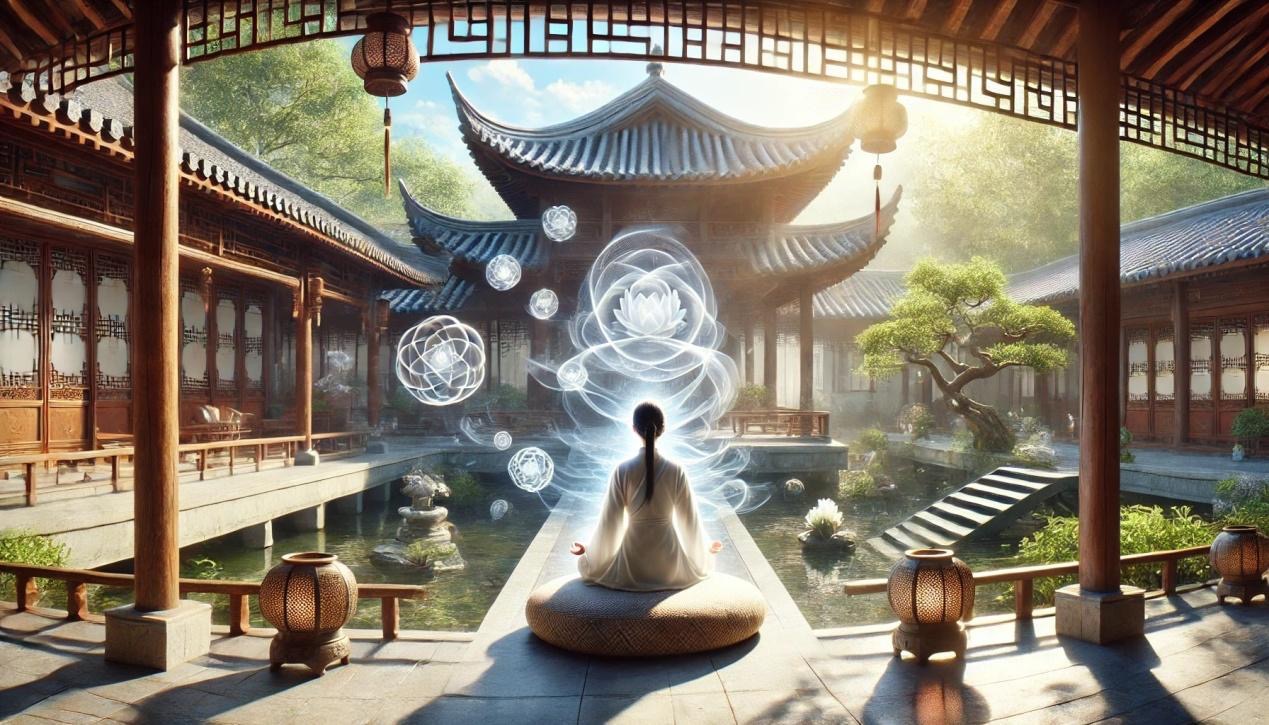
许多修行者在禅定中会出现各种“境界”,例如光影、幻听、能量波动、漂浮感、巨大宁静感等。这些体验虽然常见,却容易让人误以为是开悟或证量。理解禅定中的错觉与幻相,有助于避免迷失于境界,也能让修行回到智慧与如实觉知上。
一、禅定中的常见错觉
1.把身体反应误认为开悟
在深度放松时,可能出现:
麻、热、凉
跳动、扩张
漂浮感
身体变轻或变重
这些是神经系统松开后的自然现象,不是觉悟。
2.把光影幻象误认为智慧之光
闭眼时出现光点、亮区、金光、色彩变化,这只是:
视觉神经的自发活动
深度放松的副作用
脑的内在反射
它们不是“看到佛光”或“境界升起”。
3.把声音或回声当成神秘讯息
静坐时偶尔会听到:
嗡鸣
内在回响
似乎来自外界的声音
这些大多是感官敏锐化,而非“天耳通”。
4.把心的安静误认为解脱
深定时的宁静虽然难得,但:
宁静是状态
解脱是智慧
若只执著宁静,心一动就失去。
5.把强烈情绪释放当成灵性突破
禅修时可能突然哭泣、笑、颤抖,这只是:
压抑情绪松开
心理能量被释放
并非“证悟”。
二、禅定中出现幻相的原因
1.感官放大与敏锐化
深度静坐使感官系统变得极敏锐,容易产生错觉。
2.心进入微细状态
平时被忽略的感受会被看见,让人误以为“特殊”。
3.习性投射
心把过去的经验、信念、想象投射到当下体验。
4.寻求意义的心理
修行者容易把任何体验赋予“灵性意义”。
5.对境界的期待
期待越强,幻相越多,心越容易自我欺骗。
三、如何判断某个体验是否是幻相?
1.它是不是稍纵即逝?
短暂且无法重复的,多半是幻相。
2.它是否让你更执著?
若让你想追、想抓住,这是心的幻象。
3.它是否需要被维持?
需要努力维持的,不是真实觉知。
4.它是否让你生起“我特别”的感觉?
越是让你觉得“我很厉害”,越不可靠。
5.它是否带来智慧?
真正的觉知会带来:
明亮
平稳
不执著
对生命更清楚
若没有,就是幻相。
四、正确面对禅定中的幻相
1.承认它的存在,但不把它放大
看到它,但不赋予意义。
2.不拒绝、不追求
幻相是心的自然现象,不必排斥。
3.把注意放回呼吸与身体
回到稳定、真实的当下。
4.记住:境界只是客人,觉知才是主人
所有境界都会消失,只有觉知不变。
五、真正的修行在于如实觉知
1.幻象会来会走
2.感受会起会灭
3.光影会出现也会消失
唯有觉知是稳定的、不依赖任何状态,也不需要任何境界加持。
修行的方向不是追逐境界,而是不断回到如实的觉知。
总结
禅定中的光、声、能量、宁静与情绪释放,多是自然现象,并非悟境。关键不是境界,而是看见境界、放下执著、回到觉知。能辨认幻相而不迷失,才是真正的禅修成熟。
Date: 12/28/2024 12/29/2024
Location: Star River Meditation Center
Teacher: Yunquan Huang
Sitting Meditation
Illusions and Hallucinations in Meditation
During meditation, practitioners may encounter lights, sounds, energy sensations, deep calmness, or emotional releases. These experiences are common but often mistaken for awakening. Understanding illusions and hallucinations in meditation prevents confusion and keeps practice grounded in true awareness.
1.Common Illusions in Meditation
1.Mistaking bodily sensations for enlightenment
Relaxation can bring:
Tingling
Heat or coolness
Floating or sinking
Lightness or heaviness
These are physiological responses, not spiritual attainment.
2.Mistaking visual lights for inner wisdom
Flashes of light, colors, or brightness are simply:
Neural activity
Sensory release
Inner visual noise
Not “divine light.”
3.Mistaking internal sounds for special abilities
Buzzing, humming, or echo-like sounds usually come from heightened sensitivity, not “clairaudience.”
4.Mistaking stillness for liberation
Calmness is a state;liberation is wisdom.
Clinging to calmness leads to dependency, not freedom.
5.Mistaking emotional release for breakthrough
Sudden crying or trembling is emotional energy being released—not awakening.
2.Why Illusions Arise in Meditation
1.Heightened sensory perception
Deep relaxation increases sensitivity.
2.Subtle mental activity becomes noticeable
Previously ignored sensations surface.
3.Psychological projection
The mind overlays expectations and fears.
4.Desire for meaning
Practitioners easily spiritualize experiences.
5.Expectation-driven illusions
The more you expect, the more the mind creates.
3.How to Recognize Illusions
1.Does it fade quickly?
Short-lived = likely illusion.
2.Does it create attachment?
If you want to repeat it, it’s misleading.
3.Does it require effort to maintain?
Real awareness is effortless.
4.Does it feed the ego?
True insight never boosts the sense of self.
5.Does it bring clarity and wisdom?
If not, it’s not genuine insight.
4.How to Deal with These Illusions
1.Acknowledge without exaggerating
Let it be, nothing more.
2.Don’t reject, don’t chase
Allow experiences to arise and pass.
3.Return to the breath and body
Ground awareness.
4.Remember: States come and go; awareness does not
Awareness is the true refuge.
5. Real Practice Is Simply Clear Awareness
1.Lights fade, sounds shift
2.Sensations change
3.Emotions come and go.
Only awareness remains steady, effortless, and reliable.
Real practice is not about collecting experiences,but about seeing them clearly and letting them pass.
Conclusion
Meditative visions and sensations are natural but not signs of awakening.What matters is recognizing them without clinging and returning to awareness.Maturity in meditation comes from clarity, not from chasing mystical states.