时间:10/19/2024 10/20/2024
地点:星河禅修中心
主讲:黄云全
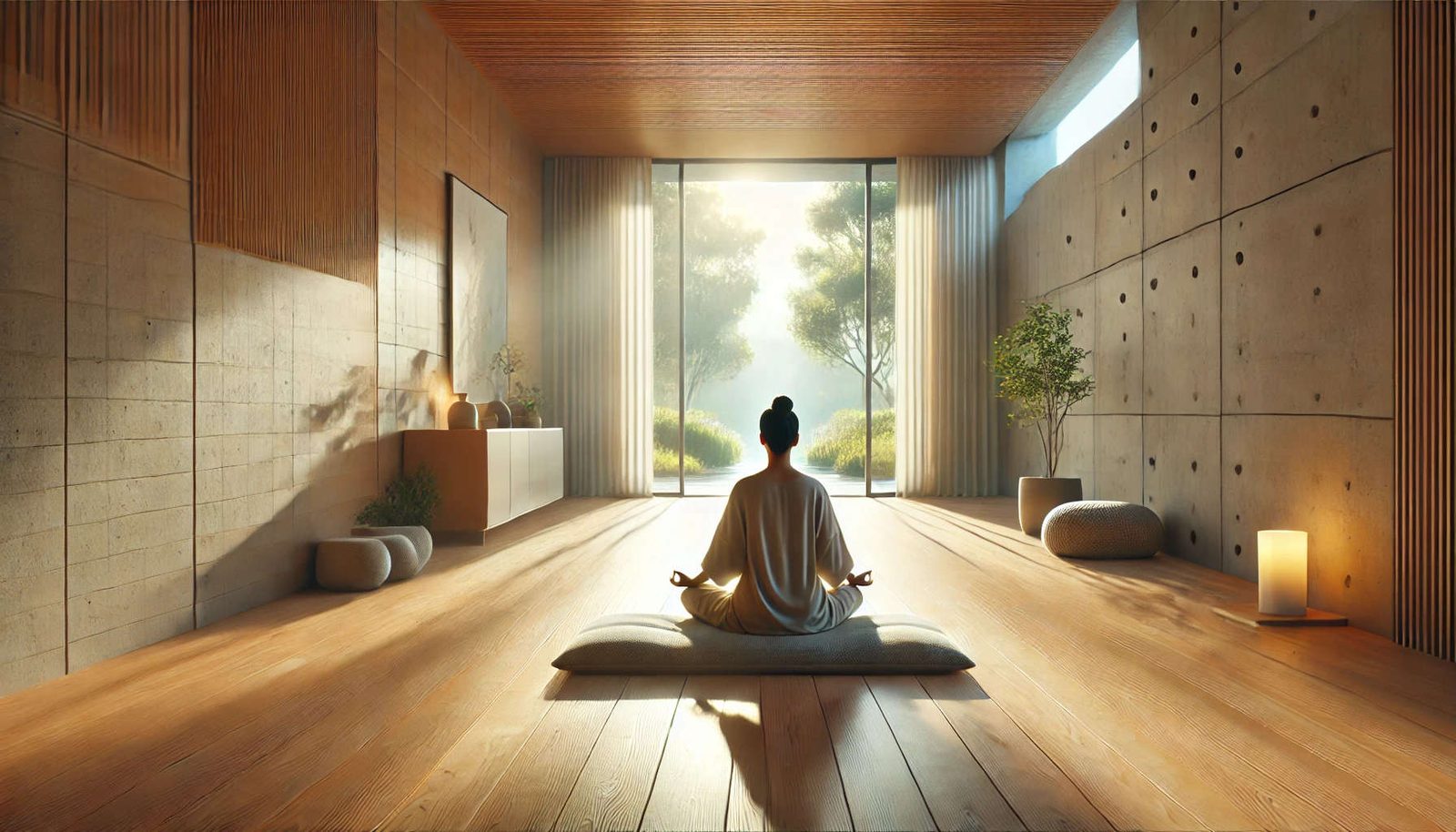
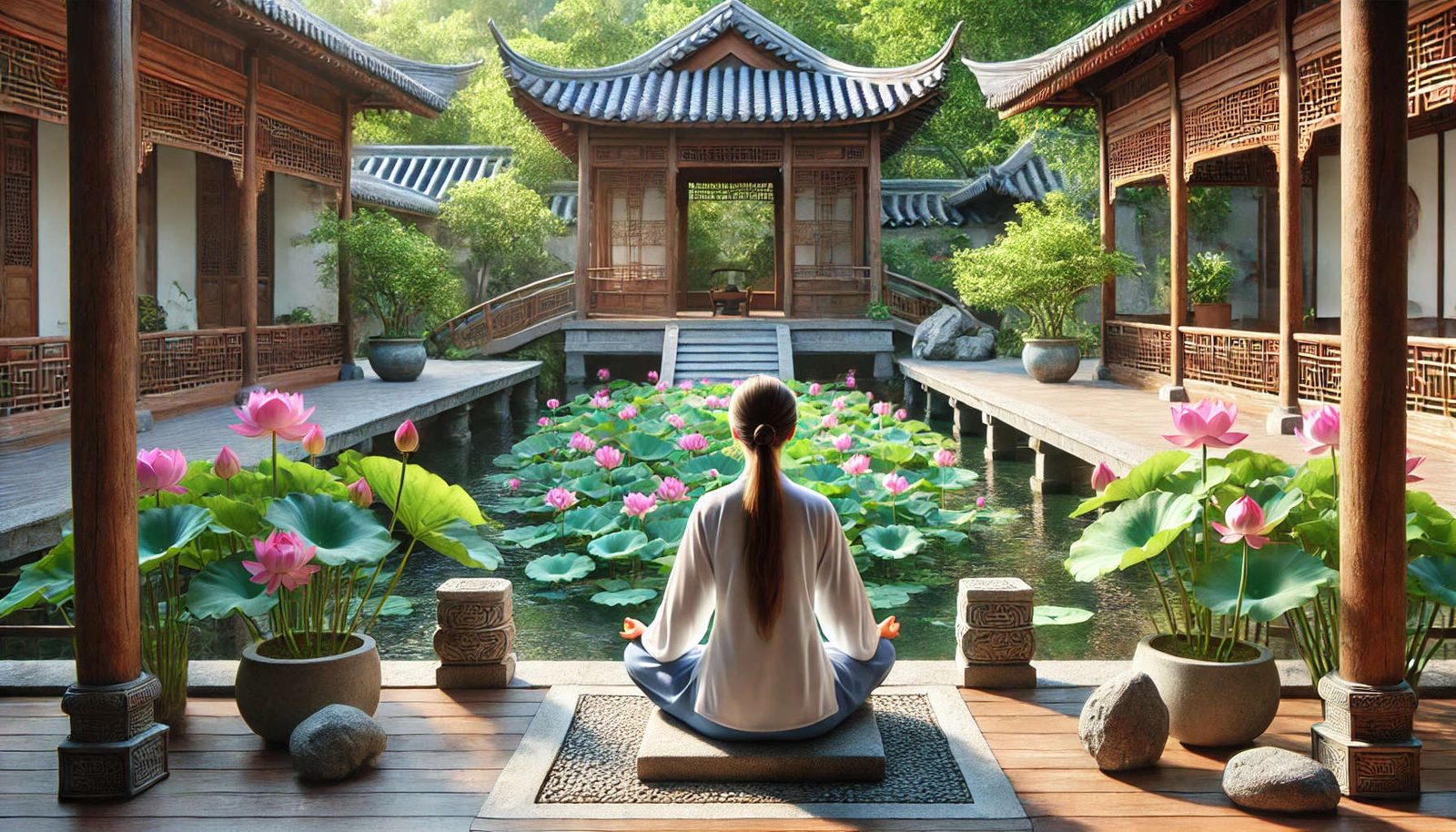
打坐参禅
五蕴皆空:身体与念头皆无我
佛陀以“五蕴”分析生命的构成:色、受、想、行、识。我们以为的“我”,其实只是这五种不断变化的聚合体。当我们深入观察,就会发现五蕴皆无固定、无主宰、无自性,于是懂得“无我”的智慧——不是否定存在,而是看见存在并非我们以为的样子。
一、五蕴是什么?
“五蕴”是构成生命经验的五个部分。
1.色蕴:身体与物质
骨骼、肌肉、器官、感觉器官、身体状态。
2.受蕴:感受
舒服、不舒服、中性的感受。
3.想蕴:想象与概念
认知、记忆、图像、对事物的“标记”。
4.行蕴:心理活动与习性
意志、情绪、反应、冲动、选择。
5.识蕴:觉知与心识
能看、能听、能感受的“觉知功能”。
我们把这五者加在一起,误认为“这就是我”。
但五蕴都在变化,永远无法抓住,于是佛陀说:五蕴皆空。
二、为什么说“五蕴皆空”?
“空”不是没有,而是无固定性、无主宰、无独立自我。
1.身体(色)不断变化
小时候、现在、老年都不同;每一次呼吸,身体都在改变。
无固定性 → 故无我。
2.感受(受)不停变动
痛 → 不痛
开心 → 不开心
舒服 → 不舒服
没有一种感受可以被抓住。
3.想法(想)生灭迅速
记忆会变,理解会变,观点会变。
想法常常根据情绪和环境而改变。
既然如此,如何能说“想法就是我”?
4.情绪与习性(行)非自愿产生
愤怒、恐惧、冲动常常自动升起,如果它们是“我”,我又为何无法控制?
5.觉知(识)也依条件而生
疲惫时昏沉,生气时混乱,觉知本身也不是永恒不变。
五蕴都无常、无主宰,因此皆空。
三、五蕴皆空如何让心自由?
1.不再执著身体
身体不是“我”,只是自然变化的过程。
因此老、病、痛,不再是身份上的打击。
2.不再被情绪绑架
情绪不是“我”,而是一股能量。
能被观察,就能被释放。
3.不再执著念头
念头生生灭灭,不代表真实。
看到念头是念头,烦恼便自动松动。
4.轻松面对变化与无常
“无我”不是悲观,而是轻松:没有什么是一定要抓住的。
5.生命从沉重变成流动
当我们不再抓住五蕴,生命变得轻盈、明亮、自在。
四、如何在生活中体会五蕴皆空?
1.观察身体:它不是我
如:酸痛、紧绷、舒适都在变化。
观察身体,就是观察无常。
2.观察情绪:它来它走
从“我生气了”
变成
“有生气的感觉升起”。
主体改变,痛苦减少。
3.观察念头:它自行生灭
念头无法控制,也非你所创造。
观察它,你便自由。
4.观察觉知:它也依缘而起
清醒、恍惚、专注、散乱——皆会变化。
五蕴的变化,就是“空性”的体现。
总结
五蕴皆空,不是虚无,而是看见生命真实的运作:身体不是我,情绪不是我,念头不是我,乃至觉知也不是固定的“我”。当你看见五蕴无我,你就从执著中解脱;当执著松开,心就轻安自在;当心自由,生命便处处自由。五蕴皆空,是智慧之门;无我,是解脱之路。
Date: 10/19/2024 10/20/2024
Location: Star River Meditation Center
Teacher: Yunquan Huang
Sitting Meditation
The Five Aggregates Are Empty: The Body and Mind Are Not Self
The Buddha described human experience as a combination of the Five Aggregates: form, feeling, perception, mental formations, and consciousness. What we call “I” is merely this ever-changing collection. When we observe deeply, we discover that the aggregates are empty—without fixed essence, without ownership, without a solid self.
1.What Are the Five Aggregates?
1.Form (Rūpa)
The physical body: organs, senses, posture, temperature.
2.Feeling (Vedanā)
Pleasant, unpleasant, and neutral sensations.
3.Perception (Saññā)
Recognition, memory, labeling, mental images.
4.Mental Formations (Saṅkhāra)
Emotions, reactions, habits, impulses, intentions.
5.Consciousness (Viññāṇa)
The basic awareness of seeing, hearing, thinking, sensing.
These five combine to create the illusion of a solid “self.”
2.Why Are the Five Aggregates Called Empty?
“Empty” does not mean nonexistent—it means:
Not fixed
Not independent
Not owned by a permanent self
1.The body is always changing
Cells die and regenerate, aging happens continuously.
2.Feelings shift constantly
Pleasure turns to displeasure, comfort to discomfort.
3.Perceptions are unstable
Memory fades, opinions shift, interpretations change.
4.Mental formations arise automatically
Anger, fear, desire often appear without our consent.
5.Consciousness depends on conditions
It changes with fatigue, mood, clarity, environment.
Thus, none of the aggregates can be called “me” or “mine.”
3.How Does Emptiness Free the Mind?
1.Less attachment to the body
Aging and illness lose their sting when not tied to identity.
2.Freedom from emotional overwhelm
Emotions are seen as processes—not as “who I am.”
3.Clearer view of thoughts
Thoughts lose their power when recognized as passing events.
4.Peace in the face of impermanence
Seeing that nothing is fixed brings relief, not fear.
5.A lighter, more fluid life
Letting go of “self” softens the grip of suffering.
4.How to Experience the Emptiness of the Aggregates in Daily Life
1.Observe the body
Notice pain, warmth, tension, movement—all changing.
2.Observe emotions
Shift from “I am sad” to “sadness is present.”
3.Observe thoughts
They arise on their own and dissolve on their own.
4.Observe awareness
Even clarity and dullness change moment by moment.
Empty aggregates → empty self → spacious mind.
Conclusion
To see the emptiness of the aggregates,is to see that the body is not self,feelings are not self,thoughts are not self,and even awareness itself is not a fixed entity.When this is understood,attachment loosens,suffering decreases,and freedom begins.Emptiness is not nihilism—it is the doorway to wisdom,and the beginning of liberation.