时间:09/28/2024 09/29/2024
地点:星河禅修中心
主讲:黄云全
打坐参禅
内观法门的步骤
“内观”(Vipassanā)意为“如实观察”,它不是想象、不是分析,而是直接觉察身心真实正在发生的一切。内观法门的核心在于:用清明的觉知,看见当下的变化,从而看见无常、苦、无我的本质。练习内观,就是学习看见生命如它所是。
一、第一步:安住身心(奠基)
内观前,需要让心从散乱进入稳定。
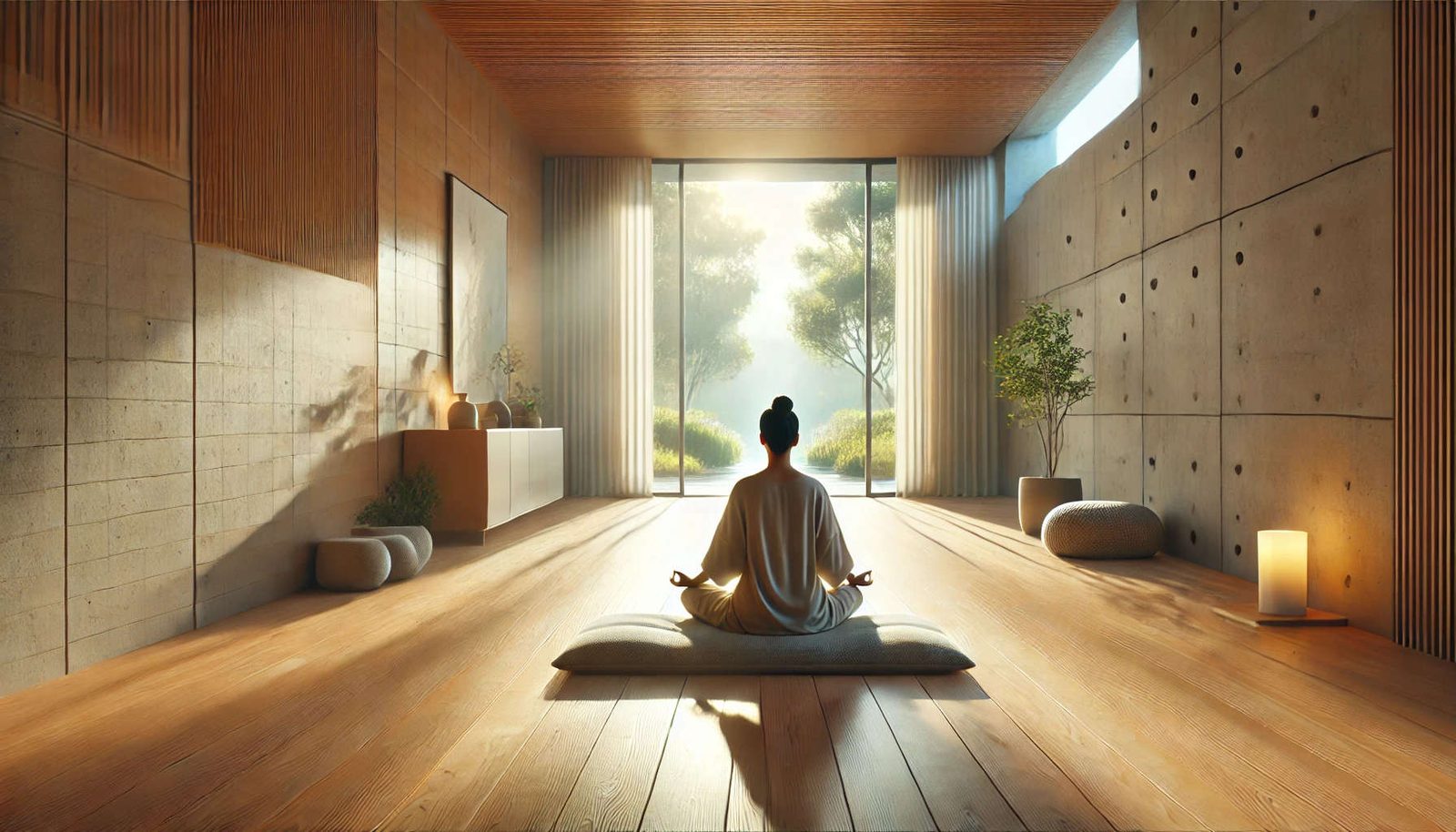
1.选择自然的坐姿
脊柱挺直
肩颈放松
双手自然放在腿上
眼睛轻轻闭上
身体越稳,心越稳。
2.以呼吸安定心
轻轻觉知呼吸:
吸气:知道自己在吸气
呼气:知道自己在呼气
不需要控制或调整,只是知道。
这是进入内观的入口。
二、第二步:建立觉知(从呼吸到身体)
当心稍微安定后,将觉知逐渐扩展。
1.觉知呼吸的细微变化
如:凉、暖、长、短、细、粗。
2.觉知身体的感觉
包括:
温度
酸麻
跳动
压力
轻重
放松
不适
任何感受都接纳、观察,不评价。
3.觉知身体的变化流动
所有感觉都在变化,
觉知变化,就是觉知无常。
三、第三步:观察念头(心念的生灭)
内观不仅观察身体,也观察心念。
1.念头出现时,说:这是一个念头
例如:
“这是担心。”
“这是计划。”
“这是生气。”
轻轻标记,立刻回到觉知。
2.不压抑、不追随
念头来时不赶走,
念头走时不抓住。
3.观察它如何生起、停留、消失
觉知这里的“生灭”,
就是内观的重要核心。
四、第四步:观察情绪(能量的波动)
情绪是能量,不是敌人。
1.觉知情绪的身体感受
愤怒 → 热
悲伤 → 沉
焦虑 → 跳动
恐惧 → 冷或收缩
2.允许情绪自然存在
不压制、不否认、不解释。
3.看见情绪也在生灭变化
当你能看见情绪,它的力量便会减弱。
五、第五步:观察无常、苦、无我(智慧生起)
内观最深处,不是放松,而是智慧。
1.观察无常
呼吸在变
感觉在变
念头在变
情绪在变
一切都在生灭
2.观察苦
执著于变化 → 就会苦
抗拒变化 → 也会苦
3.观察无我
没有任何体验是“我”或“属于我”。
身体在变,念头在变,情绪在变,
观察者本身也在变。
真正的“我”无法被抓住。
内观就是不断在当下看见这三法印。
六、第六步:回到觉知并安住当下(整合)
练习结束前,轻轻觉知:
身体
呼吸
当下的空间
此刻的心
让练习融入日常,而不是只停在坐垫上。
总结
内观不是技巧,而是看见。看见身体如实存在,看见念头如实升灭,看见情绪如实流动,看见生命如实无常。当你能如实观察,执著自然松开,智慧自然升起,心自然轻安而自由。内观,是回到真实生命的道路。
Date: 09/28/2024 09/29/2024
Location: Star River Meditation Center
Teacher: Yunquan Huang
Sitting Meditation
Steps of Vipassana: The Method of Insight Meditation
Vipassana means “seeing things as they truly are.” It is not imagining, analyzing, or controlling. It is direct observation of the body and mind in their natural state. Through clear awareness, Vipassana reveals impermanence, unsatisfactoriness, and non-self—the foundation of wisdom and liberation.
1.Step One: Settling the Body and Mind (Foundation)
Before insight arises, the mind must become steady.
1.Choose a natural posture
Straight spine
Relaxed shoulders
Hands resting
Eyes gently closed
2.Use the breath to stabilize
Gently notice:
Inhale: knowing you inhale
Exhale: knowing you exhale
No control—only awareness.
2.Step Two: Establishing Awareness (Breath → Body)
Once stable, expand awareness gradually.
1.Observe the breath’s subtle qualities
Coolness, warmth, length, depth, softness.
2.Observe bodily sensations
Such as:
Warmth
Pressure
Tingling
Pulsation
Tension
Relaxation
Nothing to change—only observe.
3.Observe sensation as a flow
Sensation is not static; noticing change is seeing impermanence.
3.Step Three: Observing Thoughts (Arising and Passing)
Vipassana includes observing the mind.
1.Label thoughts gently
“This is worry.”
“This is planning.”
“This is remembering.”
2.Do not suppress or follow
Thoughts come and go naturally.
3.Watch how they arise, stay briefly, and fade
Seeing their impermanence is insight.
4.Step Four: Observing Emotions (Waves of Energy)
Emotions are energy movements—not enemies.
1.Tune into bodily expressions of emotion
Anger → heat
Sadness → heaviness
Anxiety → vibration
Fear → contraction
2.Allow emotions to be present
No resistance, no judgment.
3.Notice emotional impermanence
Even strong emotions change and dissolve.
5.Step Five: Seeing Impermanence, Unsatisfactoriness, and Non-self
Deep insight arises naturally through observation.
1.See impermanence
Breath changes
Sensation changes
Thoughts change
Emotions change
Everything is arising and passing
2.See unsatisfactoriness
Clinging to change → suffering
Resisting change → suffering
3.See non-self
Nothing in experience is “me” or “mine.”
Body changes, mind changes, emotions change—
there is no solid self to grasp.
Vipassana is the direct realization of these truths.
6.Step Six: Returning and Integrating Awareness
Before ending practice, gently notice:
The body
The breath
The present moment
The quality of awareness
Let the clarity flow into daily life.
Conclusion
Vipassana is not about fixing or controlling life—it is about seeing.Seeing the body as it is,seeing thoughts as they arise and fade,seeing emotions as energy,seeing impermanence everywhere.When you observe with sincerity and clarity,clinging loosens,wisdom grows,and the heart becomes free.Vipassana is the path back to the truth of experience.