时间:11/15/2025 11/16/2025
地点:星河禅修中心
主讲:黄云全
斋食养生
柿子
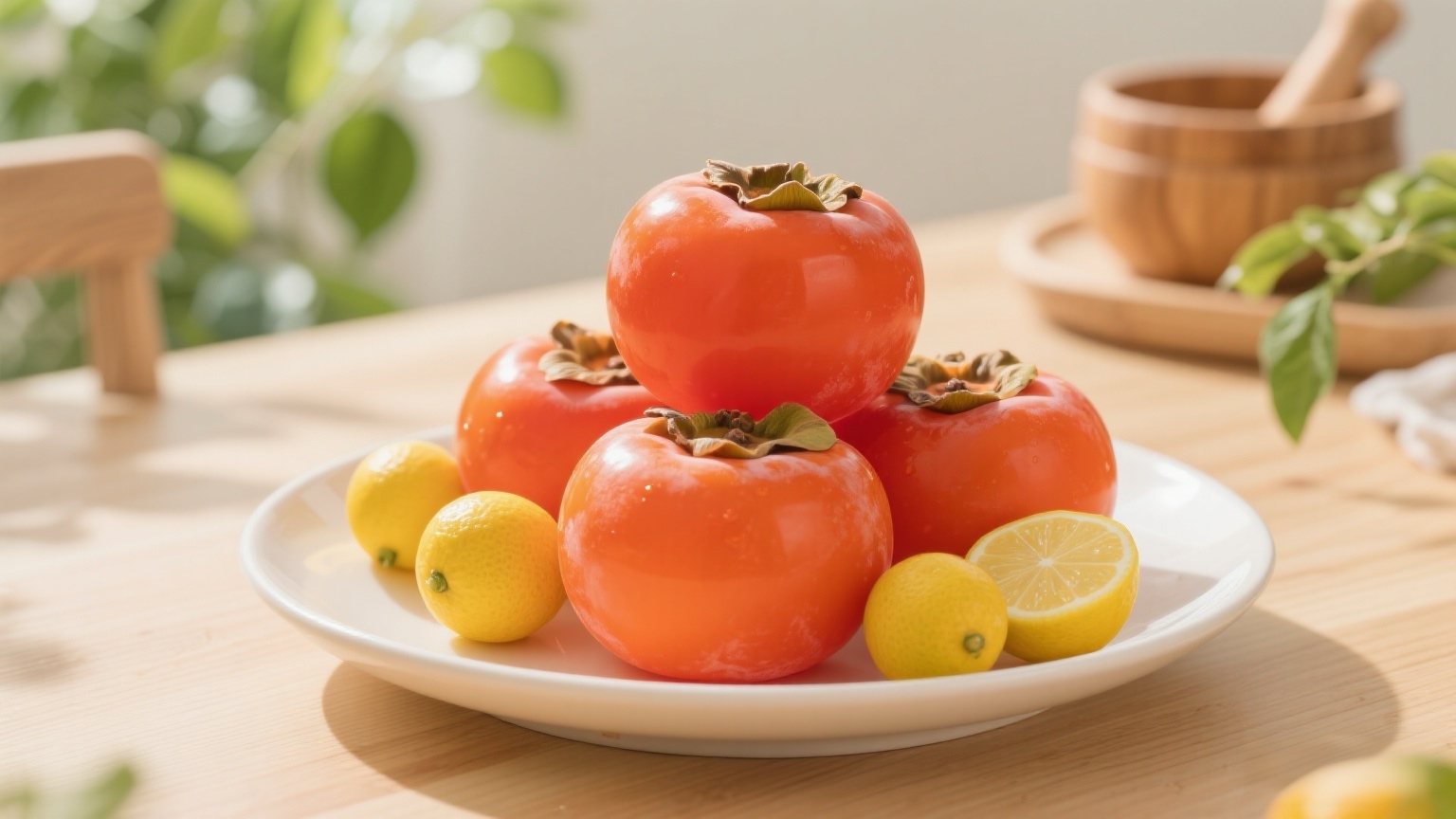
柿子:富含维生素与抗氧化物的甜美秋季水果
一、柿子是什么?
柿子(学名 Diospyros kaki)是一种原产于中国的秋季水果,属于柿属植物。柿子果实外皮光滑,色泽鲜艳,口感香甜,既可鲜食,也可制成果干、柿饼或用于烹饪。柿子富含多种营养成分,是秋冬季节理想的健康水果。
二、柿子的营养价值
柿子是一种低脂肪、高营养的水果,富含维生素、矿物质及抗氧化物质。主要营养成分包括:
1.维生素C:增强免疫力,促进皮肤健康,具有抗氧化作用。
2.β-胡萝卜素:可转化为维生素A,有助于保护视力和增强抗氧化能力。
3.膳食纤维:促进肠道蠕动,有助于消化健康。
4.钾:帮助维持体液平衡,调节血压。
5.单宁类物质:具有抗氧化作用,有助于减少自由基损害。
三、柿子的健康益处
1.增强免疫力:富含维生素C,有助于提升机体抵抗力。
2.促进消化健康:高膳食纤维含量有助于改善消化系统功能,减少便秘。
3.保护心血管健康:富含钾和抗氧化物,帮助调节血压,降低心血管疾病风险。
4.促进皮肤健康:β-胡萝卜素和维生素C有助于抗氧化,减少皮肤老化。
5.有助于维持眼部健康:β-胡萝卜素可转化为维生素A,帮助保护视力。
四、柿子的食用方式
1.鲜食柿子:成熟后直接食用,口感甜美。
2.柿饼:自然风干后制成柿饼,口感绵软甜润。
3.柿子果酱:熬制成果酱,可搭配面包、燕麦或甜品。
4.柿子入菜:可与谷物或豆类炖煮,增添天然甜味。
5.柿子汁:新鲜榨汁,口感顺滑,富含维生素C。
五、关于柿子的小知识
如何挑选优质柿子?
选择果皮光滑、色泽均匀、无裂痕的柿子。
柿子能不能空腹食用?
不建议空腹食用,以免刺激胃部,尤其是未成熟的柿子可能含有较高的单宁,会影响消化。
柿子适合每天食用吗?
适量食用有益健康,每天建议摄取1个中等大小的柿子,以均衡饮食。
总结
柿子是一种营养丰富、低脂肪、高膳食纤维的健康水果。适量食用柿子可增强免疫力、促进消化、保护心血管健康,并有助于皮肤和眼部健康。无论是鲜食、风干成柿饼、制作果酱或榨汁,柿子都是秋冬季节不可错过的美味水果。
Date: 11/15/2025 11/16/2025
Location: Star River Meditation Center
Teacher: Yunquan Huang
Buddhist Diet and Regimen
Persimmon
Persimmon: A Sweet and Antioxidant-Rich Autumn Fruit
1. What is Persimmon?
Persimmon (Diospyros kaki) is a seasonal fruit native to China, belonging to the Diospyros genus. Known for its smooth, vibrant skin and naturally sweet flavor, persimmons can be eaten fresh, dried into persimmon cakes, or used in various culinary preparations. Packed with essential nutrients, persimmons are a great addition to a healthy diet.
2. Nutritional Value of Persimmon
Persimmons are a low-fat, nutrient-dense fruit rich in vitamins, minerals, and antioxidants. Key nutrients include:
1.Vitamin C: Boosts immunity, promotes skin health, and acts as an antioxidant.
2.Beta-Carotene: Converts into vitamin A, supporting vision and enhancing antioxidant properties.
3.Dietary Fiber: Aids digestion and supports gut health.
4.Potassium: Helps regulate blood pressure and maintain fluid balance.
5.Tannins: Natural antioxidants that help reduce oxidative stress and free radical damage.
3. Health Benefits of Persimmon
1.Strengthens Immunity: High in vitamin C to support the body’s defense system.
2.Aids Digestive Health: Rich in fiber, helping prevent constipation and improve digestion.
3.Supports Heart Health: High potassium and antioxidants help regulate blood pressure and reduce cardiovascular risks.
4.Promotes Skin Health: Beta-carotene and vitamin C help slow aging and improve skin elasticity.
5.Maintains Eye Health: Beta-carotene converts into vitamin A, supporting vision health.
4. Best Ways to Eat Persimmon
1.Fresh Persimmon: Eaten raw when fully ripe for a sweet and juicy taste.
2.Dried Persimmon: Naturally air-dried to make persimmon cakes with a soft and chewy texture.
3.Persimmon Jam: Cooked into a spreadable jam for use on bread, oatmeal, or desserts.
4.Persimmon in Cooking: Added to grains or beans for natural sweetness.
5.Persimmon Juice: Freshly blended for a smooth, vitamin C-rich beverage.
5. Interesting Facts About Persimmon
How to Choose the Best Persimmon?
Look for smooth, evenly colored fruit without cracks or blemishes.
Can Persimmons Be Eaten on an Empty Stomach?
It is not recommended, as unripe persimmons contain high levels of tannins, which may affect digestion.
Is It Safe to Eat Persimmons Daily?
Yes, but moderation is key—one medium-sized persimmon per day is ideal for a balanced diet.
Conclusion
Persimmons are a nutrient-rich, fiber-packed, and antioxidant-loaded fruit that supports immunity, digestion, heart health, skin vitality, and vision. Whether eaten fresh, dried into persimmon cakes, turned into jam, or blended into juice, persimmons are a delicious and nutritious autumn fruit to enjoy.