时间:10/04/2025 10/05/2025
地点:星河禅修中心
主讲:黄云全
斋食养生
糯米
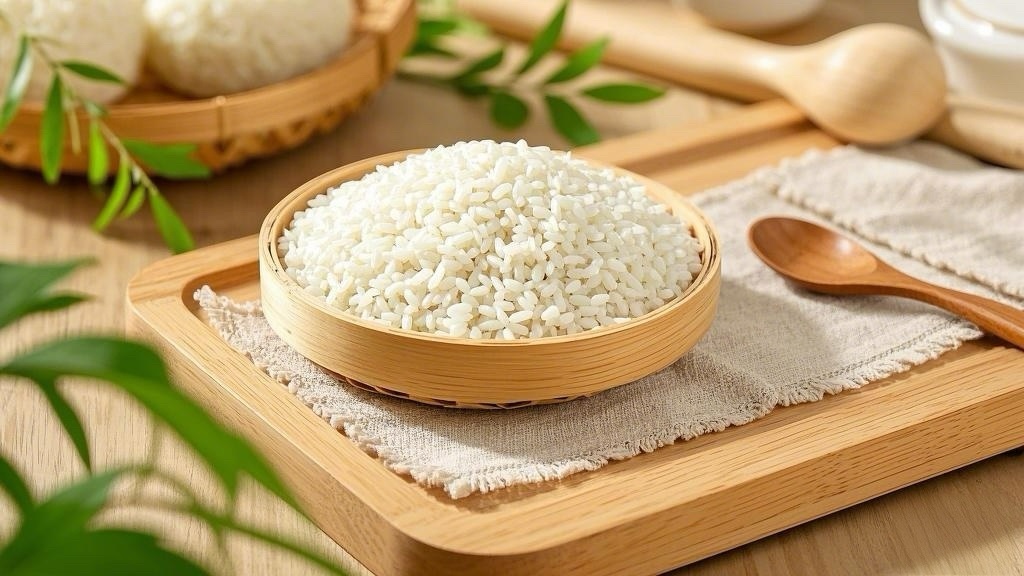
糯米:口感软糯、富含能量的传统谷物
一、糯米是什么?
糯米(学名 Oryza sativa var. glutinosa)是一种特殊品种的大米,以其高淀粉含量和粘性著称,广泛用于亚洲各国的传统食品制作。糯米蒸煮后口感软糯,适合制作粽子、汤圆、年糕等美食,是节庆和日常饮食的重要组成部分。
二、糯米的营养价值
糯米是一种高碳水化合物、富含矿物质的粮食,具有良好的能量补充作用。主要营养成分包括:
1.碳水化合物:提供持久能量,是日常饮食的优质热量来源。
2.B族维生素:有助于能量代谢,维持神经系统健康。
3.镁:有助于肌肉放松和神经系统稳定。
4.铁:支持血液循环,帮助预防贫血。
5.膳食纤维(部分糙糯米品种):有助于促进消化,增强肠道健康。
三、糯米的健康益处
1.提供持久能量:高碳水化合物含量使其成为优质的能量来源。
2.促进肠胃健康:适量食用温热的糯米食品有助于养护肠胃。
3.支持血液循环:富含铁和镁,有助于维持血红蛋白水平。
4.增强饱腹感:软糯口感和丰富的淀粉能有效增加饱腹感,减少过度饮食。
5.有助于肌肉放松:镁元素支持肌肉和神经功能,减少疲劳感。
四、糯米的食用方式
1.蒸糯米饭:单独蒸煮或与红枣、莲子等食材搭配,口感香糯。
2.糯米粥:熬煮成稠粥,适合温补肠胃。
3.糯米糕点:如年糕、汤圆、糯米团等,口感软糯可口。
4.糯米甜品:糯米可以与红豆、桂花等搭配制成甜点,如桂花糯米藕。
5.糯米炖汤:用于炖煮食材,增加汤品的黏稠口感。
五、关于糯米的小知识
如何挑选优质糯米?
选择颗粒饱满、色泽均匀、无异味的糯米。
糯米是否适合所有人食用?
糯米较粘,消化不良者或肠胃较弱者应适量食用。
糯米和普通大米的区别?
糯米含有更多的支链淀粉,使其更具粘性,而普通大米较为松散。
总结
糯米是一种营养丰富、口感软糯的粮食,富含碳水化合物、B族维生素、镁和铁。适量食用糯米可提供能量、支持消化、帮助血液循环,并增强饱腹感。无论是蒸饭、熬粥、做糕点还是炖汤,糯米都是健康饮食中的美味选择。
Date: 10/04/2025 10/05/2025
Location: Star River Meditation Center
Teacher: Yunquan Huang
Buddhist Diet and Regimen
Glutinous Rice
Glutinous Rice: A Soft and Energy-Rich Traditional Grain
1. What is Glutinous Rice?
Glutinous rice (Oryza sativa var. glutinosa), also known as sticky rice, is a unique variety of rice known for its high starch content and sticky texture when cooked. It is widely used in traditional Asian cuisine for making dumplings, rice cakes, and desserts, playing an important role in festive and daily meals.
2. Nutritional Value of Glutinous Rice
Glutinous rice is a high-carbohydrate, mineral-rich grain that provides a steady energy source. Key nutrients include:
1.Carbohydrates: Provides long-lasting energy and sustains daily activities.
2.B Vitamins: Supports energy metabolism and nervous system health.
3.Magnesium: Helps muscle relaxation and supports nervous system stability.
4.Iron: Aids blood circulation and helps prevent anemia.
5.Dietary Fiber (in some whole-grain varieties): Promotes digestion and gut health.
3. Health Benefits of Glutinous Rice
1.Sustained Energy Release: Its high carbohydrate content makes it an excellent energy source.
2.Supports Digestive Health: Warm, soft glutinous rice dishes can be soothing for the stomach.
3.Boosts Blood Circulation: Rich in iron and magnesium, supporting hemoglobin production.
4.Enhances Satiety: Its sticky texture and starch content provide a prolonged feeling of fullness.
5.Relaxes Muscles and Reduces Fatigue: Magnesium content supports muscle function and reduces tiredness.
4. Best Ways to Eat Glutinous Rice
1.Steamed Glutinous Rice: Cooked plain or combined with red dates and lotus seeds for extra flavor.
2.Glutinous Rice Porridge: A thick, slow-cooked dish that is gentle on the digestive system.
3.Rice Cakes and Dumplings: Used in traditional treats like mochi, tangyuan, and sticky rice balls.
4.Sweet Desserts: Combined with red beans and floral ingredients like osmanthus for delicious sweets.
5.Glutinous Rice in Soups: Used to thicken broths and add a smooth texture to soups.
5. Interesting Facts About Glutinous Rice
How to Choose the Best Glutinous Rice?
Look for plump, uniform grains with a clean, fresh aroma.
Is Glutinous Rice Suitable for Everyone?
Due to its sticky nature, individuals with digestive issues should consume it in moderation.
What Makes Glutinous Rice Different from Regular Rice?
It has a higher amylopectin content, giving it a stickier texture than regular rice, which remains more separated when cooked.
Conclusion
Glutinous rice is a nutrient-rich grain with a soft, sticky texture, high in carbohydrates, B vitamins, magnesium, and iron. It provides lasting energy, supports digestion, boosts circulation, and promotes satiety. Whether steamed, made into porridge, rice cakes, or desserts, glutinous rice is a delicious and versatile addition to a healthy diet.