时间:08/09/2025 08/10/2025
地点:星河禅修中心
主讲:黄云全
斋食养生
卷心菜
卷心菜:富含维生素与膳食纤维的健康蔬菜
一、卷心菜是什么?
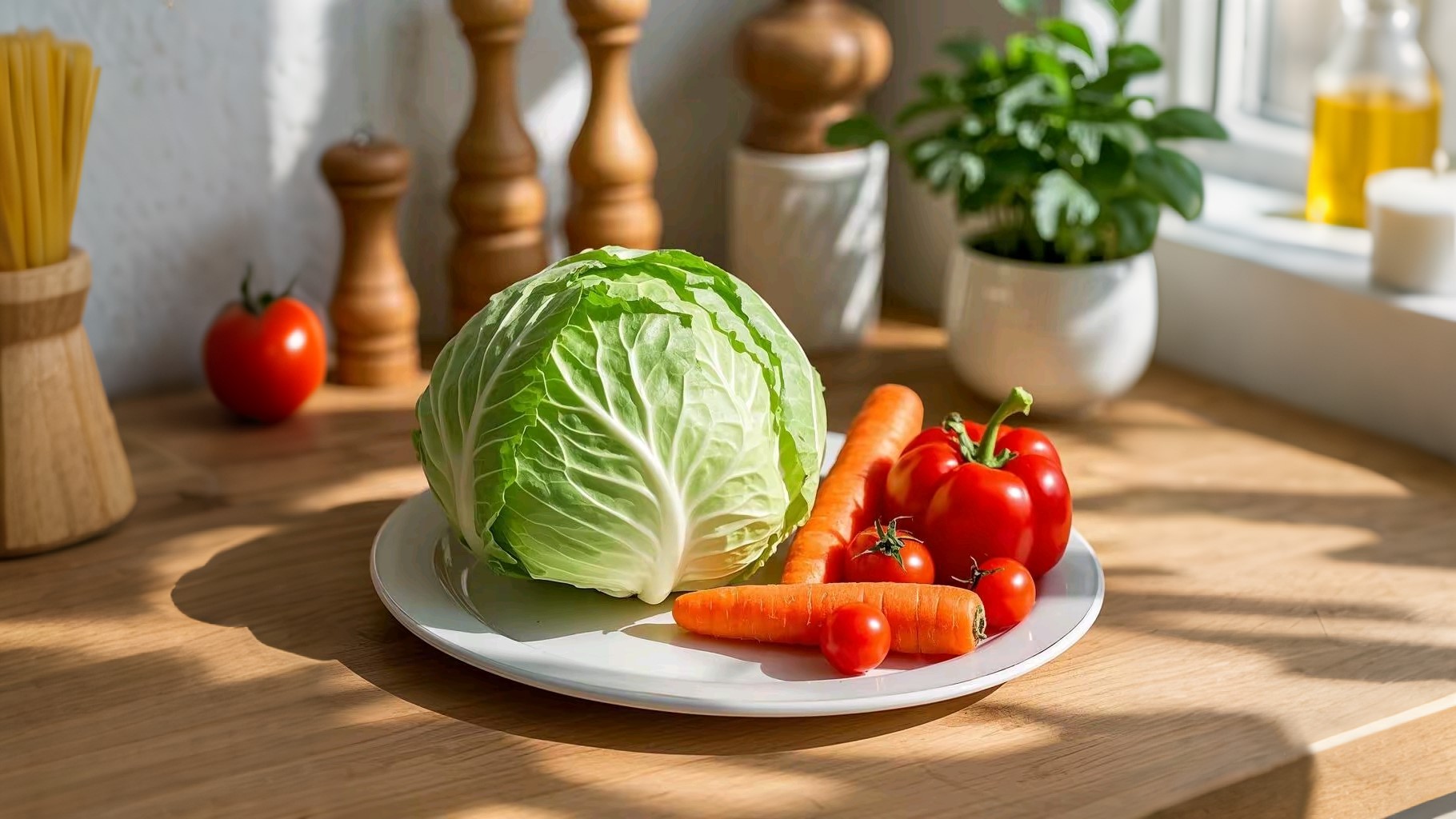
卷心菜(学名 Brassica oleracea var. capitata),又称洋白菜、甘蓝,是一种广受欢迎的十字花科蔬菜。其叶片紧密包裹成球状,口感脆嫩,味道清甜,适合生吃、炒制、炖煮或腌制,是日常饮食中不可或缺的营养食材。
二、卷心菜的营养价值
卷心菜是一种低热量、高营养的蔬菜,富含多种维生素、矿物质及植物化合物,主要营养成分包括:
1.维生素C:增强免疫力,促进胶原蛋白合成,有助于皮肤健康。
2.膳食纤维:促进肠道蠕动,改善消化系统功能。
3.维生素K:有助于维持骨骼健康,促进血液凝固功能。
4.叶酸:支持细胞生成和修复,适合孕妇补充营养。
5.抗氧化物质(如硫代葡萄糖苷):帮助减少自由基损害,具有抗氧化和抗炎作用。
三、卷心菜的健康益处
1.增强免疫力:富含维生素C和抗氧化物质,有助于提高身体抵抗力。
2.促进消化健康:膳食纤维帮助调节肠道菌群,减少消化不良。
3.支持心血管健康:低热量、高钾含量,有助于调节血压,降低心血管疾病风险。
4.有助于骨骼健康:维生素K能帮助钙吸收,维护骨骼强度。
5.抗氧化与抗炎作用:植物化合物能减少自由基损害,降低慢性疾病风险。
四、卷心菜的食用方式
1.生食沙拉:切丝后搭配坚果、橄榄油等调味,口感清脆爽口。
2.清炒卷心菜:简单翻炒,保留原汁原味,鲜嫩可口。
3.炖煮卷心菜:与豆类、菌菇等炖煮,口感软嫩,营养丰富。
4.卷心菜汤:加入胡萝卜、豆腐等食材,制作清爽营养的汤品。
5.腌制卷心菜:做成泡菜或发酵食品,增加风味并促进肠道健康。
五、关于卷心菜的小知识
如何挑选优质卷心菜?
选择外叶紧实、颜色鲜绿、无虫害的卷心菜。
卷心菜需要焯水吗?
部分菜品可焯水,以减少草酸并保持口感。
卷心菜适合天天食用吗?
适量食用对健康有益,可均衡补充多种维生素和矿物质。
总结
卷心菜是一种营养丰富、低热量的健康蔬菜,富含维生素C、膳食纤维、维生素K和抗氧化物质。适量食用卷心菜有助于增强免疫力、促进消化、保护心血管健康,并支持骨骼强度。无论是生吃、清炒、炖汤还是腌制,卷心菜都是健康饮食的理想选择。
Date: 08/09/2025 08/10/2025
Location: Star River Meditation Center
Teacher: Yunquan Huang
Buddhist Diet and Regimen
Cabbage
Cabbage: A Nutrient-Rich Vegetable Packed with Vitamins and Fiber
1. What is Cabbage?
Cabbage (Brassica oleracea var. capitata) is a popular cruciferous vegetable with tightly packed leaves forming a round or oval head. It has a crisp texture and mildly sweet flavor, making it a versatile ingredient for raw salads, stir-fries, soups, and fermented dishes.
2. Nutritional Value of Cabbage
Cabbage is a low-calorie, high-nutrient vegetable packed with essential vitamins, minerals, and plant compounds. Key nutrients include:
1.Vitamin C: Strengthens the immune system, supports collagen production, and promotes skin health.
2.Dietary Fiber: Aids digestion and supports gut health.
3.Vitamin K: Plays a crucial role in bone health and blood clotting.
4.Folate: Supports cell growth and repair, making it beneficial for pregnant women.
5.Antioxidants (such as Glucosinolates): Help protect cells from oxidative stress and inflammation.
3. Health Benefits of Cabbage
1.Boosts Immunity: High vitamin C and antioxidants help strengthen the body’s defense system.
2.Aids Digestive Health: Rich in fiber, supporting gut bacteria and reducing digestive issues.
3.Supports Heart Health: Low in calories and high in potassium, helping regulate blood pressure.
4.Promotes Bone Health: Vitamin K enhances calcium absorption and strengthens bones.
5.Provides Antioxidant and Anti-Inflammatory Benefits: Plant compounds reduce oxidative damage and inflammation.
4. Best Ways to Eat Cabbage
1.Raw in Salads: Shredded and mixed with nuts, olive oil, or a light dressing for a crunchy dish.
2.Stir-Fried Cabbage: Lightly cooked to retain its crisp texture and natural sweetness.
3.Braised Cabbage: Simmered with legumes and mushrooms for a hearty meal.
4.Cabbage Soup: Combined with carrots and tofu for a light, nutritious broth.
5.Fermented Cabbage: Made into sauerkraut or pickled cabbage to enhance gut health and add flavor.
5. Interesting Facts About Cabbage
How to Choose the Best Cabbage?
Look for firm, dense heads with fresh, vibrant green leaves.
Should Cabbage Be Blanched?
Some dishes benefit from blanching to reduce oxalates and retain texture.
Can Cabbage Be Eaten Daily?
Yes, moderate daily consumption provides essential vitamins and minerals for overall health.
Conclusion
Cabbage is a nutrient-dense, low-calorie vegetable rich in vitamin C, fiber, vitamin K, and antioxidants. Regular consumption supports immunity, digestion, heart health, and bone strength. Whether eaten raw, stir-fried, simmered in soups, or fermented, cabbage is a versatile and healthy addition to any diet.