时间:02/15/2025 02/16/2025
地点:星河禅修中心
主讲:黄云全
斋食养生
彩椒
彩椒:色彩缤纷的营养蔬菜
一、彩椒是什么?
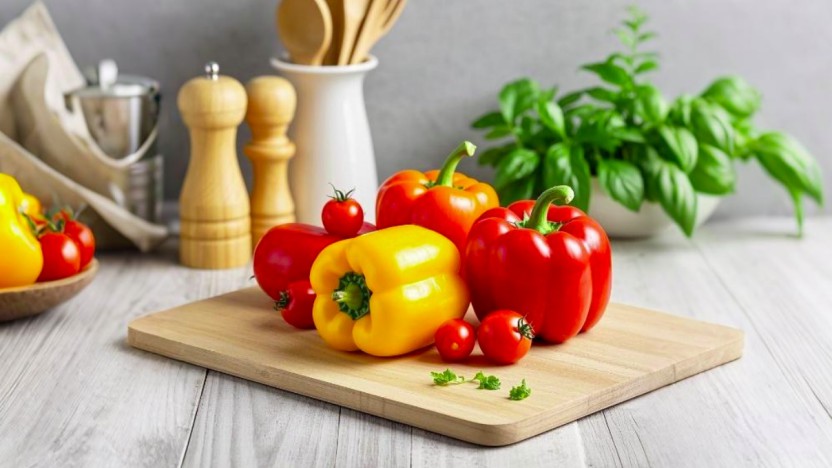
彩椒(学名 Capsicum annuum)是一种甜椒,因其颜色丰富、味道清甜而得名。彩椒主要有红色、黄色和绿色三种常见品种,每种颜色的彩椒都有独特的营养成分和风味。彩椒不仅适合生食,还可用于炒菜、炖煮和烘焙,是素食者饮食中的理想食材。
二、彩椒的营养价值
彩椒不仅低热量,还富含多种维生素和抗氧化物质,主要营养成分包括:
1.维生素C:含量极高,帮助增强免疫力,促进胶原蛋白合成。
2.β-胡萝卜素:有助于维护视力健康,保护皮肤。
3.膳食纤维:促进肠道健康,改善消化功能。
4.钾:有助于维持体内电解质平衡,调节血压。
5.抗氧化物质(花青素、类黄酮):有助于降低自由基损害,保护细胞健康。
三、彩椒的健康益处
1.增强免疫力:丰富的维生素C有助于提高身体抗病能力。
2.保护视力:β-胡萝卜素有助于维持眼睛健康,减少视力退化的风险。
3.支持心血管健康:高钾低钠的特性有助于调节血压,保护心脏。
4.促进肠道健康:膳食纤维帮助改善消化系统,预防便秘。
5.抗氧化抗衰老:多种抗氧化物质有助于减少自由基损害,延缓衰老。
四、彩椒的食用方式
1.生食彩椒:切丝或切块,直接食用,口感爽脆。
2.彩椒炒菜:与菌菇、豆腐等搭配炒制,色香味俱全。
3.彩椒烤制:烘烤后味道更甘甜,口感更丰富。
4.彩椒炖煮:与豆类、茄子等慢炖,口感软糯,营养丰富。
5.彩椒沙拉:搭配其他蔬果,增添清爽风味。
五、关于彩椒的小知识
不同颜色的彩椒有何区别?
红椒甜度较高,抗氧化成分丰富;黄椒口感温和,维生素C含量较高;绿椒味道清新,膳食纤维含量较高。
如何挑选优质彩椒?
选择表皮光滑、色泽鲜艳、手感结实的彩椒最佳。
彩椒可以生吃吗?
可以,生食可最大程度保留维生素C等营养成分。
总结
彩椒是一种色彩丰富、口感鲜甜的健康蔬菜,富含维生素C、β-胡萝卜素、膳食纤维和抗氧化物质。适量食用彩椒不仅能增强免疫力、保护视力、促进肠道健康,还能支持心血管健康、抗氧化抗衰老。无论是生吃、炒制、烤制还是炖煮,彩椒都是健康饮食的理想选择。
Date: 02/15/2025 02/16/2025
Location: Star River Meditation Center
Teacher: Yunquan Huang
Buddhist Diet and Regimen
Bell Peppers
Bell Peppers: A Colorful and Nutritious Vegetable
1. What are Bell Peppers?
Bell peppers (Capsicum annuum) are a type of sweet pepper known for their vibrant colors and mild, sweet taste. They come in various colors, including red, yellow, and green, each with unique flavors and nutritional benefits. Bell peppers can be eaten raw, stir-fried, roasted, or cooked in stews, making them a versatile ingredient in plant-based diets.
2. Nutritional Value of Bell Peppers
Bell peppers are low in calories but rich in essential vitamins and antioxidants. Key nutrients include:
1.Vitamin C: Extremely high content, boosting immunity and collagen production.
2.Beta-Carotene: Supports eye health and protects the skin.
3.Dietary Fiber: Aids digestion and promotes gut health.
4.Potassium: Helps regulate electrolyte balance and maintain blood pressure.
5.Antioxidants (Anthocyanins & Flavonoids): Protects cells from free radical damage.
3. Health Benefits of Bell Peppers
1.Boosts Immunity: Rich in vitamin C, bell peppers strengthen the body’s defense against infections.
2.Supports Eye Health: Beta-carotene helps maintain vision and reduces the risk of age-related eye diseases.
3.Promotes Heart Health: High potassium and low sodium content help regulate blood pressure.
4.Aids Digestion: Dietary fiber supports a healthy gut and prevents constipation.
5.Anti-Aging & Antioxidant Protection: Powerful antioxidants help reduce oxidative stress and slow aging.
4. Best Ways to Eat Bell Peppers
1.Raw Bell Peppers: Sliced or diced for a crisp and refreshing snack.
2.Stir-Fried Bell Peppers: Cooked with mushrooms or tofu for a flavorful dish.
3.Roasted Bell Peppers: Brings out their natural sweetness and enhances texture.
4.Bell Pepper Stews: Slow-cooked with legumes and eggplant for a hearty meal.
5.Bell Pepper Salad: Mixed with other fruits and vegetables for a fresh and nutritious dish.
5. Interesting Facts About Bell Peppers
What’s the difference between different-colored bell peppers?
Red peppers are the sweetest and richest in antioxidants; yellow peppers have the highest vitamin C content; green peppers have a fresh, slightly bitter taste and are higher in fiber.
How to Choose the Best Bell Peppers?
Look for smooth, firm peppers with bright colors and no wrinkles.
Can Bell Peppers Be Eaten Raw?
Yes! Eating them raw preserves the most vitamin C and other essential nutrients.
Conclusion
Bell peppers are a vibrant, sweet, and nutritious vegetable packed with vitamin C, beta-carotene, fiber, and antioxidants. Regular consumption supports immunity, eye health, digestion, heart function, and anti-aging. Whether raw, stir-fried, roasted, or cooked in stews, bell peppers are a delicious and health-boosting addition to any diet.