时间:11/14/2026 11/15/2026
地点:星河禅修中心
主讲:陈双双
斋食养生
西瓜
西瓜:清甜解渴的夏季水润之果
一、西瓜是什么?
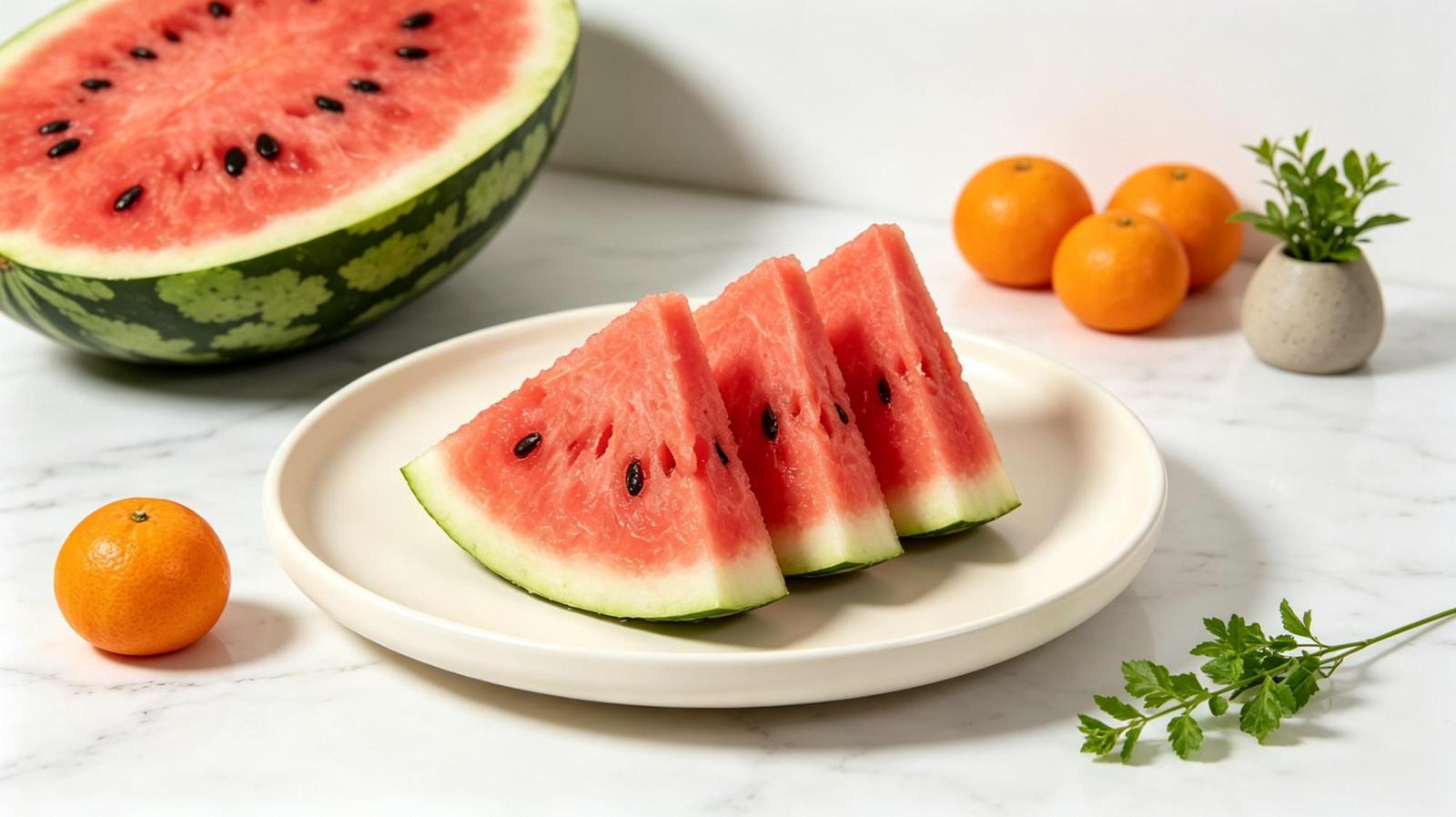
西瓜(学名 Citrullus lanatus)是葫芦科植物的果实,原产于非洲,现广泛种植于全球各地。西瓜果皮光滑坚韧,果肉多为红色或黄色,水分极为丰富,清甜可口,是夏季最受欢迎的消暑水果之一。
二、西瓜的营养价值
西瓜不仅水分含量高,还富含多种维生素、矿物质和抗氧化物质。主要营养成分包括:
1.水分:含量高达90%以上,补充身体水分。
2.维生素C:增强免疫力,帮助抗氧化。
3.番茄红素:天然抗氧化成分,有助于保护细胞健康。
4.钾:帮助维持体液平衡,调节血压。
5.膳食纤维:有助于促进肠道蠕动,维持消化健康。
三、西瓜的健康益处
1.补水消暑:水分含量极高,清热解暑,补充因出汗流失的水分。
2.增强免疫力:维生素C与番茄红素协同,帮助增强抵抗力。
3.保护心血管健康:钾与番茄红素共同作用,支持血压稳定与血管健康。
4.促进消化:膳食纤维帮助肠道蠕动,改善排便情况。
5.抗氧化抗衰老:番茄红素有效清除自由基,减少氧化损伤。
四、西瓜的食用方式
1.鲜食西瓜:切块直接食用,清甜解渴。
2.西瓜汁:榨汁后冰镇,清凉爽口。
3.西瓜沙拉:搭配薄荷叶或坚果,增加口感层次。
4.西瓜冰沙:打成果泥冰沙,冰爽解暑。
5.西瓜盅:掏空果肉,搭配杂粮粥或水果丁,营养丰富。
五、关于西瓜的小知识
如何挑选优质西瓜?
选择表皮光滑、纹路清晰、敲击声音清脆、底部发黄的西瓜。
西瓜适合天天吃吗?
适量食用有益健康,尤其夏季适合解暑,但不建议一次大量食用。
哪些人群要适量?
血糖偏高、脾胃虚寒的人应适量食用。
总结
西瓜是一种水分极为丰富、富含维生素C、番茄红素和钾的夏季水果。适量食用西瓜有助于补水消暑、增强免疫力、保护心血管、促进消化并抗氧化抗衰老。无论鲜食、榨汁、做冰沙还是入沙拉,西瓜都是夏季清凉解渴的美味选择。
Date: 11/14/2026 11/15/2026
Location: Star River Meditation Center
Teacher: Shuangshuang Chen
Buddhist Diet and Regimen
Watermelon
Watermelon: A Hydrating and Refreshing Summer Superfruit
1. What is Watermelon?
Watermelon (Citrullus lanatus) is a fruit from the gourd family, originally native to Africa and now cultivated worldwide. With its smooth green rind and juicy red or yellow flesh, watermelon is loved for its sweet flavor and exceptional hydration, making it a top summer fruit.
2. Nutritional Value of Watermelon
Watermelon is over 90% water and also contains important vitamins, minerals, and antioxidants. Key nutrients include:
1.Water: Over 90%, ideal for rehydration.
2.Vitamin C: Supports immunity and provides antioxidant protection.
3.Lycopene: A powerful antioxidant that protects cells from damage.
4.Potassium: Helps balance body fluids and supports healthy blood pressure.
5.Dietary Fiber: Supports digestion and regular bowel movements.
3. Health Benefits of Watermelon
1.Hydrates and Cools: Extremely high water content replenishes lost fluids and helps cool the body.
2.Boosts Immunity: Vitamin C and lycopene enhance immune defense and antioxidant protection.
3.Supports Heart Health: Potassium and lycopene help maintain healthy blood pressure and cardiovascular function.
4.Aids Digestion: Dietary fiber supports gut health and bowel regularity.
5.Provides Antioxidant Protection: Lycopene helps neutralize free radicals, slowing aging and cell damage.
4. Best Ways to Eat Watermelon
1.Fresh Slices: Eaten raw for a naturally sweet, hydrating snack.
2.Watermelon Juice: Freshly blended and served chilled for a refreshing drink.
3.Watermelon Salad: Combined with mint leaves or nuts for a vibrant side dish.
4.Watermelon Slush: Blended into a frozen slush for a cooling treat.
5.Watermelon Bowl: Hollowed-out watermelon filled with mixed grains or fruits for a creative dish.
5. Interesting Facts About Watermelon
How to Choose a Good Watermelon?
Look for smooth skin, clear stripes, a yellowish bottom, and a hollow sound when tapped.
Can You Eat Watermelon Every Day?
Moderate daily consumption is fine, especially in summer, but avoid overeating large amounts at once.
Who Should Eat in Moderation?
People with high blood sugar or sensitive digestion should consume smaller portions.
Conclusion
Watermelon is a hydrating, nutrient-dense fruit rich in vitamin C, lycopene, potassium, and fiber. Regular consumption supports hydration, immunity, heart health, digestion, and antioxidant protection. Whether eaten fresh, juiced, or blended into slushies, watermelon is a delicious and nutritious way to stay cool all summer long.