时间:09/05/2026 09/06/2026
地点:星河禅修中心
主讲:黄云全
佛法修行
贫女供灯
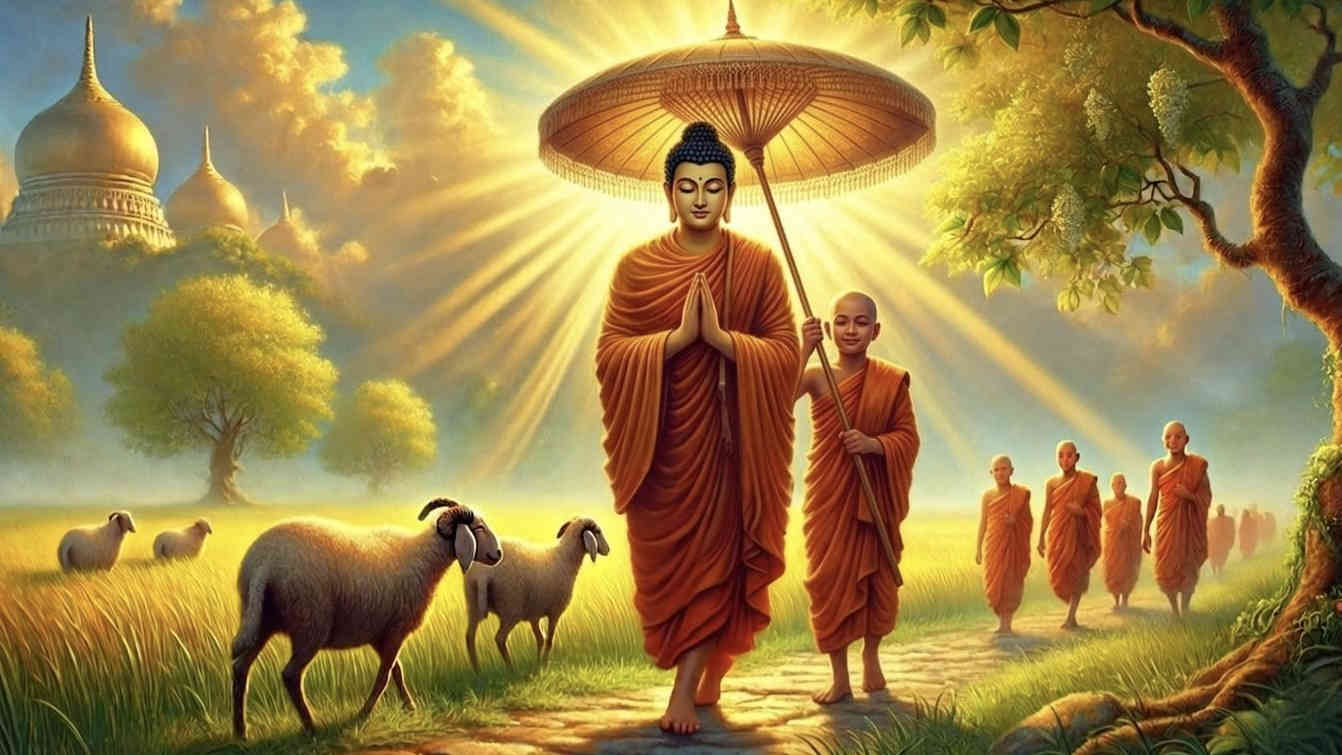
佛陀住在舍卫国祇树给孤独园时,每天总有数以万计的人们去向他求法,带了衣食等物品去供养。
舍卫城里有一个贫穷的孤女难陀,也常常去听闻佛陀说法,眼看国王大臣等富有的弟子不断以名贵的东西供养佛陀,而自己却做不到,她很伤心。当然,连一顿饭都向人乞讨的她,哪来的东西供养佛陀呢?
可是,佛法告诉人,「欲知前世因,今生受者是」,命运不好,怨谁?难陀深知这些道理,她知道唯有布施才能转变贫穷的命运,她知道假如有智慧,就会种善因,不致于受苦。
这天,难陀很欢喜,因为她乞得一件旧衣,换得一文钱,以一文钱换得一盏灯油,她将有一盏光明的灯供养佛陀。
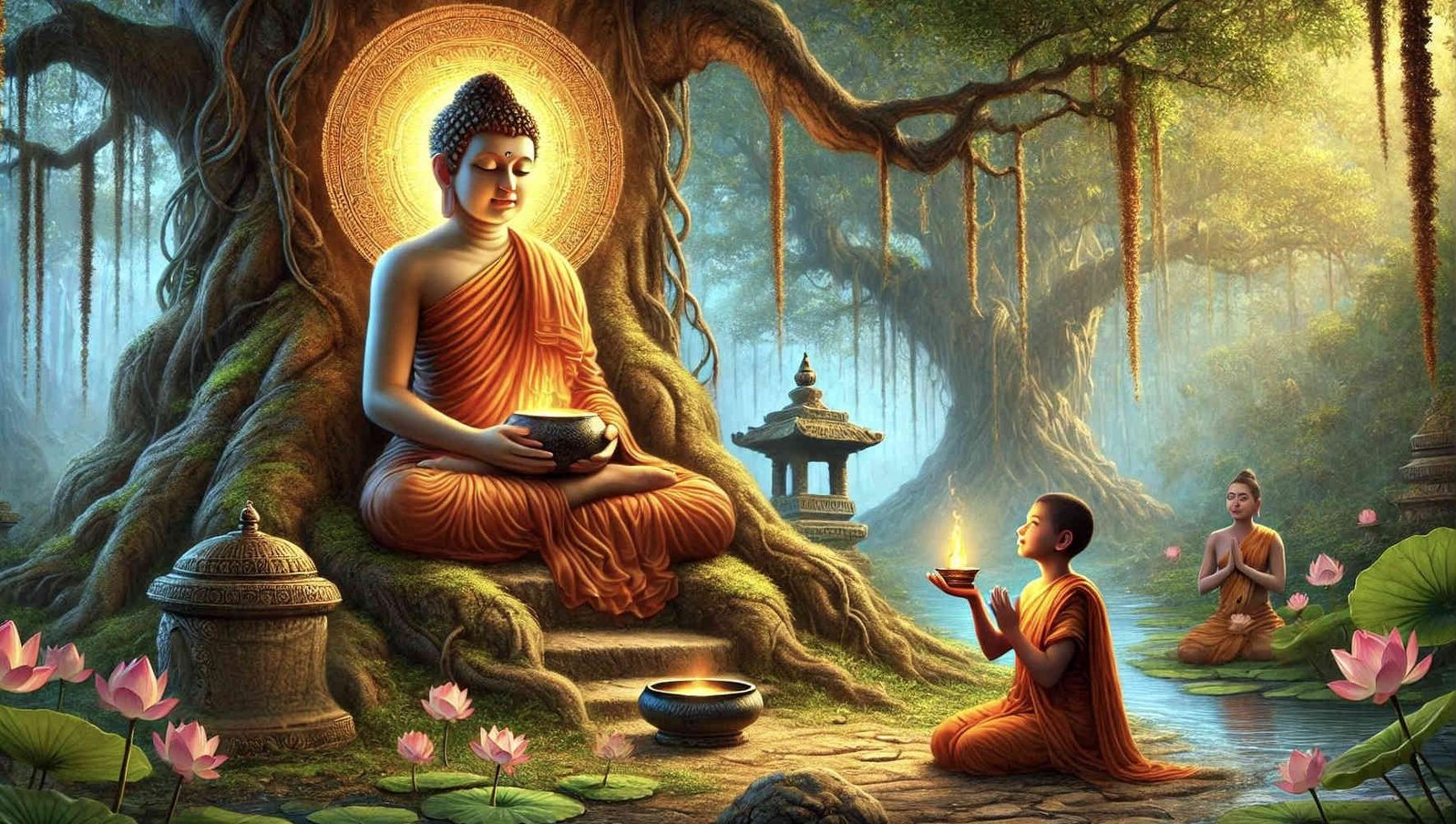
难陀终于如愿地在佛前燃起了一盏灯。这时,她站在佛陀的面前合掌顶礼,至诚恳切地发出她的心愿:「愿这盏灯的光明,除却我多生以来心中的暗昧,消除过去的罪障,获得大智大慧。佛陀!请您加被我!」
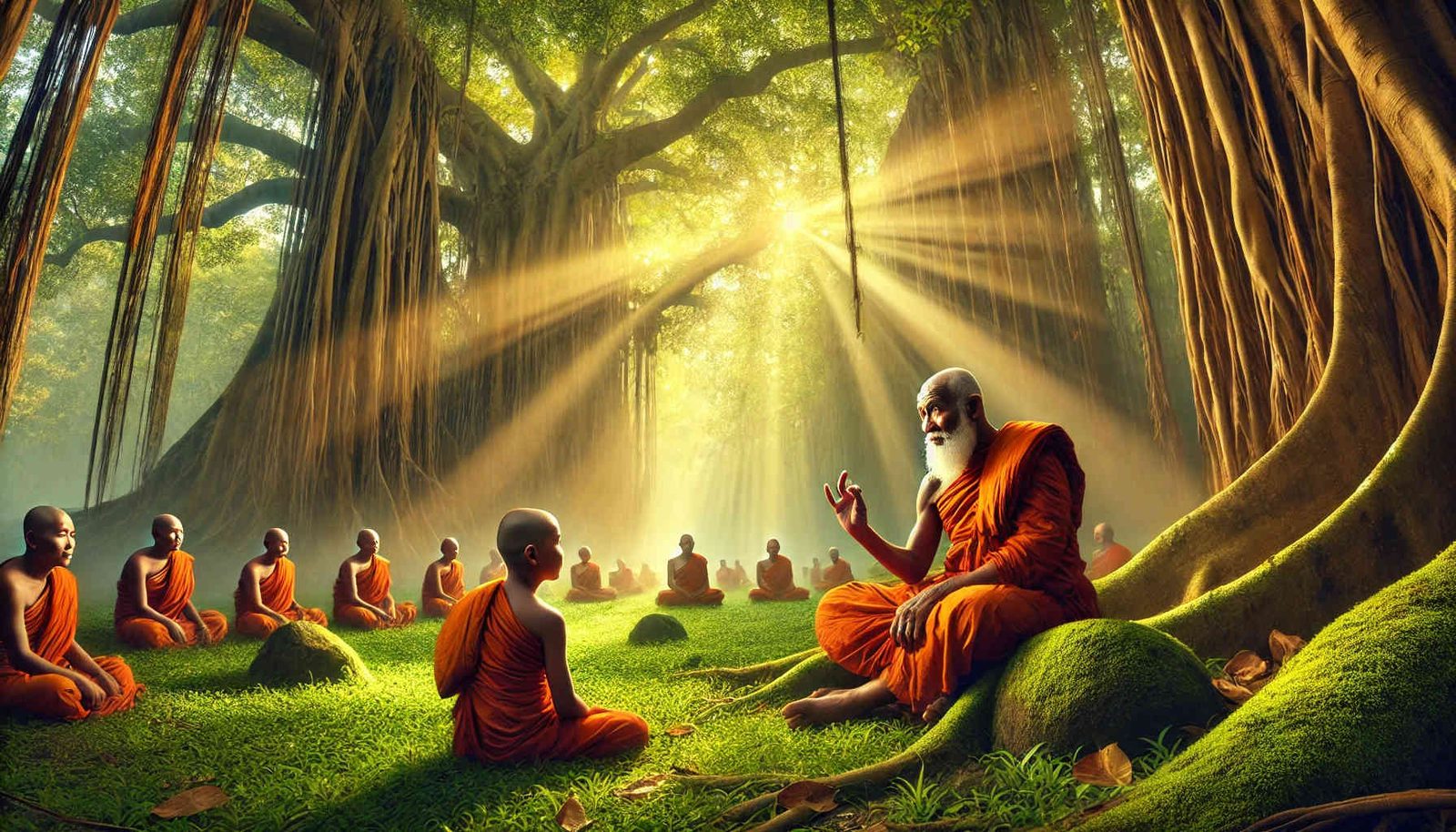
人人都祈望自己的前途光明,所以在佛前有许多灯盏。翌日,天亮前,目犍连去巡视灯供,发现国王和大臣们的灯盏余下微弱的亮光,难陀的灯盏却灯炷如新,光亮异常。
天亮后,目犍连用扇子要去熄灭灯盏时,不管怎样用力也灭不掉难陀的灯火,而其他的灯火,却在不知不觉中熄灭了。目犍连觉得很奇怪,就去问佛陀,佛陀为他解释道:「这盏灯火,不仅用手,就是倾四大海的海水来浇泼,暴风来吹袭,也不能熄灭,因为是主人发菩提心所布施的。目犍连!一个人在布施时,假如存有轻慢心或沽名钓誉的企图,所得的功德一定很微薄,即使布施很多物品,也是有为的功德。」
佛陀说到这里,难陀来朝礼佛陀,佛陀慈和地伸出手,抚摸难陀的头顶,为她授记道:「在未来阿僧祇劫中,你将成佛,佛号灯光,具有十种佛陀的尊号。」于是难陀就在佛陀的僧团出家为比丘尼。
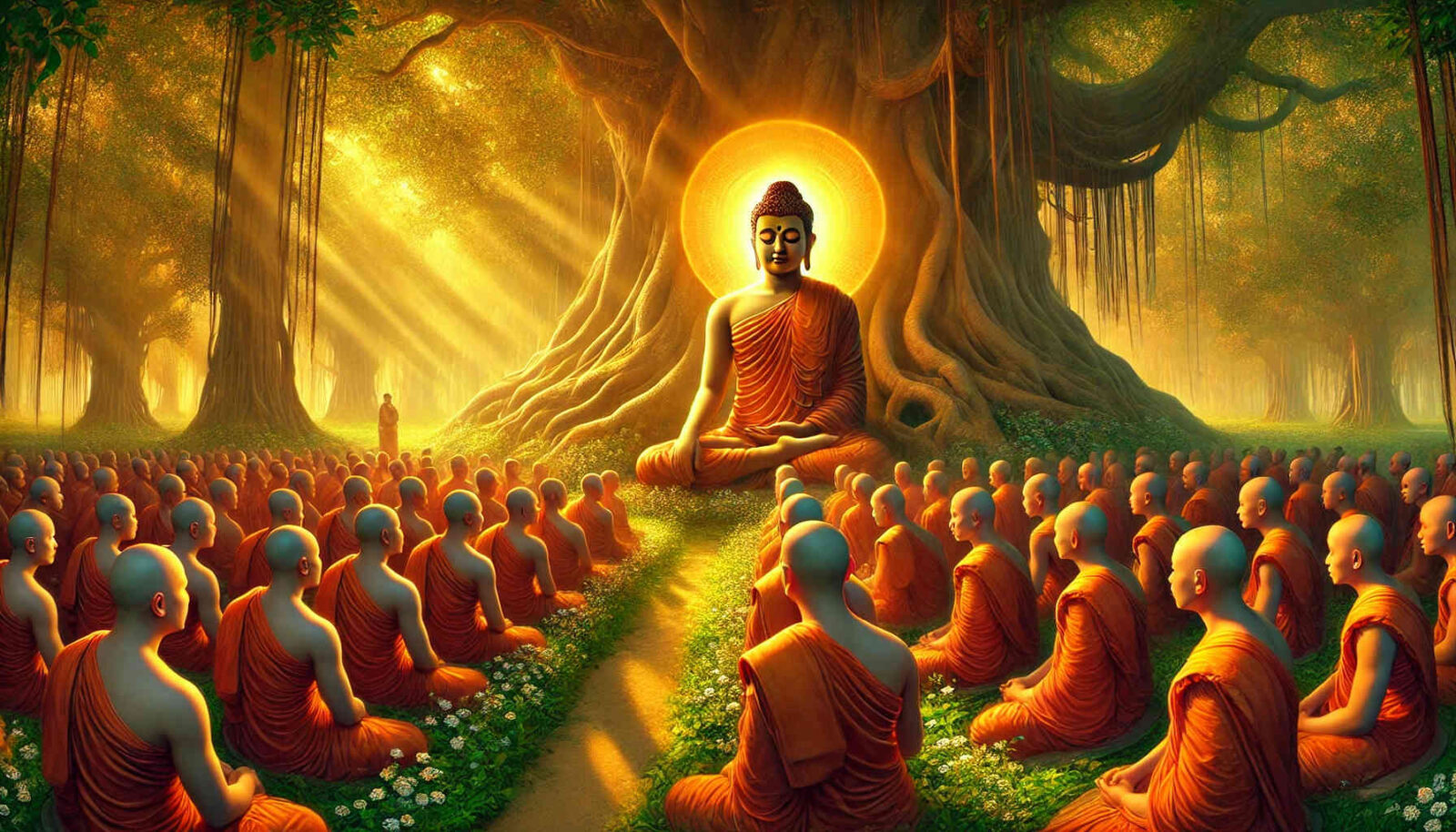
法会中许多四众弟子听闻佛陀这席话,欢喜发愿奉持布施,愿把心光点亮供奉佛陀。
Date: 09/05/2026 09/06/2026
Location: Star River Meditation Center
Teacher: Yunquan Huang
Dharma Talk
The Poor Girl Offering a Lamp
While the Buddha was residing at Jetavana Monastery, countless people came each day to seek the Dharma, bringing food, clothing, and other offerings.
In the city of Śrāvastī, there lived a poor orphan girl named Nanda. She, too, often went to listen to the Buddha’s teachings. Seeing kings, ministers, and wealthy disciples offering precious items to the Buddha while she had nothing to give, she felt deeply saddened. After all, she herself had to beg even for a single meal—how could she possibly make offerings?
Yet the Dharma teaches: “If you wish to know the causes of past lives, look at what you receive in this life.” Nanda understood this well. She knew that only through generosity could one transform a life of poverty. With wisdom, one plants good causes and avoids suffering.
One day, Nanda was filled with joy. She had obtained an old piece of clothing through begging and exchanged it for a single coin. With that coin, she bought a small amount of oil—enough to light one lamp. At last, she could offer a light before the Buddha.
She went before the Buddha and lit her lamp. Then, with palms joined, she bowed deeply and made a sincere vow:
“May the light of this lamp dispel the darkness in my heart accumulated over countless lifetimes. May it remove my past karmic obstacles and grant me great wisdom. Buddha, please bless me!”
Many people wished for brightness in their future, so numerous lamps were lit before the Buddha.
The next morning, before dawn, Maudgalyāyana went to inspect the lamps. He saw that the lamps offered by kings and ministers were flickering faintly, nearly extinguished. But Nanda’s lamp burned brightly, its wick as fresh as new.
At daybreak, Maudgalyāyana tried to extinguish the lamps with a fan. No matter how hard he tried, he could not put out Nanda’s lamp, while the others went out effortlessly. Astonished, he went to ask the Buddha.
The Buddha explained:
“This lamp cannot be extinguished—not even by pouring the waters of the four great oceans upon it, nor by fierce winds. Why? Because it was offered with the mind of Bodhi.
Maudgalyāyana, if one gives with a mind of arrogance or for fame, the merit gained is small. Even if much is given, it is merely conditioned merit.”
At that moment, Nanda came to pay homage to the Buddha. The Buddha compassionately reached out, touched her head, and gave her a prophecy:
“In the distant future, after countless kalpas, you shall become a Buddha, known as ‘Lamp Light,’ endowed with the ten titles of a Buddha.”
Thereafter, Nanda entered the Saṅgha and became a bhikkhunī.
Hearing this teaching, many among the fourfold assembly rejoiced and made vows to practice generosity, resolving to light the lamp of their own hearts in offering to the Buddha.
This story reveals: the value of an offering does not lie in its material worth, but in the purity and sincerity of the heart that gives.