时间:04/25/2026 04/26/2026
地点:星河禅修中心
主讲:黄云全
佛法修行
罗睺罗的求法
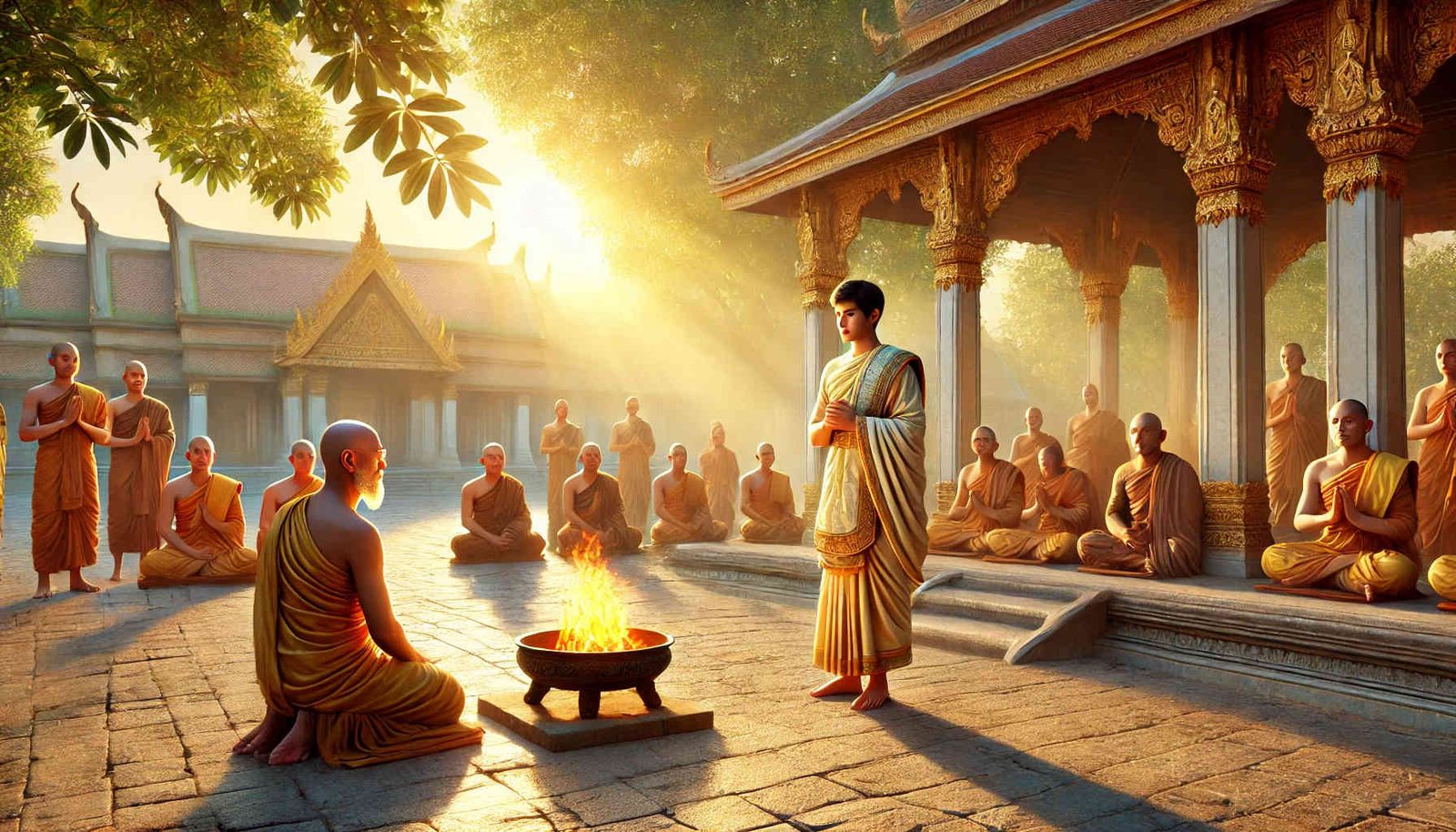
罗睺罗看到许多亲友和各地来求法的僧众都灭除了烦恼,证得了阿罗汉的圣位,他也想要效法他们,好好实修,证得圣位,所以,罗睺罗就去拜见佛陀,请求传授法要并允许独自专修。
此时佛陀观察出罗睺罗的「解脱慧未熟」,这是指罗睺罗还不具足长期如理听闻和思考的智慧,也就是佛法的背景知识不够,必须加强义理的训练。这犹如一个学童的算数尚未成熟前,不适合就去做生意。解脱的智慧要从身心或色、受、想、行、识等五取蕴(五受阴)下手,所以佛陀要罗睺罗去对别人教导五取蕴,借由教学相长的训练,掌握五取蕴的详细内容和性质。
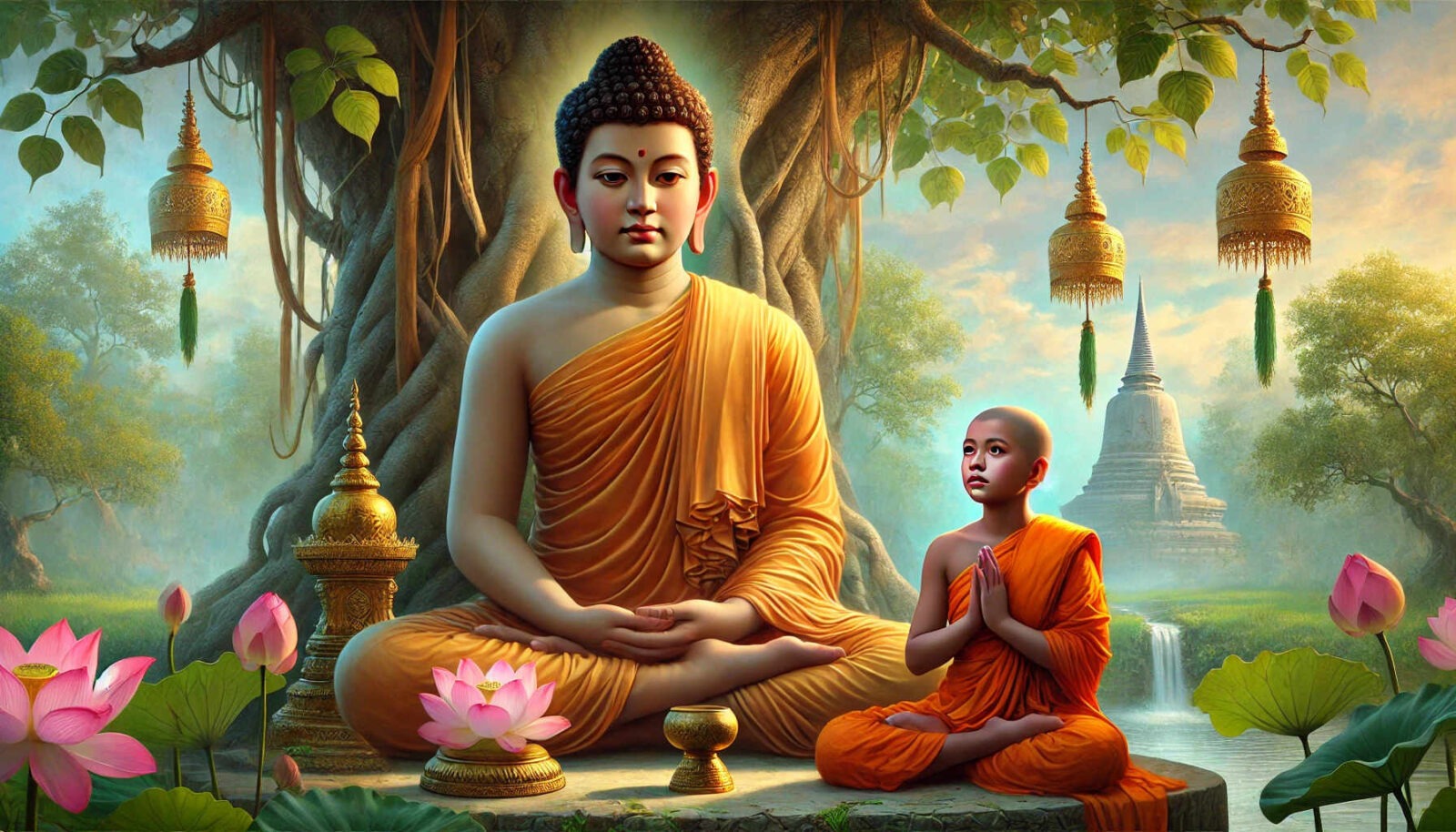
过了一些时日,罗睺罗已经对别人教导了五取蕴,便来拜见佛陀,再次请求佛陀传授法要并允许独自专修。
同样的,佛陀看出罗睺罗的「解脱慧未熟」,所以要他再去对别人教导六处(六入处),了知六处的详细内容,这是由于六处分内六处(眼、耳、鼻、舌、身、意)及外六处(色、声、香、味、触、法),此中涉及个人身心和环境的互动。
经由教学相长的训练,过了一阵子,罗睺罗已经教导了内外六处,又来拜见佛陀,再次请求传授法要并允许独自专修。
同样的,佛陀看出罗睺罗的解脱的智慧还是未熟,所以要他再去对别人教导缘起法(尼陀那法),了知缘起的详细内容,这是由于缘起的流转和还灭,涉及众生的轮回和解脱,想要灭苦就要熟悉这一过程。
经由教学相长的训练,过了一阵子,罗睺罗已经教导了缘起法,便来拜见佛陀,再一次请求传授法要并允许独自专修。
同样的,佛陀看出罗睺罗虽然教导了五取蕴、六处和缘起法的道理,但是还未融会贯通,解脱智慧还是未熟,所以佛陀要罗睺罗独在静处,将前面所说的法,专心思考。
罗睺罗接受佛陀的指示后,回去观察思考,有一天终于豁然贯通,体会到佛陀所教导的这一切法都是顺趋涅槃、流注涅槃、导向涅槃。罗睺罗想通之后,便来到佛陀跟前,详细报告心得。
经过这一番的教学训练后,佛陀看出罗睺罗的解脱智慧终于成熟了,可以接受更深的法要,于是向罗睺罗教导下一阶段的修行重点:「一切都是无常。什么法是无常的呢?眼睛是无常的,眼根所接触的色境,眼根接触色境产生的眼识,以及眼根、色境、眼识三者和合而生起的眼触都是无常的……」
罗睺罗听闻佛陀的法要,内心欢喜不已,向佛陀礼敬后,回去继续用功。
Date: 04/25/2026 04/26/2026
Location: Star River Meditation Center
Teacher: Yunquan Huang
Dharma Talk
Rāhula’s Quest for the Dharma
When Rāhula saw that many of the Buddha’s relatives and monks who had come from various regions to seek the Dharma had already eliminated their afflictions and attained the noble state of Arhatship, he too aspired to follow their example. He wished to cultivate earnestly and realize the noble fruit. Therefore Rāhula went to see the Buddha, requesting instruction in the essential teachings and permission to practice in solitude.
At that time, the Buddha perceived that Rāhula’s wisdom of liberation had not yet matured. This meant that Rāhula had not yet sufficiently developed the wisdom that arises from long and proper hearing and reflection upon the Dharma; in other words, his foundational understanding of the teachings was still incomplete. It was like a child whose arithmetic is not yet mature — such a person would not be ready to conduct business.
The wisdom of liberation must begin with an understanding of body and mind, namely the five aggregates subject to clinging: form, feeling, perception, formations, and consciousness. Therefore the Buddha instructed Rāhula to teach others about the five aggregates. Through the process of teaching and learning together, he would gain a clearer and more thorough understanding of their nature and characteristics.
After some time had passed, Rāhula had finished teaching the five aggregates to others. He returned to see the Buddha and again requested instruction and permission to practice alone.
Once again, the Buddha saw that Rāhula’s wisdom of liberation had not yet matured. Therefore he instructed him to teach others about the six sense bases. These consist of the six internal bases — eye, ear, nose, tongue, body, and mind — and the six external bases — form, sound, scent, taste, touch, and mental objects. The six bases reveal the interaction between the individual’s body–mind and the surrounding world.
Through the training of teaching others, Rāhula gradually came to understand the six internal and external sense bases. After some time he returned again to the Buddha, once more requesting instruction and permission for solitary practice.
Still, the Buddha saw that Rāhula’s wisdom of liberation was not yet mature. Therefore he instructed him to teach others the Doctrine of Dependent Origination (Nidāna). This was because the processes of arising and cessation within dependent origination explain the cycle of rebirth and the path to liberation. To bring suffering to an end, one must fully understand this process.
After a period of teaching others through this mutual learning, Rāhula once again came before the Buddha and made the same request.
The Buddha observed that although Rāhula had now taught the principles of the five aggregates, the six sense bases, and dependent origination, he had not yet fully integrated them in understanding. His wisdom of liberation was still immature. Therefore the Buddha instructed him to withdraw to a quiet place and contemplate deeply upon the teachings he had already learned.
Rāhula followed the Buddha’s instruction and returned to reflect and observe carefully. One day his understanding suddenly opened. He realized that all the teachings given by the Buddha flowed toward Nirvāṇa, led toward Nirvāṇa, and culminated in Nirvāṇa.
After gaining this insight, Rāhula came before the Buddha and reported his realization in detail.
Through this process of training and instruction, the Buddha now saw that Rāhula’s wisdom of liberation had finally matured and that he was ready to receive deeper teachings. Thus the Buddha instructed him in the next stage of practice:
“All things are impermanent. What phenomena are impermanent? The eye is impermanent; the forms perceived by the eye are impermanent; the eye-consciousness that arises when the eye contacts forms is impermanent; and the contact that arises from the union of eye, form, and eye-consciousness is also impermanent…”
Upon hearing the Buddha’s teaching, Rāhula’s heart was filled with great joy. After bowing respectfully to the Buddha, he returned to continue his diligent practice.