时间:03/14/2026 03/15/2026
地点:星河禅修中心
主讲:黄云全
斋食养生
苦菜
苦菜:富含膳食纤维与抗氧化物的野生健康蔬菜
一、苦菜是什么?
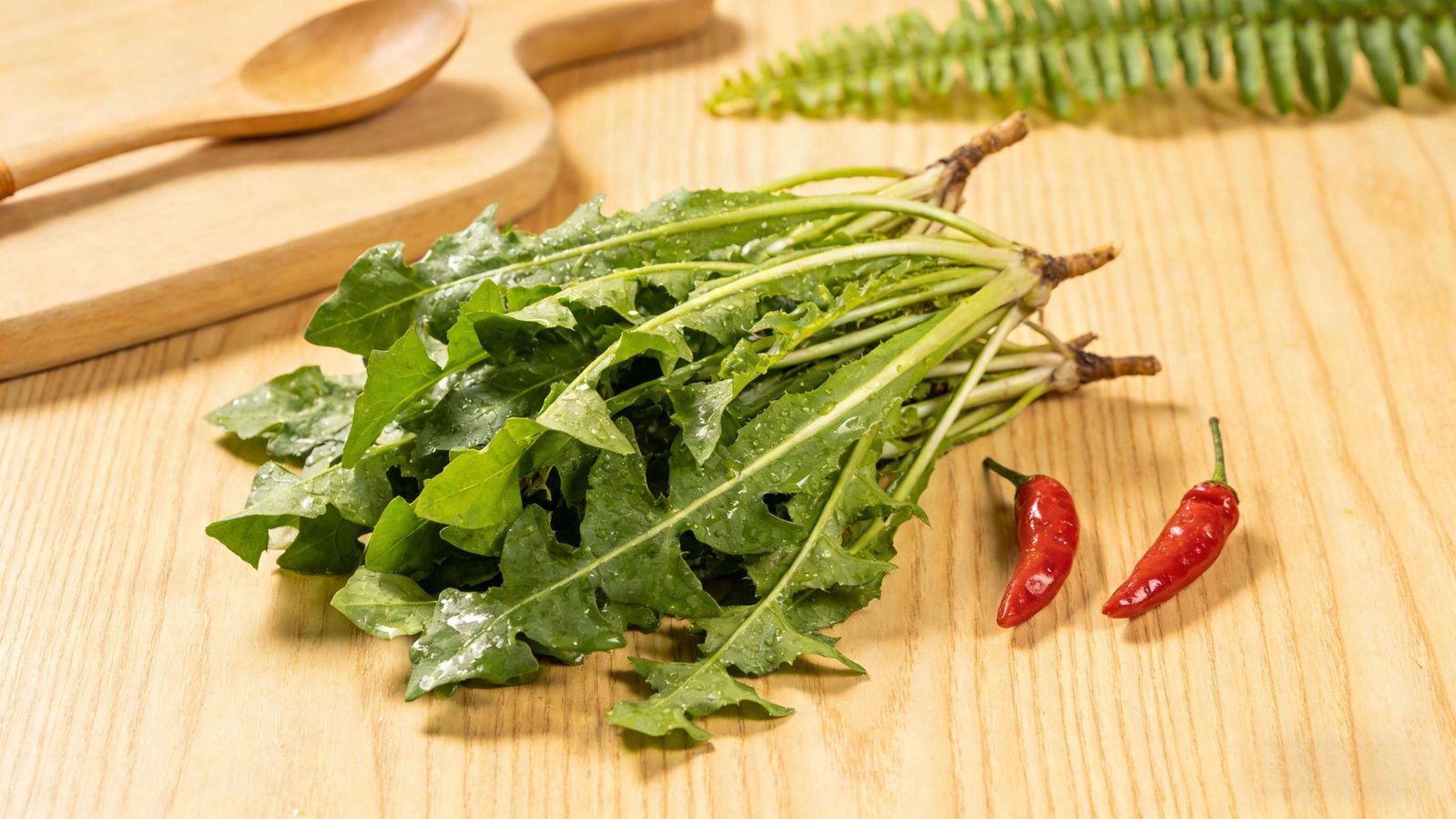
苦菜(学名 Sonchus oleraceus)是一种菊科植物,广泛分布于亚洲、欧洲和美洲的野生或栽培环境中。苦菜因其独特的苦味得名,在传统食疗中被视为具有清热解毒和促进健康的功效。其叶片嫩绿,可生食、炒食或煮汤,是一种营养丰富的野菜。
二、苦菜的营养价值
苦菜是一种低热量、高膳食纤维的绿叶蔬菜,富含多种维生素、矿物质和植物化合物。主要营养成分包括:
1.膳食纤维:促进肠道蠕动,帮助消化健康。
2.维生素C:增强免疫力,促进胶原蛋白合成。
3.钙:有助于维持骨骼健康,增强骨密度。
4.钾:帮助调节血压,维持体液平衡。
5.多酚类和黄酮类抗氧化物:减少自由基损害,延缓衰老。
三、苦菜的健康益处
1.清热解毒:苦菜在传统食疗中常被用作清热降火的食材,有助于缓解上火症状。
2.促进消化健康:富含膳食纤维,有助于维持肠道菌群平衡,改善便秘问题。
3.支持心血管健康:含有丰富的钾元素,有助于维持血压稳定,降低心血管疾病风险。
4.增强免疫力:维生素C和抗氧化物有助于提高机体抵抗力,减少感染风险。
5.有助于血糖管理:苦菜的低升糖指数(GI)特性有助于保持血糖稳定。
四、苦菜的食用方式
1.凉拌苦菜:焯水后调味,保留脆嫩口感。
2.清炒苦菜:简单翻炒,减少苦味,使口感更温和。
3.苦菜炖汤:搭配豆腐、菌菇等炖煮,味道鲜美。
4.苦菜茶:晒干后泡茶,适合作为清热饮品。
5.苦菜馅料:可用于包饺子或制作馅饼,增加风味。
五、关于苦菜的小知识
如何挑选优质苦菜?
选择叶片鲜嫩、颜色翠绿、无枯黄斑点的苦菜。
如何减少苦味?
可先焯水或浸泡片刻,去除部分苦味,使口感更温和。
苦菜适合每天食用吗?
适量食用有益健康,建议每天摄取50-100克,以保证均衡营养。
总结
苦菜是一种富含膳食纤维、维生素C、钾和抗氧化物的健康野菜。适量食用苦菜可促进消化、增强免疫力、保护心血管健康,并有助于血糖管理和清热解毒。无论是凉拌、清炒、煮汤还是泡茶,苦菜都是健康饮食的理想选择。
Date: 03/14/2026 03/15/2026
Location: Star River Meditation Center
Teacher: Yunquan Huang
Buddhist Diet and Regimen
Bitter Herb
Bitter Herb: A Fiber-Rich and Antioxidant-Packed Wild Vegetable
1. What is Bitter Herb?
Bitter herb (Sonchus oleraceus) is a plant from the Asteraceae family, commonly found in Asia, Europe, and the Americas. It is known for its distinctive bitter taste and has long been used in traditional diets for its detoxifying and health-boosting properties. The tender green leaves can be eaten raw, stir-fried, or cooked in soups, making it a highly nutritious wild vegetable.
2. Nutritional Value of Bitter Herb
Bitter herb is a low-calorie, high-fiber leafy green rich in vitamins, minerals, and plant compounds. Key nutrients include:
1.Dietary Fiber: Supports digestion and promotes gut health.
2.Vitamin C: Enhances immunity and aids collagen production.
3.Calcium: Supports bone strength and density.
4.Potassium: Helps regulate blood pressure and maintain fluid balance.
5.Polyphenols and Flavonoids: Provide antioxidant benefits and help reduce oxidative stress.
3. Health Benefits of Bitter Herb
1.Detoxifying and Cooling Effect: Traditionally used to reduce internal heat and support detoxification.
2.Aids Digestive Health: High fiber content promotes bowel movement and improves gut microbiota balance.
3.Supports Heart Health: Rich in potassium, which helps regulate blood pressure and reduce cardiovascular risks.
4.Boosts Immunity: Vitamin C and antioxidants enhance the body’s defense system.
5.Helps Regulate Blood Sugar: Low glycemic index (GI) properties aid in maintaining stable blood sugar levels.
4. Best Ways to Eat Bitter Herb
1.Blanched Bitter Herb Salad: Lightly boiled and seasoned for a fresh taste.
2.Stir-Fried Bitter Herb: Quickly sautéed to reduce bitterness and enhance flavor.
3.Bitter Herb Soup: Cooked with tofu and mushrooms for a nutrient-rich broth.
4.Bitter Herb Tea: Dried and brewed into a tea for a detoxifying beverage.
5.Bitter Herb Filling: Used in dumplings or pastries to add a unique taste.
5. Interesting Facts About Bitter Herb
How to Choose the Best Bitter Herb?
Look for fresh, green leaves without yellow spots.
How to Reduce Bitterness?
Soaking or blanching can help mellow the taste for a milder flavor.
Is It Safe to Eat Bitter Herb Daily?
Yes, moderate consumption (50-100g per day) provides health benefits while maintaining nutritional balance.
Conclusion
Bitter herb is a fiber-rich, vitamin-packed wild vegetable that supports digestion, boosts immunity, promotes heart health, and aids in detoxification and blood sugar regulation. Whether blanched, stir-fried, cooked in soups, or brewed into tea, bitter herb is a nutritious and flavorful addition to a healthy diet.