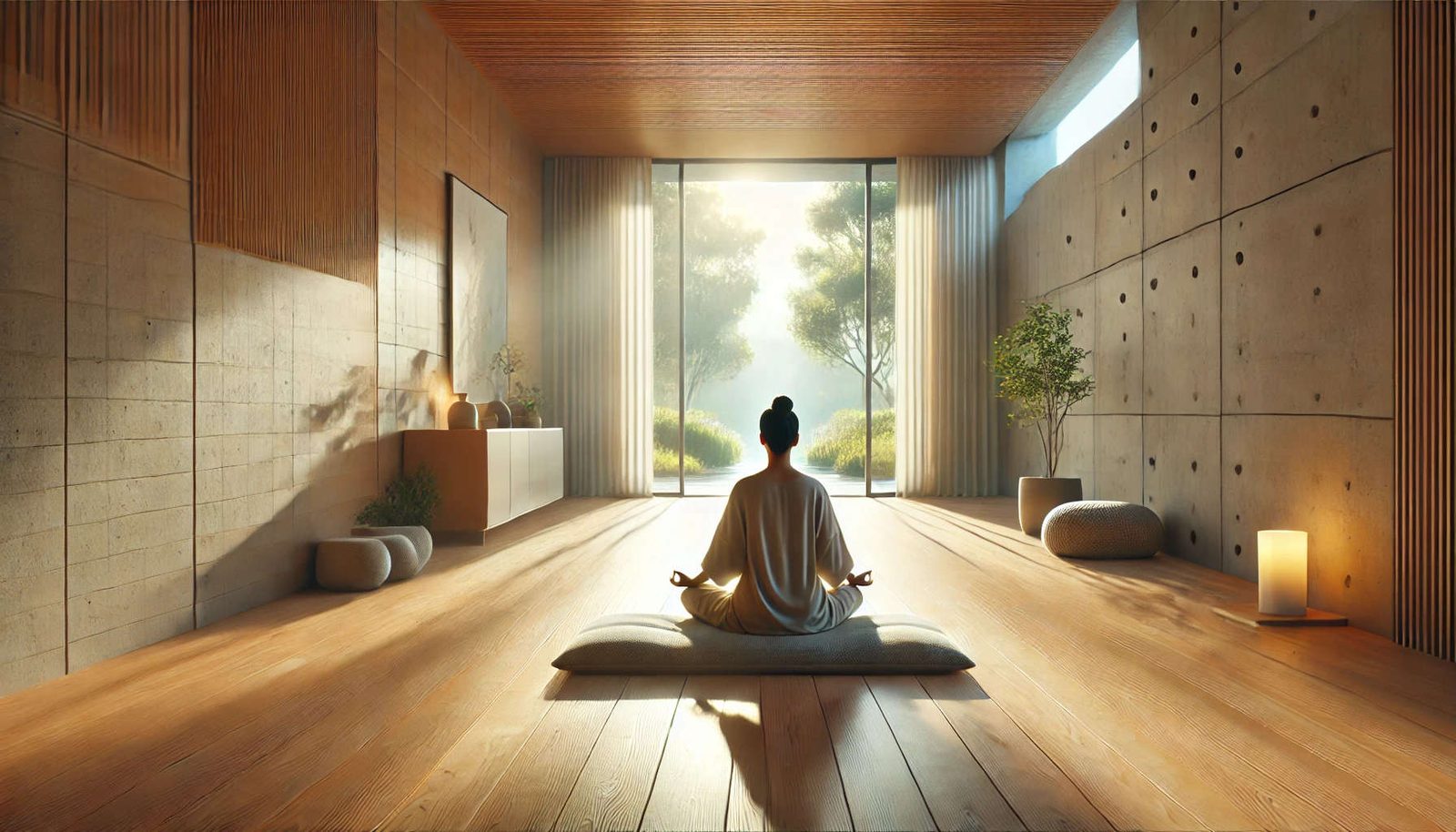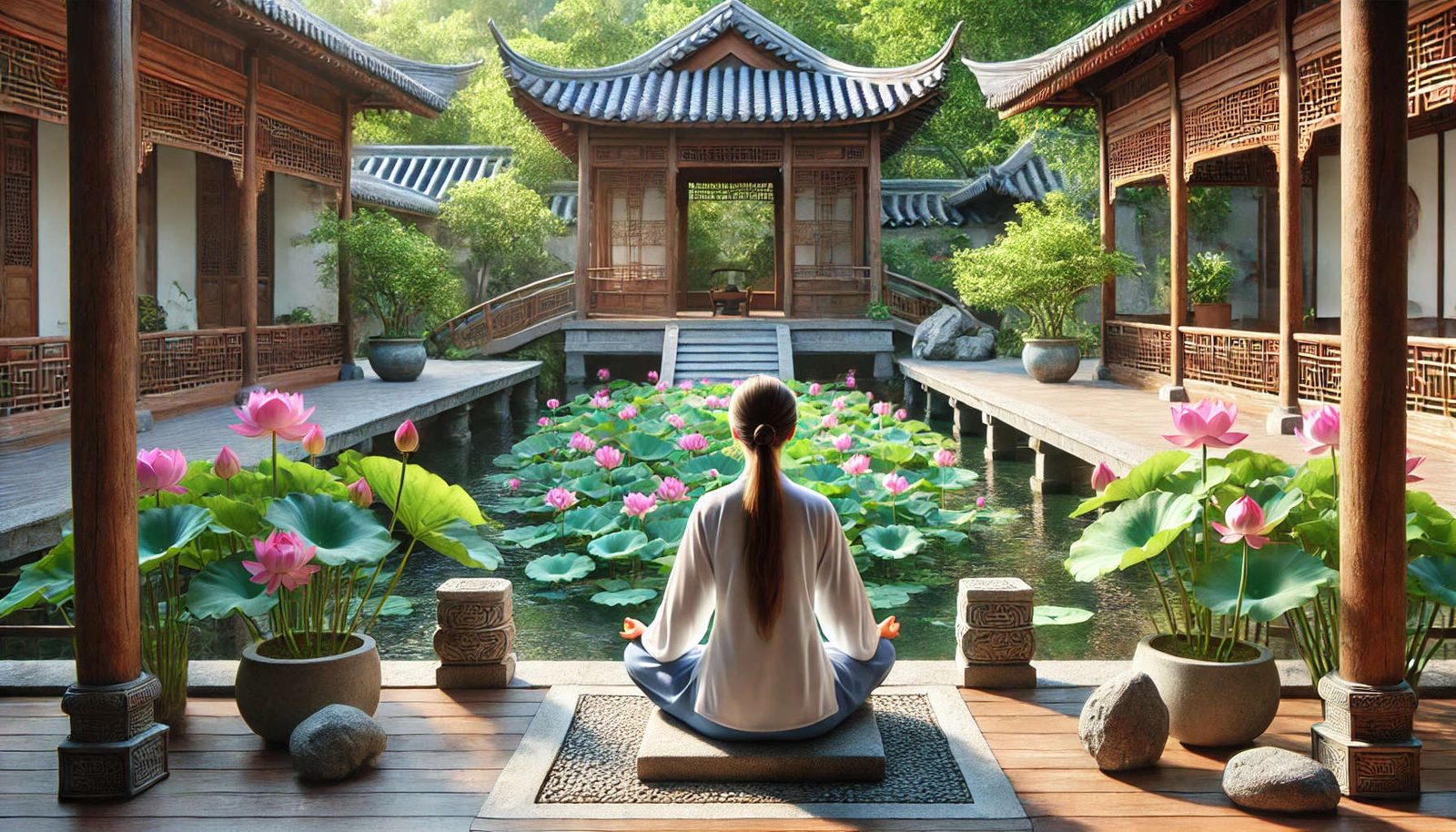
时间:03/21/2026 03/22/2026
地点:星河禅修中心
主讲:黄云全
打坐参禅
觉知的稳定度训练
觉知并不难生起,难的是持续。许多人在打坐或日常中,能够短暂觉察呼吸、身体或念头,却很快又被思绪、情绪或外境带走。觉知的稳定度训练,并不是让觉知变得“用力”或“紧绷”,而是让觉知在放松中持续,在变化中不失,在一切经验中保持在场。
一、什么是“觉知的稳定度”?
1.觉知不是一瞬间的看见
而是持续、连贯、不间断的清醒。
2.稳定不等于固定
觉知可以流动,却不散乱。
3.稳定的觉知不依赖对象
对象可以变化,觉知始终在场。
二、觉知不稳定的常见原因
1.过度用力
刻意“盯住”对象,容易造成紧张与疲劳。
2.期待特殊体验
一旦期待结果,觉知就被拉向未来。
3.被念头内容牵引
忘了“觉知”,只剩“思考”。
4.身体与呼吸未安稳
身息不稳,觉知自然难以持续。
三、稳定觉知的基础训练
1.以身体为锚点
优先安住于身体整体感,而非细碎念头。
2.让呼吸自然承载觉知
不调、不控,只是陪伴。
3.放松优先于专注
越放松,觉知越容易稳定。
四、进阶的觉知稳定训练
1.从“点状觉知”到“面状觉知”
不只觉知一个点,而是觉知整个当下。
2.在变化中保持觉知
声音来,知道;念头起,知道;情绪动,知道。
3.不跟随,也不排斥
觉知本身,就是稳定的力量。
4.让觉知成为背景
经验在前景流动,觉知在背景恒常。
五、日常生活中的稳定训练
1.把觉知带入简单动作
走路、喝水、洗手,都可练习持续觉知。
2.短而频繁地练习
不求久坐,求反复回到觉知。
3.在走神时温柔回归
不责怪,不评判,只是回来。
六、稳定觉知的成熟标志
1.不易被念头拉走
念头来去,但不失清醒。
2.情绪中仍有空间
情绪存在,却不淹没觉知。
3.觉知不再费力
自然、轻松、持续。
总结
觉知的稳定,不是靠控制维持,而是靠放松与熟悉自然形成。当觉知不再被用力对待,它便能在一切经验中,安稳而持续地存在。
Date: 03/21/2026 03/22/2026
Location: Star River Meditation Center
Teacher: Yunquan Huang
Sitting Meditation
Training the Stability of Awareness
Awareness is easy to arise,but difficult to sustain.Many practitioners can notice the breath or body briefly,only to be quickly carried away by thoughts or emotions.Training stability does not mean forcing awareness to stay,but allowing it to remain naturally present—relaxed, continuous, and unbroken amid change.
1.What Is Stability of Awareness?
1.Awareness is not a momentary glimpse
It is continuity and clarity over time.
2.Stability does not mean rigidity
Awareness can move without scattering.
3.Stable awareness does not depend on objects
Objects change;awareness remains.
2.Common Causes of Unstable Awareness
1.Excessive effort
Over-focusing creates tension and fatigue.
2.Chasing special experiences
Expectation pulls awareness into the future.
3.Being absorbed by thought content
Awareness is forgotten;thinking takes over.
4.An unsettled body and breath
Without bodily ease,awareness cannot rest.
3.Foundational Training for Stability
1.Use the body as an anchor
Rest in the sense of the whole body.
2.Let the breath carry awareness
No control—just gentle presence.
3.Relaxation before concentration
The more relaxed,the more stable awareness becomes.
4.Advanced Stability Training
1.From point awareness to field awareness
Not a single object,but the entire moment.
2.Maintaining awareness amid change
Sound arises—know it.
Thought arises—know it.
Emotion moves—know it.
3.Neither following nor resisting
Awareness itself is stability.
4.Let awareness become the background
Experiences move in the foreground;awareness remains constant.
5.Stability Training in Daily Life
1.Bring awareness into simple actions
Walking, drinking, washing hands.
2.Short, frequent practice
Not long sessions,but repeated returns.
3.Gentle returning when distracted
No blame,no judgment—just return.
6.Signs of Mature Stability
1.Thoughts no longer easily carry you away
Clarity remains.
2.Space remains even within emotion
Emotion does not overwhelm.
3.Awareness feels effortless
Natural, relaxed, and continuous.
Conclusion
Stability of awareness is not maintained through control,but cultivated through relaxation and familiarity.When awareness is no longer forced,it naturally remains—steady within all experience.