时间:01/10/2026 01/11/2026
地点:星河禅修中心
主讲:黄云全
斋食养生
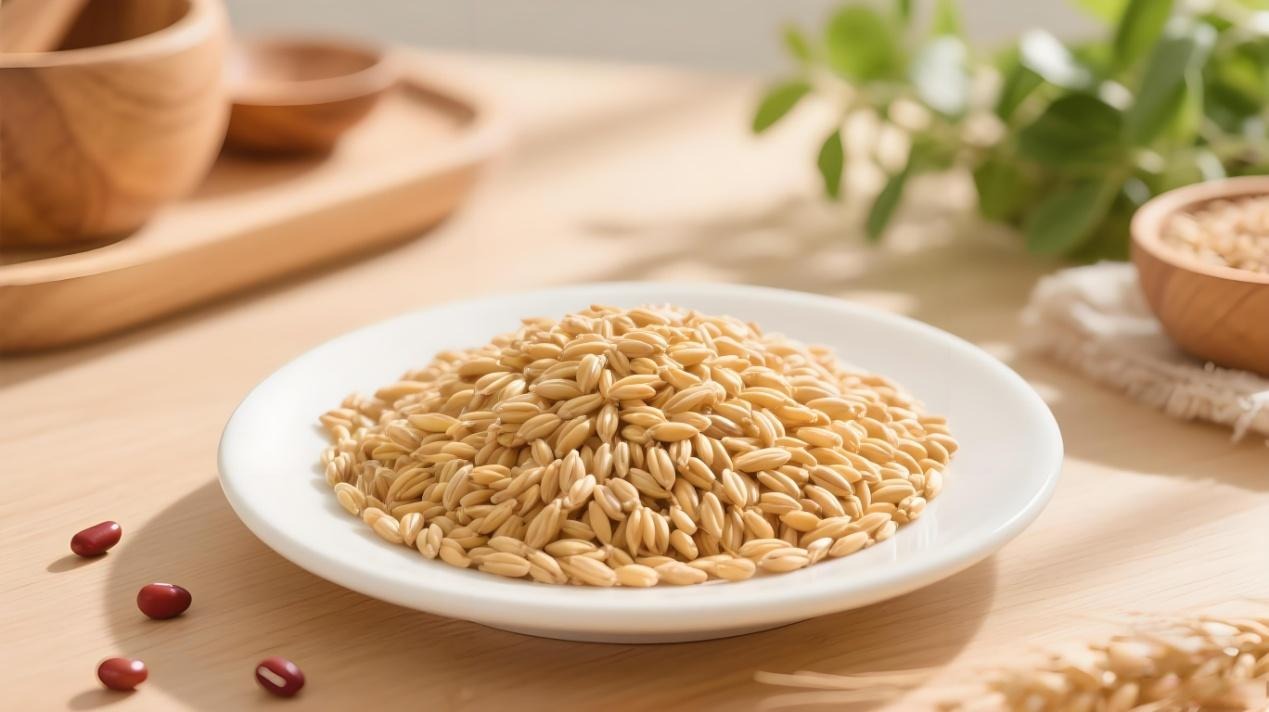
大麦
大麦:富含膳食纤维与矿物质的健康全谷物
一、大麦是什么?
大麦(学名 Hordeum vulgare)是一种古老的谷物,已有数千年的种植历史。它广泛种植于全球温带地区,因其耐寒性强、适应能力广,被广泛用于食品、饮料和动物饲料。大麦富含膳食纤维和多种营养成分,是健康饮食中的重要全谷物之一。
二、大麦的营养价值
大麦是一种富含纤维、低脂肪的谷物,含有丰富的维生素、矿物质和植物化合物。主要营养成分包括:
1.β-葡聚糖(膳食纤维):有助于降低胆固醇,促进肠道健康。
2.B族维生素:支持能量代谢,维持神经系统健康。
3.镁:有助于调节血糖水平,促进骨骼健康。
4.铁:支持血液循环,帮助预防贫血。
5.抗氧化物(如酚类化合物):有助于减少自由基损害,增强身体防御力。
三、大麦的健康益处
1.促进消化健康:富含可溶性和不溶性纤维,帮助调节肠道菌群,减少便秘。
2.支持心血管健康:β-葡聚糖有助于降低胆固醇水平,减少心血管疾病风险。
3.有助于血糖管理:低升糖指数(GI)食物,可帮助平稳血糖水平。
4.增强免疫力:富含抗氧化物质,有助于提升机体防御能力。
5.帮助体重管理:高纤维和低脂肪的特性增加饱腹感,减少过量进食。
四、大麦的食用方式
1.大麦粥:与糙米、燕麦等搭配熬煮,口感醇厚。
2.大麦饭:蒸煮后作为主食,或搭配蔬菜一起食用。
3.大麦茶:炒制后泡茶,具有清香口感,有助于消化。
4.大麦汤:与豆类、蔬菜等炖煮,增加膳食纤维。
5.大麦粉烘焙:研磨成粉后,可用于制作面包或糕点,增加营养价值。
五、关于大麦的小知识
如何挑选优质大麦?
选择色泽均匀、颗粒饱满、无霉变的大麦。
大麦需要浸泡吗?
是的,整粒大麦建议浸泡数小时,以缩短烹饪时间。
大麦适合每天食用吗?
适量食用有益健康,每天50-100克即可满足营养需求。
总结
大麦是一种富含膳食纤维、B族维生素、镁和抗氧化物的健康谷物。适量食用大麦可促进消化、保护心血管、调节血糖,并有助于体重管理。无论是煮粥、泡茶、炖汤还是烘焙,大麦都是健康饮食的理想选择。
Date: 01/10/2026 01/11/2026
Location: Star River Meditation Center
Teacher: Yunquan Huang
Buddhist Diet and Regimen
Barley
Barley: A Fiber-Rich and Nutrient-Dense Whole Grain
1. What is Barley?
Barley (Hordeum vulgare) is an ancient grain that has been cultivated for thousands of years. It is widely grown in temperate regions due to its adaptability and resilience. Barley is a versatile grain used in food, beverages, and animal feed, making it an important component of a healthy diet.
2. Nutritional Value of Barley
Barley is a high-fiber, low-fat grain packed with essential vitamins, minerals, and plant compounds. Key nutrients include:
1.Beta-Glucan (Dietary Fiber): Helps lower cholesterol and supports gut health.
2.B Vitamins: Essential for energy metabolism and nervous system function.
3.Magnesium: Helps regulate blood sugar levels and supports bone health.
4.Iron: Aids in blood circulation and helps prevent anemia.
5.Antioxidants (such as Phenolic Compounds): Reduce oxidative stress and enhance immune function.
3. Health Benefits of Barley
1.Supports Digestive Health: High in soluble and insoluble fiber, promoting gut bacteria balance and preventing constipation.
2.Boosts Heart Health: Beta-glucan helps reduce cholesterol levels and lowers the risk of cardiovascular diseases.
3.Helps Regulate Blood Sugar: A low glycemic index (GI) food that supports stable blood sugar levels.
4.Enhances Immunity: Rich in antioxidants that strengthen the body’s natural defense mechanisms.
5.Aids in Weight Management: High fiber and low-fat properties increase satiety and reduce overeating.
4. Best Ways to Eat Barley
1.Barley Porridge: Cooked with brown rice or oats for a hearty breakfast.
2.Steamed Barley: Used as a side dish or mixed with vegetables for added nutrition.
3.Barley Tea: Roasted and brewed for a mild, nutty-flavored drink that aids digestion.
4.Barley Soup: Simmered with beans and vegetables to boost fiber intake.
5.Barley Flour Baking: Ground into flour for making bread or pastries with added nutrients.
5. Interesting Facts About Barley
How to Choose the Best Barley?
Look for uniform, plump grains without mold or discoloration.
Should Barley Be Soaked Before Cooking?
Yes, soaking whole barley for a few hours reduces cooking time.
Is It Safe to Eat Barley Daily?
Yes, moderate consumption (50-100g per day) provides essential nutrients for a balanced diet.
Conclusion
Barley is a fiber-rich, vitamin-packed whole grain that supports digestion, heart health, blood sugar control, and weight management. Whether consumed as porridge, tea, soup, or in baked goods, barley is a nutritious and delicious addition to a healthy lifestyle.