时间:04/19/2025 04/20/2025
地点:星河禅修中心
主讲:黄云全
打坐参禅
观生命流动
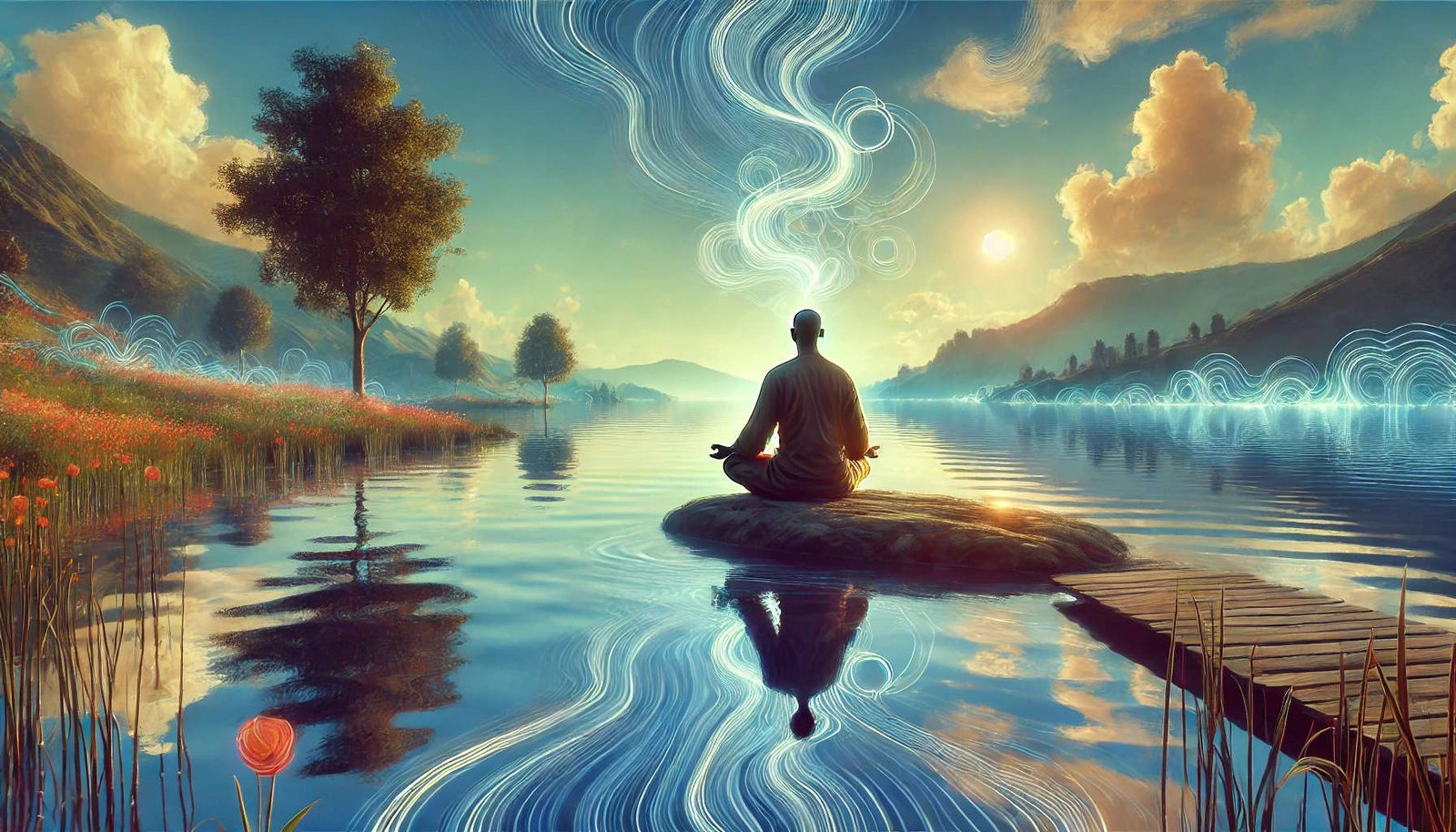
所谓“观生命流动”,是指如实观察生命在当下不断变化的状态——身体的变动、情绪的起伏、念头的生灭、外境的转换。生命并非固定的实体,而是一条持续流动的河。透过观生命的流动,我们逐渐放下执著,理解无常、无我与缘起的深意,让心变得轻安、柔软与自由。
一、生命从未静止:理解“流动”的本质
1.身体在流动
呼吸进出、血液循环、感受生灭,身体从未在一刻保持不变。
2.情绪在流动
喜、怒、忧、惧、生起与落下如同波浪,没有一种情绪能持久停留。
3. 念头在流动
念头如云,来时没有来处,去时不留痕迹。
4.外境在流动
天气变化、人事变动、环境演化,无一固定。生命的定义就是流动。
二、为何要观生命的流动?
1.放下对“稳定”的执著
当我们执著某种状态不变时,必然产生痛苦。
2.看到无常,心便柔软
无常不是威胁,而是提醒我们珍惜当下。
3.理解无我,减少自我中心
既然身心都在变化,“我”也是流动的过程。
4.减少情绪与念头的绑架
痛苦来自“抓住不放”;智慧来自“如实观察”。
三、如何观生命流动?
方法一:观察呼吸的生灭流转
步骤
注意吸入的开始
观察吸气的过程
注意呼出的转折
观察呼气的延伸
每个阶段都在变;
呼吸之流即生命之流。
方法二:感受身体感受的变化
步骤
感受温度、压力、疼痛、轻松
注意它们如何强弱变化
注意它们如何移动、散开、消失
身体如同河流,没有固定形状。
方法三:观察念头如云般飘动
步骤
念头生起时知道
不控制它
看它如何变化、淡化、消失
念头流动越明显,
就越不把念头当成“我”。
方法四:觉察情绪的波浪性
步骤
情绪生起时,用觉知接住
不评判、不拒绝、不抓住
观察它的起伏
看到它总是会过去
情绪的流动性让我们更能包容自己。
方法五:在日常中观生命的动感
步行时观察脚步的节奏
听声音时观察声音的生灭
看人事时观察关系的变化
面对困难时观察因缘的组合与转变
生活中处处是“流动的课堂”。
四、观生命流动带来的转化
1.心不再僵硬
面对变化时,不再抵抗,而是随顺应对。
2.苦的力量大幅减少
因为不再执著任何固定状态。
3.心与生命同步,而非对抗
让生命自然流动,不与之冲突。
4. 开启更深的空性智慧
流动就是无常,无常即无我,无我即空。
总结
生命是一条不断变化的河流。观生命流动,就是观察身心与外境的变化,不抓、不拒、不执著。当你看清生命无常与无我,心自然变得宽广、柔软与自由。
Date: 04/19/2025 04/20/2025
Location: Star River Meditation Center
Teacher: Yunquan Huang
Sitting Meditation
Observing the Flow of Life
To “observe the flow of life” is to recognize that life is a continuous, ever-changing process.The body shifts, emotions rise and fall, thoughts appear and vanish, and the world itself is in constant motion.By observing this flow, we understand impermanence, non-self, and dependent arising, allowing the mind to relax its grip and discover freedom.
1.Life Is Never Still
1.The body flows
Breath moves, blood circulates, sensations come and go—nothing in the body remains the same.
2.Emotions flow
Joy, anger, fear, and sadness rise like waves and naturally subside.
3.Thoughts flow
Thoughts arise without origin and disappear without trace.
4.The outer world flows
Situations, relationships, and environments constantly change.
Life is defined by movement.
2.Why Observe the Flow of Life?
1.To release attachment to stability
Clinging to permanence creates suffering.
2.To soften the mind through impermanence
Seeing change helps us accept and appreciate each moment.
3.To understand the non-self nature of experience
If everything changes, then “self” is also a changing process.
4.To weaken the power of emotions and thoughts
What is seen as movement cannot imprison the mind.
3.How to Observe Life’s Flow
Method One: Follow the flow of the breath
Steps
Notice the beginning of inhalation
Follow the rising movement
Observe the turning point
Follow the exhalation
Breath is the simplest gateway to life’s movement.
Method Two: Watch bodily sensations change
Steps
Feel pressure, tension, warmth, pain, ease
Observe how they shift and transform
Notice how sensations dissolve or relocate
The body is like a river—never the same twice.
Method Three: Observe thoughts drifting like clouds
Steps
Acknowledge a thought as it appears
Avoid suppressing or chasing it
Watch its natural transformation and fading
Seeing thoughts flow weakens identification with them.
Method Four: Observe the wave-like nature of emotions
Steps
Recognize the emotion at its onset
Feel its presence in the body
Do not judge or grasp it
Watch it diminish and pass
Emotions become less intimidating when seen as movement.
Method Five: Notice flow in daily life
Observe rhythms in walking
Listen to sounds arise and fade
Notice shifting relationships
See changing conditions behind events
Everyday life becomes a field of insight.
4.The Transformation That Follows
1.The mind becomes flexible
Less resistance, more acceptance.
2.Suffering decreases
Because clinging to fixed states dissolves.
3.Harmony increases
You flow with life rather than fight against it.
4.Wisdom deepens
Flow → impermanence
Impermanence → non-self
Non-self → emptiness
Conclusion
Life is a river of constant change.Observing its flow—body, thoughts, emotions, environment—helps us release grasping and find natural freedom.Seeing impermanence and non-self, the mind opens and becomes peaceful.