时间:02/10/2024 02/11/2024
地点:星河禅修中心
主讲:Jason
打坐参禅
松身不散
松身不散,是身体在放松中仍保持结构、稳定与支撑的状态。它让身体既不僵硬,又不塌陷,在松弛与稳定之间找到自然的平衡,使呼吸顺畅、觉察清晰,身心得以安住。
一、什么是松身不散?
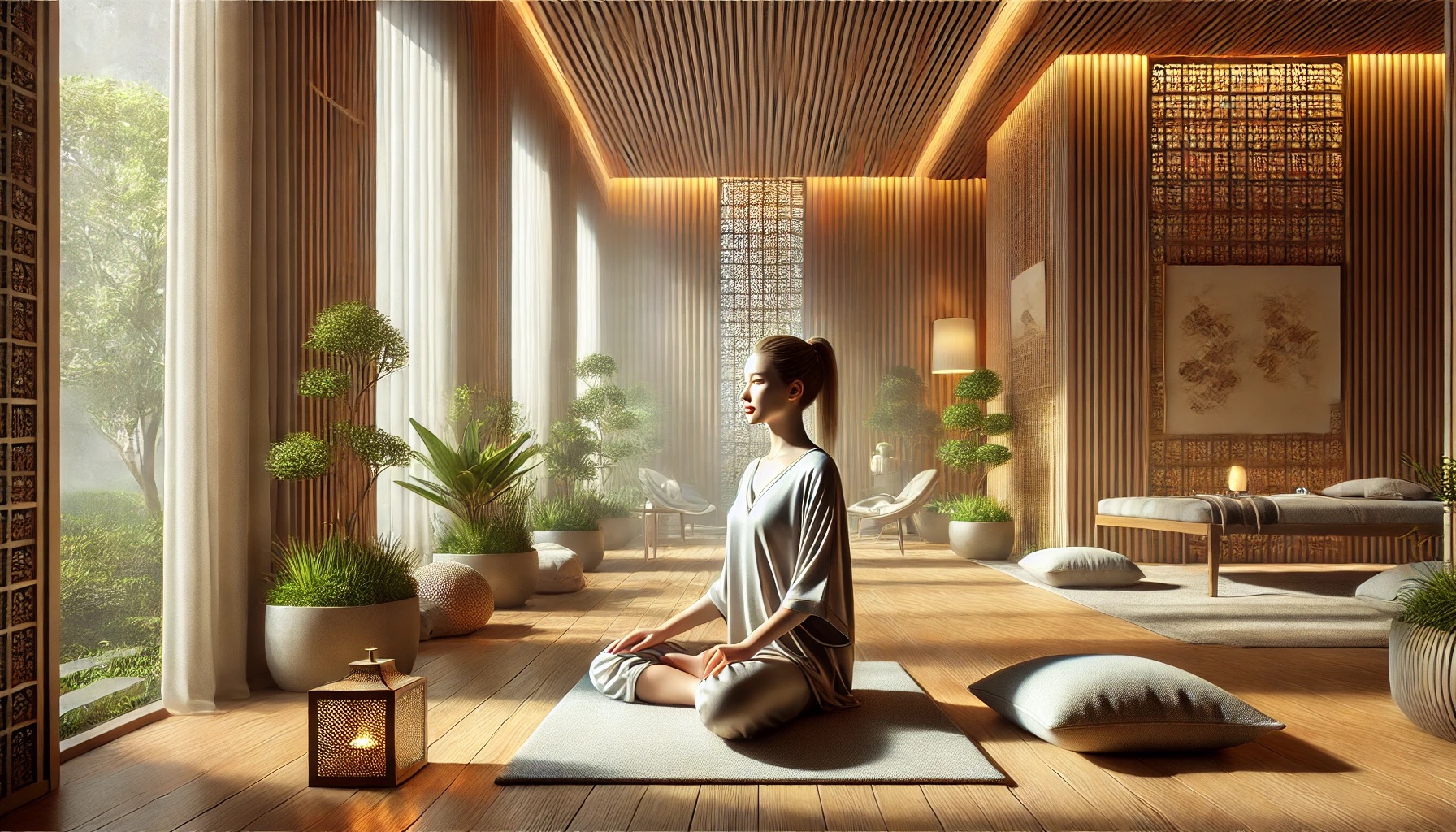
松身不散,是指身体在放松的同时不失去整体感。不是用力撑着,也不是全身松垮,而是在身体松弛的情况下保持脊椎延展、结构完整,让力量从核心自然支撑起身体。
二、松身不散的基础
1.放松不塌陷:身体松开,但不让胸腰塌下。
2.结构稳定:脊椎自然延展,肩颈柔软。
3.均匀用力:不靠局部用力撑着,而是全身协调支撑。
4.下盘稳固:坐骨或脚掌稳稳承托身体重量。
5.自然平衡:放松与稳定同时存在。
三、松身不散的益处
1.减少身体紧绷:肩颈更轻松,胸腔更舒展。
2.呼吸更顺畅:稳定结构有助呼吸延展。
3.提升觉察力:身体安稳时,心更容易专注。
4.减少代偿用力:不再依赖局部肌肉硬撑。
5.促进身心协调:身体松稳并行,心也更易安静。
四、练习松身不散的方法
1.放松扫描:从头到脚松开不必要的力。
2.延展脊椎:想象头顶微微向上提。
3.调整下盘:让重量自然落在坐骨或脚下。
4.松肩沉肘:肩胛自然下沉,胸腔放松。
5.呼吸带动松动:吸气延展、呼气松开。
五、关于松身的小知识
越放松越容易塌陷吗?
不会,只要保持脊椎延展,就能松而不散。
松身需要刻意用力吗?
不需要,用力会让身体变紧。
松身不散适用于静坐吗?
非常适用,是静坐最理想的身体状态之一。
总结
松身不散,是放松与稳定的结合。当身体保持柔软而有结构,呼吸会更顺、心会更安,练习也会更深、更稳、更自然。
Date: 02/10/2024 02/11/2024
Location: Star River Meditation Center
Teacher: Jason
Sitting Meditation
Relaxed Yet Integrated Body
A relaxed yet integrated body means remaining soft without collapsing and stable without stiffening. It allows the body to stay supported, the breath to flow smoothly, and the mind to settle into clarity and steadiness.
1. What Is a Relaxed Yet Integrated Body?
It is a state where the body releases unnecessary tension while maintaining structural integrity. It is neither rigid nor loose but supported through natural extension and gentle balance.
2. Foundations of Relaxed Integration
1.Relax without collapsing: Softness without sinking.
2.Structural stability: Naturally extended spine and relaxed shoulders.
3.Even distribution of effort: No isolated muscles holding the posture.
4.Steady lower base: Sit bones or feet grounded.
5.Natural balance: Relaxation and stability coexisting.
3. Benefits of Relaxed Integration
1.Reduced tension: Shoulders and neck soften.
2.Improved breathing: Stable alignment allows deeper breath flow.
3.Enhanced awareness: A steady body supports a focused mind.
4.Fewer compensatory movements: Less strain on local muscles.
5.Mind–body harmony: A soft, steady body helps calm the mind.
4. Ways to Practice Relaxed Integration
1.Relaxation scan: Release tension from head to toe.
2.Extend the spine: Imagine the crown lifting slightly.
3.Align the base: Let weight settle naturally onto the seat or feet.
4.Soft shoulders and elbows: Allow the chest to open.
5.Breath-guided relaxation: Inhale to extend, exhale to soften.
5. Facts About Relaxed Integration
Does relaxation cause collapse?
Not if the spine remains extended.
Does it require effort?
No—effort creates tension.
Is it suitable for meditation?
Yes, it is one of the most ideal states for seated practice.
Conclusion
Relaxed yet integrated posture combines stability with ease. When the body softens without losing structure, the breath flows freely and the mind settles naturally.