时间:12/14/2024 12/15/2024
地点:星河禅修中心
主讲:黄云全
佛法修行
兴邦卫国的七不衰法
二千五百多年前,位于印度恒河下游南岸,有一个大国,称为「摩揭陀」国。
佛陀晚年时,摩揭陀国的国王,名叫「阿阇世」,正与北方邻族的跋耆人交恶,常常对他的幕僚表示,跋耆国仗其人口众多,国势日强,对我越来越不顺从,威胁愈来愈大,我应当找个机会,把他们彻底消灭掉。
佛陀入灭的前一年,有一次来到了摩揭陀国的首都王舍城地区游化,住在王舍城城郊的灵鹫山中。
阿阇世王听说佛陀住在不远的灵鹫山中,便派遣他的亲信,一位名叫「禹舍」的大臣,就攻打跋耆国的事,去征询佛陀的意见,因为阿阇世王知道,佛陀是不会妄语,说话实实在在的圣者,一定会据实以告。
大臣禹舍衔命来见佛陀,备了最好的车,以及五百位随从,隆重地乘车来到了灵鹫山。待车行至路的尽头,大臣禹舍下车步行至佛陀的休息处,礼见佛陀。一番问讯行礼后,大臣禹舍先代阿阇世王向佛陀请安问候,然后便说明了来意。
佛陀因而告诉大臣禹舍说:
「禹舍!过去,我曾经到过跋耆国游化,为他们说过『七不衰法』,如果跋耆人信受奉行了『七不衰法』,那么跋耆人一定会胜。」
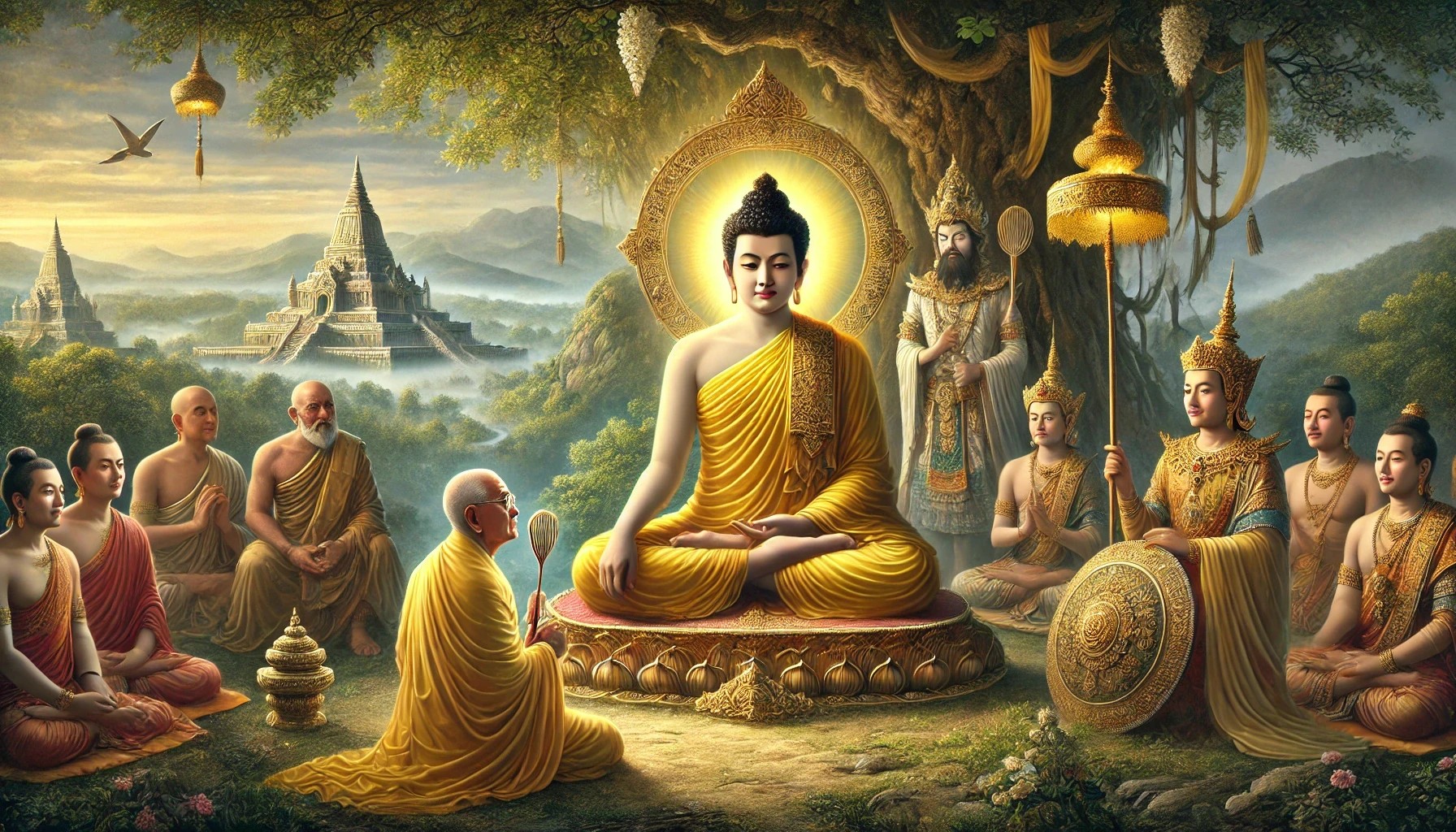
于是,佛陀回头问执扇随侍在后的尊者阿难,在一问一答中,尊者阿难一一证实了跋耆人实践了下列七种「不衰法」:
一、经常聚集开会。
二、在会议中上下一心地共同处理大众事务。
三、遵循既有的制度,不轻易更改。
四、不侵犯妇女。
五、尊崇照顾老人,借重耆老的经验。
六、勤于维护既有的寺庙。
七、都能拥护供养阿罗汉圣者。
因此,佛陀告诉大臣禹舍说,能经常集会的,必兴不衰;能团结议事的,必兴不衰;能坚持制度的,必兴不衰;能有不侵犯妇女风气的,必兴不衰;能借重耆老经验的,必兴不衰;能重视宗教信仰的,必兴不衰;能护持阿罗汉圣者的,必兴不衰。
听了佛陀这样的回答,大臣禹舍感叹地说:
「唉,瞿昙!光是一种不衰法,就可以预测跋耆人兴盛不败了,更何况有七种呢!唉,瞿昙!摩揭陀王在战争与外交的手段以外,如果不用分化离间的手段,是不可能征服跋耆人的。我得走了,唉,瞿昙!我事多繁忙,得赶回去禀报。」
Date: 12/14/2024 12/15/2024
Location: Star River Meditation Center
Teacher: Yunquan Huang
Dharma Talk
The Seven Conditions of Non-Decline for Prosperity and National Defense
More than 2,500 years ago, in the southern bank of the Ganges River in India, there was a large country called the Kingdom of Magadha.
In the later years of Buddha’s life, the king of Magadha, named Ajātasattu, was in conflict with the Vajji people, his northern neighbors. He often told his ministers that the Vajji people, with their large population and growing power, were becoming increasingly defiant and posed a significant threat. He expressed a desire to find an opportunity to eliminate them completely.
A year before Buddha’s passing, he came to the capital of Magadha, Rajagaha, and stayed in the Vulture Peak near the outskirts of the city.
Upon hearing that Buddha was residing nearby on Vulture Peak, King Ajātasattu sent his close minister, named Vassakāra, to consult Buddha regarding his plans to attack the Vajji Kingdom. The king trusted Buddha as a sage who spoke the truth and would provide an honest answer.
Minister Vassakāra, following his orders, prepared the best carriage and brought five hundred attendants, arriving ceremoniously at Vulture Peak. When they reached the end of the road, Vassakāra disembarked and walked to Buddha’s resting place. After formal greetings, he conveyed the king’s regards and explained his purpose for visiting.
Buddha then told Minister Vassakāra:
“Vassakāra! In the past, I visited the Vajji Kingdom and taught them the ‘Seven Conditions of Non-Decline.’ If the Vajji people practice these seven conditions, they will surely be victorious.”
Then Buddha turned to Venerable Ananda, who was standing by with a fan, and in a series of questions and answers, Ananda confirmed that the Vajji people indeed practiced the following seven “Conditions of Non-Decline”:
1. They regularly gather for assemblies.
2. In meetings, they work together with unity on public affairs.
3. They follow established laws and do not change them lightly.
4. They do not violate women.
5. They honor and care for the elderly, valuing their experience.
6. They diligently maintain existing temples.
7. They support and provide for the Arahants (enlightened ones).
Thus, Buddha told Minister Vassakāra that those who gather regularly for assemblies shall thrive; those who work together with unity shall thrive; those who adhere to established laws shall thrive; those who refrain from violating women shall thrive; those who value the experience of elders shall thrive; those who respect religious faith shall thrive; and those who support the Arahants shall thrive.
Hearing Buddha’s response, Minister Vassakāra sighed and said:
“Ah, Gautama! Just one of these Conditions of Non-Decline would be enough to predict the Vajji people’s strength and endurance, let alone all seven! Ah, Gautama! If King Magadha does not use divisive means in addition to war and diplomacy, he will not be able to conquer the Vajji people. I must leave now, ah, Gautama! I have many duties and must report back.”