时间:11/07/2026 11/08/2026
地点:星河禅修中心
主讲:陈双双
佛法修行
世上有五件事最不可得
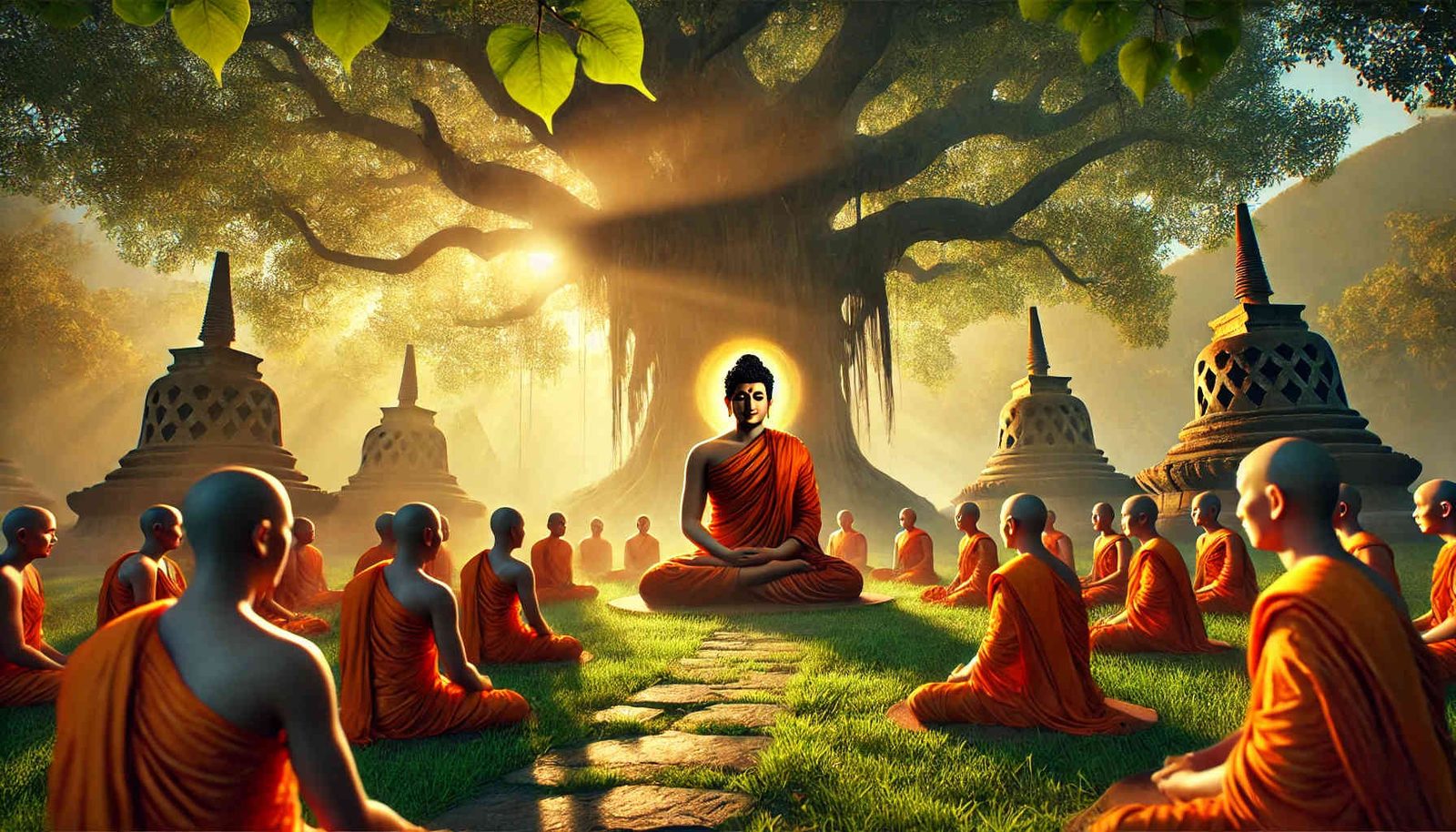
过去佛陀在舍卫国祇树给孤独园弘法时,对比丘开示:“世间上有五件事最不可得。
哪五种事呢?
一、应当丧失之物不想失去它,此事不可得;
二、灭尽消亡之法,希望它不灭尽,此事不可得;
三、应当衰老的,希望令其不老,此事不可得;
四、应该患病者,想让其不生病,此事不可得;
五、应当死亡的,想让它长生不死,此事不可得。
比丘们!这五件事最不可得。无论世尊是否出现于世,丧灭、生、老、病、死等,都是万事万物运行的轨则,恒常如是,不会变异、朽败。无论是发生或是消逝,一切都归于本然。比丘们!这就是我所说五件最不可得之事。”
“比丘们!应当以善方便,修行五根。是哪五根呢?所谓信根、精进根、念根、定根、慧根。能够修行五根,便得证须陀洹果;转进证得斯陀含果;转进灭除五种根本烦恼——贪、瞋、痴、慢、疑,证得阿那含果,入于涅槃不再回欲界受生;转进灭除一切有漏烦恼,证得无漏心解脱、智慧解脱,以自身作证,如实知道自己不再受生轮回。你们应当以种种方便行门,灭除前所说的五种烦恼,修习五根。比丘们!应当要如是学习。”
比丘们听闻佛陀教诲后,个个欢喜,依教奉行。
又有一天,世尊教诫比丘们:“世间有五种人无法疗治。
是哪五种人呢?
一、阿谀谄曲的人,不可疗治;
二、奸邪不正的人,不可疗治;
三、口出恶语的人,不可疗治;
四、善嫉妒恨的人,不可疗治;
五、缺乏感恩回馈之心的人,不可疗治。
是故比丘们!有这五种人不可疗治。”于是佛陀说了此偈:“奸邪恶口人,嫉妒无反复,此人不可疗,智者之所弃。”
“诸位比丘!常当学习端正心念,除去嫉妒之心,修习威仪之法,有所言说都不离开佛法;你们应当要有感恩、回馈之心,对于父母的养育之恩,及他人施予的恩惠要能时常忆念。小恩小惠尚且不忘图报,更何况大恩大德!切莫心怀悭贪,更不可一味地夸耀自己,也不能够毁谤他人。比丘们!你们应当要如是学习。”
比丘众听闻佛陀开示后,心意欢喜,依教奉行。
Date: 11/07/2026 11/08/2026
Location: Star River Meditation Center
Teacher: Shuangshuang Chen
Dharma Talk
Five Things in the World That Cannot Be Obtained
In the time when Śākyamuni Buddha was teaching the Dharma at Jetavana Monastery, he instructed the bhikṣus:
“In this world, there are five things that can never be obtained.
What are these five?
First, what is destined to be lost—one may wish it not to be lost, yet this cannot be obtained.
Second, what is subject to cessation and destruction—one may wish it not to cease, yet this cannot be obtained.
Third, what is bound to grow old—one may wish it not to age, yet this cannot be obtained.
Fourth, what is subject to illness—one may wish it not to fall ill, yet this cannot be obtained.
Fifth, what is destined to die—one may wish it to live forever, yet this cannot be obtained.
Bhikṣus, these five things are unattainable. Whether a Buddha appears in the world or not, loss and extinction, birth, aging, sickness, and death are the natural laws governing all phenomena. They are constant, unchanging, and do not decay. Whether arising or ceasing, all returns to its natural course. This is what I call the five things that cannot be obtained.”
“Bhikṣus, you should skillfully cultivate the five faculties. What are these five? They are the faculty of faith, the faculty of diligence, the faculty of mindfulness, the faculty of concentration, and the faculty of wisdom.
By cultivating these five faculties, one attains the fruit of Stream-entry. Progressing further, one attains the fruit of Once-returning. Advancing further, one eradicates the five fundamental afflictions—greed, anger, ignorance, pride, and doubt—and attains the fruit of Non-returning, entering Nirvāṇa without returning to the realm of desire. Advancing still further, one eliminates all defilements and attains liberation of mind and liberation through wisdom, directly realizing that one will no longer be subject to rebirth.
You should employ various skillful means to eliminate these five afflictions and cultivate the five faculties. Bhikṣus, you should train in this way.”
Having heard the Buddha’s teaching, the bhikṣus rejoiced and practiced accordingly.
On another occasion, the World-Honored One instructed the bhikṣus:
“In this world, there are five kinds of people who cannot be cured.
What are these five?
First, those who are flattering and deceitful cannot be cured.
Second, those who are crooked and unrighteous cannot be cured.
Third, those who speak harsh and evil words cannot be cured.
Fourth, those who are filled with jealousy and hatred cannot be cured.
Fifth, those who lack gratitude and a sense of reciprocity cannot be cured.
Therefore, bhikṣus, these five kinds of people cannot be cured.”
Then the Buddha spoke this verse:
“Those who are deceitful and speak evil words,
Who harbor jealousy and lack integrity—
Such people cannot be healed;
The wise abandon them.”
“Bhikṣus, you should always train your minds to be upright, remove jealousy, and cultivate proper conduct. Whatever you say should not depart from the Dharma. You should be mindful of gratitude and repay kindness. The kindness of parents and the help of others should always be remembered. Even small favors should be repaid—how much more so great kindness! Do not harbor stinginess, do not boast of yourself, and do not slander others. Bhikṣus, you should train in this way.”
After hearing the Buddha’s teaching, the bhikṣus rejoiced and practiced accordingly.