时间:05/30/2026 05/31/2026
地点:星河禅修中心
主讲:黄云全
斋食养生
丝瓜
丝瓜:清热润燥的高水分营养蔬菜
一、丝瓜是什么?
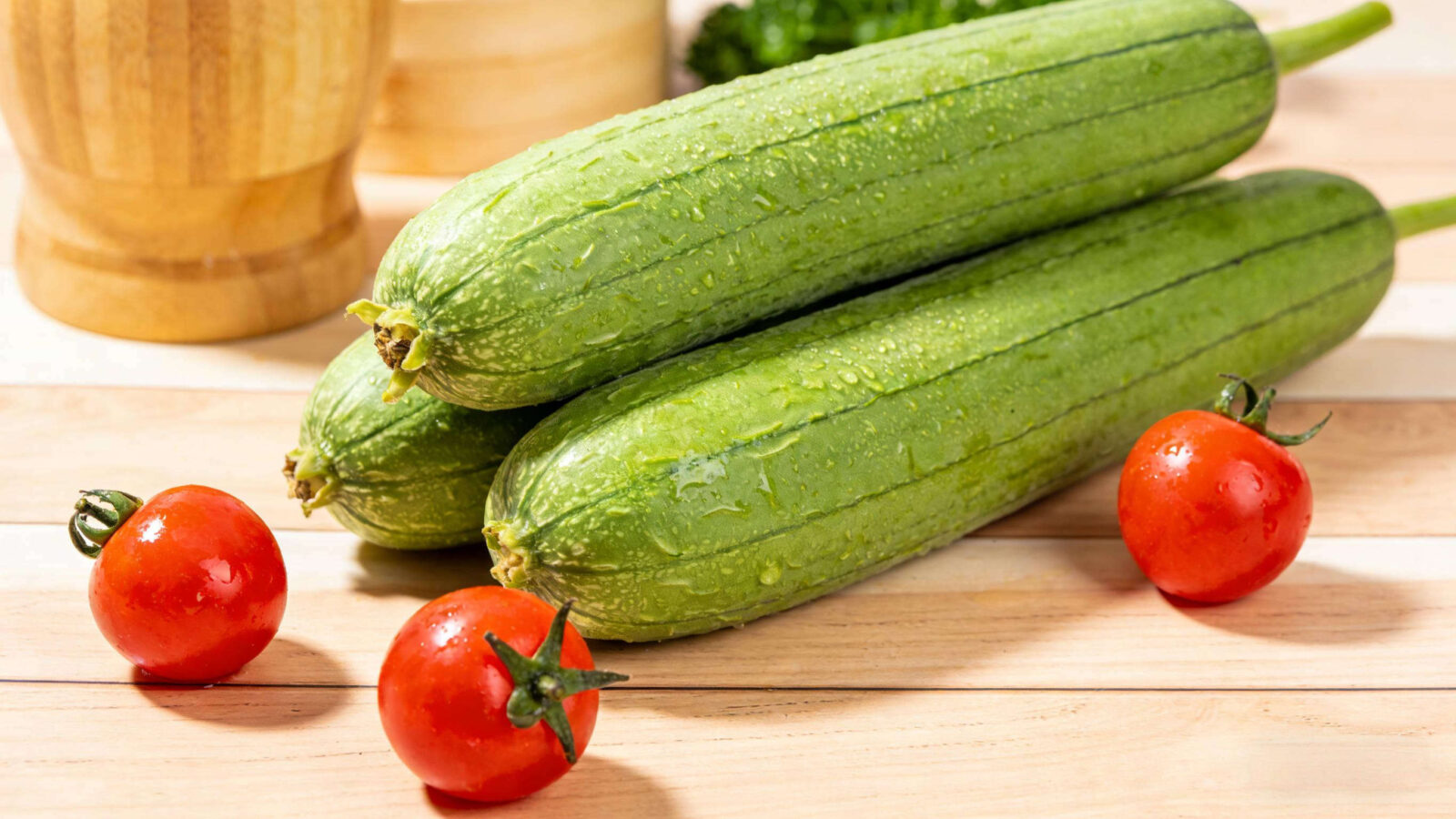
丝瓜(学名 Luffa cylindrica)是一种葫芦科蔬菜,原产于亚洲热带和亚热带地区,是中国传统的家常食材之一。丝瓜质地柔软,口感清甜,含水量极高,常用于炒菜、煮汤或清蒸。丝瓜不仅是餐桌上的美味,还具有一定的食疗价值,被称为“植物海绵”和“天然美容蔬菜”。
二、丝瓜的营养价值
丝瓜热量低,富含水分和多种维生素与矿物质,是夏季清热解暑的好选择。主要营养成分包括:
1.维生素C:增强免疫力,促进胶原蛋白合成。
2.膳食纤维:促进肠道蠕动,帮助消化健康。
3.钾:有助于调节体液平衡,维持正常血压。
4.钙和镁:有助于骨骼健康,维持神经系统稳定。
5.皂苷类化合物:具有抗氧化、抗炎的潜力。
三、丝瓜的健康益处
1.清热润燥:丝瓜含水量高,有助于补充水分,缓解燥热。
2.促进消化健康:富含膳食纤维,帮助改善肠道环境,预防便秘。
3.增强免疫力:维生素C有助于提高身体免疫力,减少感染风险。
4.支持心血管健康:钾元素有助于调节血压,保护心血管功能。
5.美容养颜:丝瓜中的维生素和抗氧化物,有助于减少自由基损害,保持肌肤水润。
四、丝瓜的食用方式
1.清炒丝瓜:简单炒制,保留清甜口感。
2.丝瓜汤:搭配豆腐或菌菇煮汤,清爽又营养。
3.蒸丝瓜:蒸熟后淋少许调味料,原汁原味。
4.丝瓜炖菜:与南瓜、冬瓜等蔬菜一起炖煮,丰富口感。
5.丝瓜泥:搅拌成泥,作为凉菜或搭配其他食材食用。
五、关于丝瓜的小知识
如何挑选优质丝瓜?
选择表皮翠绿、无斑点、手感结实、无过于软化的丝瓜。
丝瓜可以生吃吗?
不建议生吃,煮熟后口感更佳且更安全。
丝瓜适合每天食用吗?
适量食用有益健康,每天100-200克为宜。
总结
丝瓜是一种富含维生素C、膳食纤维、钾和抗氧化物的高水分蔬菜。适量食用丝瓜可清热润燥、促进消化、增强免疫力,并有助于美容养颜和心血管健康。无论是清炒、煮汤还是蒸食,丝瓜都是餐桌上清淡营养的健康选择。
Date: 05/30/2026 05/31/2026
Location: Star River Meditation Center
Teacher: Yunquan Huang
Buddhist Diet and Regimen
Luffa
Luffa: A Hydrating and Nutrient-Rich Summer Vegetable
1. What is Luffa?
Luffa (Luffa cylindrica), also known as sponge gourd, is a member of the gourd family native to tropical and subtropical Asia. It is a common vegetable in Chinese cuisine, prized for its tender texture, mild sweetness, and high water content. Often used in stir-fries, soups, and steamed dishes, luffa is both a delicious ingredient and a traditional medicinal food.
2. Nutritional Value of Luffa
Luffa is low in calories, high in water content, and rich in vitamins and minerals. Key nutrients include:
1.Vitamin C: Boosts immunity and promotes collagen synthesis.
2.Dietary Fiber: Supports digestion and promotes bowel health.
3.Potassium: Helps regulate fluid balance and supports healthy blood pressure.
4.Calcium and Magnesium: Support bone health and nervous system stability.
5.Saponins: May have antioxidant and anti-inflammatory properties.
3. Health Benefits of Luffa
1.Hydrates and Cools: High water content helps replenish fluids and relieve heat-related discomfort.
2.Aids Digestive Health: Rich in fiber, promoting regular bowel movements and gut health.
3.Boosts Immunity: Vitamin C enhances immune defenses and reduces infection risk.
4.Supports Heart Health: Potassium contributes to healthy blood pressure and cardiovascular function.
5.Promotes Healthy Skin: Antioxidants and vitamins help protect skin cells and maintain moisture.
4. Best Ways to Eat Luffa
1.Stir-Fried Luffa: Lightly sautéed to preserve its delicate sweetness.
2.Luffa Soup: Combined with tofu or mushrooms for a refreshing, nutrient-rich broth.
3.Steamed Luffa: Served with a light dressing to highlight its natural flavor.
4.Braised Luffa: Cooked with other vegetables like pumpkin or winter melon for a comforting dish.
5.Mashed Luffa: Blended into a puree for use in cold dishes or as a side.
5. Interesting Facts About Luffa
How to Choose the Best Luffa?
Look for firm, bright green luffa without spots or excessive softness.
Can Luffa Be Eaten Raw?
It’s best cooked for better flavor and safety.
Is It Safe to Eat Luffa Daily?
Yes, consuming 100-200 grams per day is beneficial as part of a balanced diet.
Conclusion
Luffa is a hydrating, vitamin-rich vegetable packed with fiber, vitamin C, potassium, and antioxidants. Regular consumption supports hydration, digestion, immunity, skin health, and cardiovascular wellness. Whether stir-fried, in soups, steamed, or pureed, luffa is a refreshing and nutritious addition to a healthy diet.