时间:04/11/2026 04/12/2026
地点:星河禅修中心
主讲:黄云全
斋食养生
燕麦
燕麦:富含膳食纤维与蛋白质的健康全谷物
一、燕麦是什么?
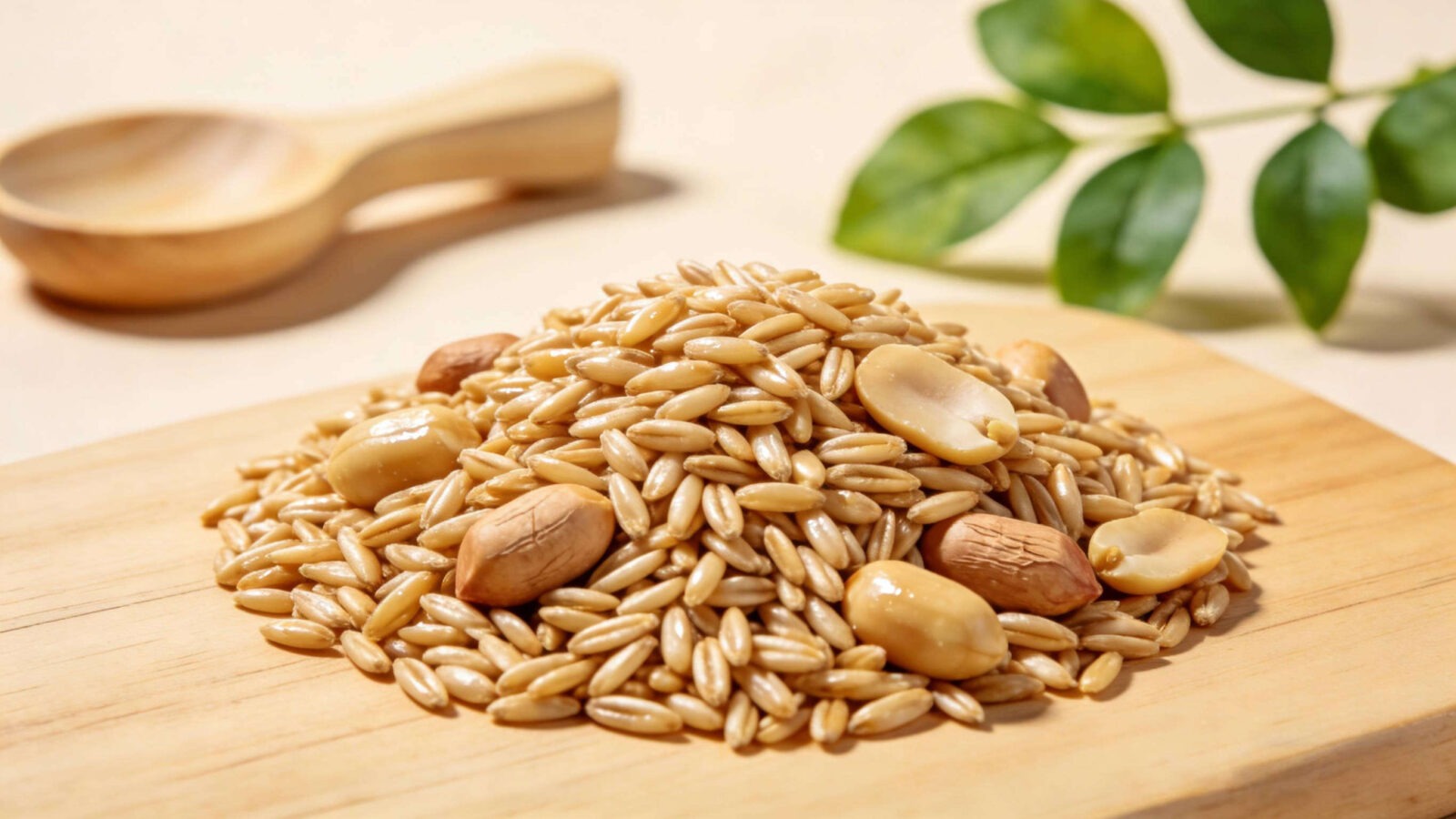
燕麦(学名 Avena sativa)是一种禾本科植物,是全球广泛种植的全谷物之一。燕麦原产于欧洲和亚洲寒冷地区,因其丰富的营养价值和健康益处,成为越来越受欢迎的主食之一。燕麦可用于制作燕麦片、燕麦粥、燕麦粉等食品,既可以单独食用,也可以与其他谷物、坚果或水果搭配。
二、燕麦的营养价值
燕麦是一种高蛋白、高膳食纤维、低升糖指数(GI)的健康谷物,富含多种维生素、矿物质和植物化合物。主要营养成分包括:
1.膳食纤维(β-葡聚糖):有助于降低胆固醇,促进肠道健康。
2.植物蛋白:提供优质蛋白质,是素食者的良好蛋白来源。
3.B族维生素:有助于能量代谢,维持神经系统健康。
4.铁和镁:支持血液循环,增强骨骼和肌肉健康。
5.抗氧化物(如酚类化合物):有助于减少自由基损害,增强免疫功能。
三、燕麦的健康益处
1.促进消化健康:富含膳食纤维,能够促进肠道蠕动,改善便秘问题。
2.支持心血管健康:β-葡聚糖有助于降低胆固醇,减少心血管疾病风险。
3.稳定血糖水平:低升糖指数(GI)食物,有助于缓解血糖波动,适合糖尿病人群。
4.帮助体重管理:高纤维和高蛋白质的特性能增加饱腹感,减少过量进食。
5.增强免疫力:抗氧化物和微量元素有助于提升机体防御能力。
四、燕麦的食用方式
1.燕麦粥:用水或谷物奶煮燕麦,口感醇厚,适合作为早餐。
2.燕麦片:可与坚果、水果、蜂蜜等搭配,制成燕麦碗或燕麦奶昔。
3.燕麦烘焙:用于制作燕麦饼干、燕麦面包等健康烘焙食品。
4.燕麦米饭:将燕麦与糙米、藜麦等搭配蒸煮,增加膳食纤维摄入。
5.燕麦能量棒:搭配坚果、枣泥等食材,制作健康零食。
五、关于燕麦的小知识
如何挑选优质燕麦?
选择无添加糖、未精加工的全燕麦片或燕麦米。
即食燕麦和传统燕麦的区别?
即食燕麦经过预加工,烹饪时间短,而传统燕麦更完整,口感较有嚼劲,保留更多营养。
燕麦适合每天食用吗?
适量食用有益健康,每天摄取50-100克可满足膳食需求。
总结
燕麦是一种富含膳食纤维、蛋白质、B族维生素和抗氧化物的健康全谷物。适量食用燕麦可促进消化、稳定血糖、支持心血管健康,并帮助体重管理和增强免疫力。无论是煮粥、搭配水果、用于烘焙还是制作燕麦能量棒,燕麦都是健康饮食的理想选择。
Date: 04/11/2026 04/12/2026
Location: Star River Meditation Center
Teacher: Yunquan Huang
Buddhist Diet and Regimen
Oats
Oats: A Fiber-Rich and Protein-Packed Healthy Whole Grain
1. What are Oats?
Oats (Avena sativa) are a cereal grain belonging to the grass family and are widely cultivated worldwide. Originally from Europe and Asia’s cooler regions, oats have become a staple due to their rich nutritional profile and numerous health benefits. Oats are commonly consumed as oatmeal, oat flour, or oat-based snacks, either on their own or combined with other grains, nuts, and fruits.
2. Nutritional Value of Oats
Oats are a high-protein, high-fiber, and low-glycemic-index (GI) grain packed with essential vitamins, minerals, and plant compounds. Key nutrients include:
1.Dietary Fiber (Beta-Glucan): Helps lower cholesterol and supports gut health.
2.Plant-Based Protein: Provides essential amino acids, making it a great protein source for vegetarians.
3.B Vitamins: Essential for energy metabolism and nervous system function.
4.Iron and Magnesium: Supports blood circulation and enhances bone and muscle health.
5.Antioxidants (such as Phenolic Compounds): Reduce oxidative stress and strengthen immunity.
3. Health Benefits of Oats
1.Aids Digestive Health: High fiber content promotes bowel movement and relieves constipation.
2.Supports Heart Health: Beta-glucan helps lower cholesterol levels and reduces cardiovascular disease risk.
3.Regulates Blood Sugar: A low-glycemic-index (GI) food that stabilizes blood sugar levels, suitable for diabetics.
4.Aids in Weight Management: High fiber and protein content increase satiety and prevent overeating.
5.Boosts Immunity: Antioxidants and trace minerals enhance the body’s defense system.
4. Best Ways to Eat Oats
1.Oatmeal Porridge: Cooked with water or plant-based milk, providing a creamy and nourishing breakfast.
2.Oat Bowls: Mixed with nuts, fruits, and honey for a wholesome meal.
3.Baked Oat Goods: Used in cookies, bread, and muffins for a healthy treat.
4.Oat Rice Blend: Cooked with brown rice or quinoa for an extra fiber boost.
5.Oat Energy Bars: Combined with nuts and dates to make nutritious snacks.
5. Interesting Facts About Oats
How to Choose the Best Oats?
Opt for whole oats or steel-cut oats without added sugars or processing.
Difference Between Instant Oats and Traditional Oats?
Instant oats are pre-processed for quick cooking, while traditional oats retain more texture and nutrients.
Is It Safe to Eat Oats Daily?
Yes, moderate daily consumption (50-100g) provides essential nutrients for a balanced diet.
Conclusion
Oats are a fiber-rich, protein-packed whole grain that supports digestion, heart health, blood sugar control, and immunity. Whether eaten as porridge, in smoothies, used for baking, or made into energy bars, oats are a versatile and nutritious addition to a healthy diet.