时间:04/18/2026 04/19/2026
地点:星河禅修中心
主讲:黄云全
佛法知识
理解佛法为何比形式更重要
在学佛的道路上,人们常常被“形式”所吸引,例如穿海青、敲木鱼、礼佛诵经、点香供水等,误以为只要外在行为做到位,就代表自己在修行。然而,佛法的核心,从来不在于这些表象的仪式,而在于对“法”的真正理解和内在落实。形式只是辅助,理解才是根本。若离开了智慧的理解与实修,仅停留在形式层面,不仅无法契入佛陀的教义,甚至可能误入迷信与执著,反而背离了佛法的本意。
佛陀一生所教,皆为令众生“知苦、断集、慕灭、修道”,即了解生命的真相,走向解脱之道。他并未创立一种宗教仪轨,而是以“缘起法”揭示世间的运作规律,以“八正道”指导人们如何从迷失中走向觉醒。这是一条理性的、实践性的、彻底的修行之路。形式在这其中的作用,是帮助我们专注、肃穆、庄严心境,但它不能代替理解,更不能代替修证。
例如,礼佛并非拜佛像本身,而是借助形象表达恭敬与谦卑,提醒自己向佛学习;诵经不是念出声音就算完成,而是要理解经义,将经中所说的法落实于日常行为中。若只重形式,却心不在焉,不知所诵,不知所礼,那只是徒有外表,而无实质内涵。
理解佛法,首先是建立“正见”,明白因果、无常、无我、空性等基本教理,才能不被世俗牵引,不被烦恼操控。理解佛法,能帮助我们在遭遇痛苦时知道如何观照,在顺境时保持觉察,在人际关系中保持慈悲而不执著。真正的佛弟子,不以形式炫耀修行,而以内心的转化为真实功德。
正因为如此,佛教不强求形式一致,不要求信众必须穿某种衣服、讲某种语言、用某种方式礼拜。佛法是“随缘不变、理事圆融”的教法,重点在“悟”,而不在“表”。正如《金刚经》所说:“若以色见我,以音声求我,是人行邪道,不能见如来。”意思是说,若执著佛的外在形象或声音,而非体悟佛陀所证的真理,便无法真正认识佛陀。
当我们深入理解佛法,哪怕不在寺庙、不持咒念经,也能在厨房里、公司中、家庭中活出佛法的智慧与慈悲。反之,若只是天天磕头礼拜,却不修心、不改过、不觉察贪嗔痴,那些形式只能增加自我执著,无法带来真正解脱。
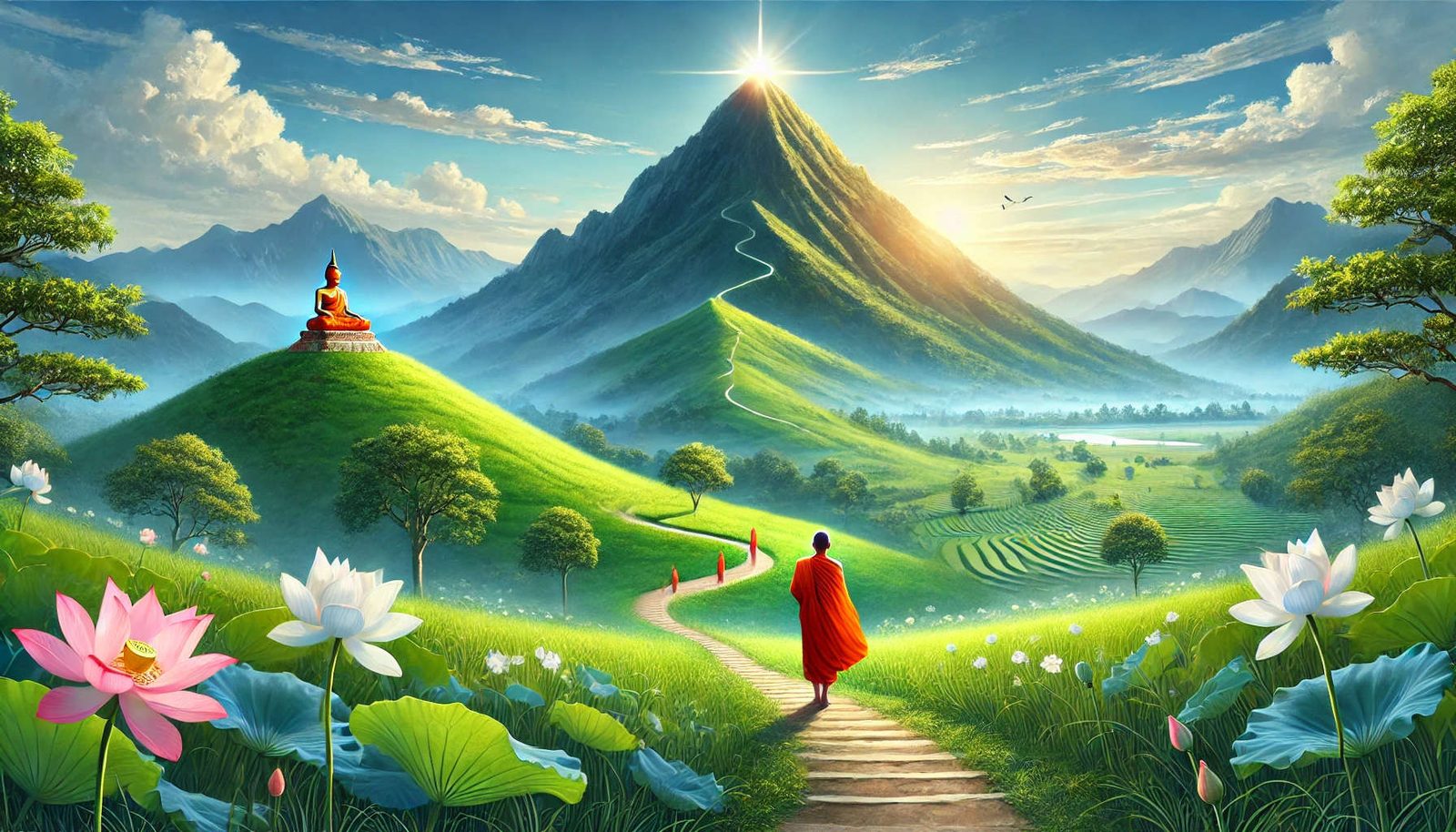
总之,形式只是桥梁,不是彼岸。理解才是通向解脱之门。真正的修行,是在生活中时时觉察、处处观照,善护身口意,不断提升觉知与慈悲。愿我们都能超越形式的束缚,深入佛法的核心,从理解中生出信,从信中生出行,从行中生出证,真正踏上觉醒之道。
Date: 04/18/2026 04/19/2026
Location: Star River Meditation Center
Teacher: Yunquan Huang
Dharma Knowledge
Why Understanding the Dharma Is More Important Than Ritual Forms
In the journey of learning Buddhism, many are drawn to the external forms—chanting sutras, bowing to statues, wearing robes, lighting incense—believing that following these rituals is the essence of practice. However, the core of the Buddha’s teaching has never been about ritual or appearance. True Dharma lies in understanding—deeply grasping the truths of life and applying them to transform one’s mind. Rituals are merely tools, while insight and realization are the true path to liberation.
The Buddha did not establish a religion based on ceremonial performance. He taught the Four Noble Truths and Dependent Origination so that people could understand the nature of suffering, its causes, and the way to its cessation. His path is one of reason, reflection, and self-effort. While rituals can help calm the mind and create a respectful atmosphere, they cannot replace insight, nor can they bring about true transformation by themselves.
For instance, bowing to a Buddha statue is not worshipping an idol—it is an expression of humility and reverence, reminding us to emulate the Buddha’s virtues. Reciting sutras is not about repeating sacred sounds, but about contemplating their meaning and integrating the teachings into our actions. Without understanding what we recite or why we bow, such practices become hollow and performative.
Understanding the Dharma begins with establishing right view—comprehending karma, impermanence, non-self, and emptiness. This foundation helps us respond wisely to life’s challenges, avoid clinging in times of pleasure, and stay mindful in the face of adversity. A true practitioner does not flaunt external practice but seeks internal transformation—cultivating ethical behavior, mental clarity, and deep compassion.
That is why Buddhism does not mandate uniform practices. It does not demand that followers dress a certain way or speak a certain language. The Dharma is flexible yet profound, emphasizing realization over ritual. As the Diamond Sutra states, “One who sees me in form or seeks me in sound is practicing a false path; he cannot see the Tathagata.” This means clinging to appearances misses the true nature of enlightenment.
When we understand the Dharma, we can practice it anywhere—in a temple or at home, at work or in the marketplace. Even if we are not chanting or bowing, we can embody mindfulness, compassion, and clarity. But if we only engage in rituals while harboring greed, anger, and delusion, we merely decorate the outer shell while leaving the inner untouched.
In conclusion, ritual is a bridge, not the destination. Understanding is the gateway to liberation. True practice lies in constant mindfulness, ethical conduct, and the transformation of mind. May we all look beyond appearances, cultivate deep understanding, and walk the path of awakening—not by ritual alone, but through wisdom, insight, and compassionate action.