时间:01/10/2026 01/11/2026
地点:星河禅修中心
主讲:黄云全
佛法知识
学佛是否要吃素
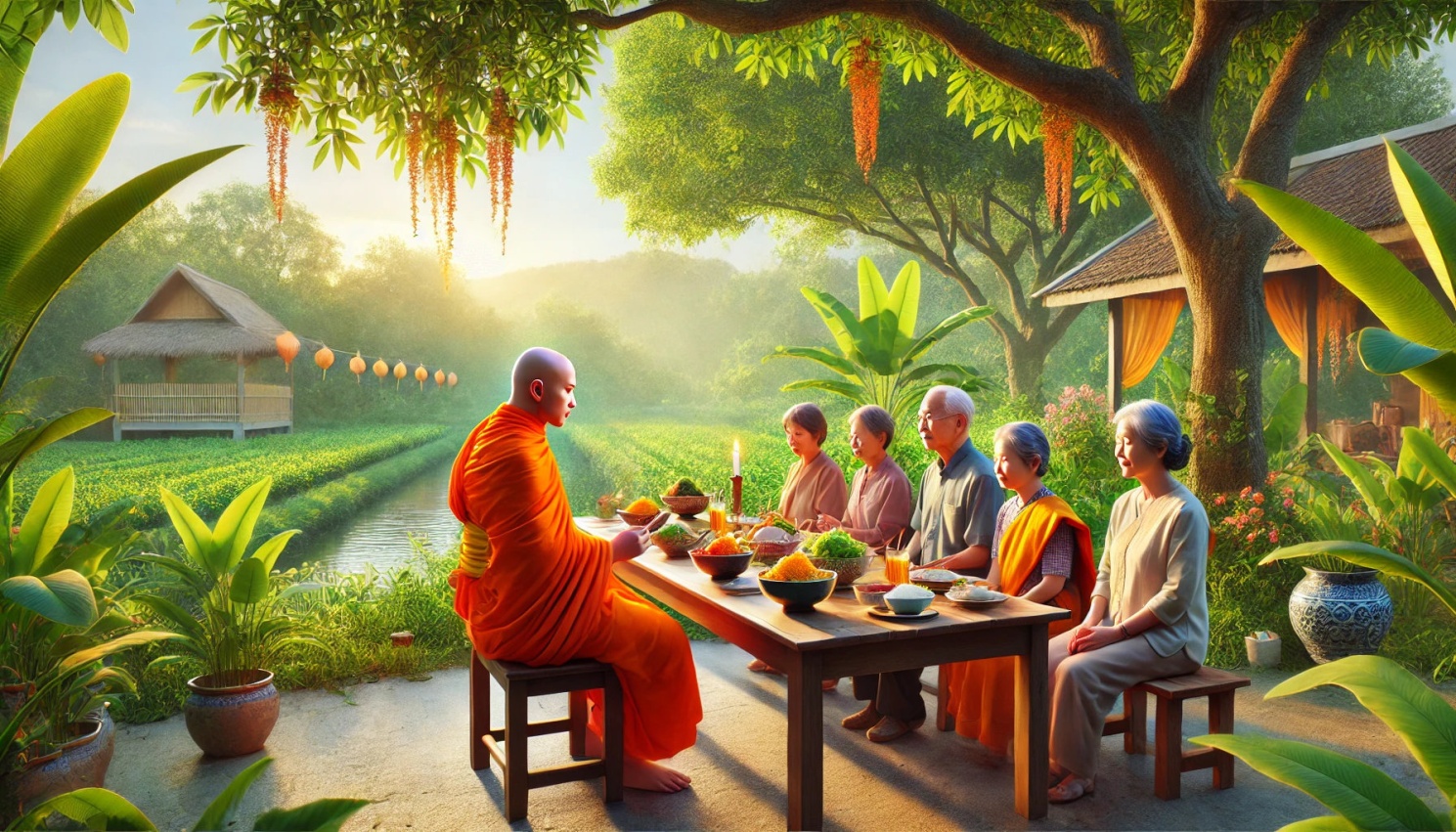
“学佛是否一定要吃素?”这个问题常常被提起,也引发不少争议与误解。在佛法修学中,素食不仅是生活方式的一种选择,更与慈悲心、因果观、修行愿力等深层次的法义息息相关。然而,是否吃素,并非评判一个人是否“真正学佛”的标准,也不应成为分别心的来源。
佛陀在世时,弟子托钵化缘,接受供养不择食物,也曾接受信众供奉的鱼肉。经典中记载,“若为三净肉,则可食”,即:非为我杀、非为他杀、非见其杀。可见早期的僧团并没有强制性素食制度,而是依托信众供养,顺缘而行。但这并不等于佛法鼓励食肉,而是在不同时代背景下的方便开示。
随着大乘佛教的发展,慈悲理念的深入人心,“众生皆有佛性”的观念逐渐被重视。菩萨戒中提到“不食众生肉”,并将吃肉视为违背大悲心的重要行为之一。在《楞伽经》《楞严经》等大乘经典中,更明确指出吃肉会增长杀业、障碍慈心,影响修行清净。于是,吃素不仅是健康或伦理的选择,更成为修菩萨道、护生利生的体现。
从因果角度来看,佛教强调众生平等,众生皆畏死,杀生与食肉都将形成恶业,未来果报自受。虽然食肉者未必直接杀生,但其支持、纵容、依赖于杀生产业,仍与因果相连。吃素是一种不再参与众生苦难链条的实践,是“戒杀”的延伸和落实,是“悲悯”的日常表达。
再从修行层面而言,饮食关系身心。食肉容易引发贪欲、躁动、昏沉等身心烦恼,而素食则更容易清淡寡欲、安定身心,利于打坐与正念观照。许多高僧大德指出,戒肉能增智慧、减业障。尤其在修习慈悲观、念佛观、止观禅修等法门时,素食成为净化身心、守护清净戒体的重要助缘。
当然,也不能简单地将“吃素”与“修得好”画上等号。有些人虽然吃素,却仍执著分别、嗔恨批评;而有些尚未吃素者,却愿力坚定、慈心真切。因此,佛法重在内修,外在行为须随发心而转。若因病、环境或家庭原因暂难吃素,也不必自责,更不可被人批判。而应以柔软心对待自身与他人,明理而不固执,随顺而不退转。
总的来说,吃素在学佛过程中并非绝对强制,却是一种重要的修行实践。它体现了对生命的尊重,对因果的敬畏,对慈悲的践行。愿每一位学佛者,在因缘成熟时,发起护生心、悲悯心,自愿走上素食之路,以身行道、利益有情。
Date: 01/10/2026 01/11/2026
Location: Star River Meditation Center
Teacher: Yunquan Huang
Dharma Knowledge
Does Learning Buddhism Require Vegetarianism
“Do Buddhists have to be vegetarian?” This question is frequently asked and often misunderstood. In Buddhist practice, vegetarianism is not merely a dietary preference but a reflection of deeper principles such as compassion, non-harming, and karmic responsibility. However, whether one is vegetarian is not the ultimate measure of one’s sincerity in learning the Dharma, nor should it become a cause for judgment or division.
During the Buddha’s lifetime, monks lived by alms-begging and accepted whatever food was offered, including meat, provided it met the conditions known as the “threefold pure meat”: the meat was not specifically killed for them, not seen being killed, and not heard being killed. This shows that vegetarianism was not strictly required in early monastic communities but depended on practical circumstances and the spirit of contentment and non-attachment.
As Mahayana Buddhism evolved, the ideal of universal compassion became more central. The teaching that “all sentient beings have Buddha-nature” led many practitioners to abstain from meat out of respect for life. In Mahayana sutras such as the Lankavatara Sutra and the Surangama Sutra, eating meat is discouraged due to its karmic consequences and its contradiction to the cultivation of a compassionate heart. Therefore, vegetarianism became not only a moral decision but an embodiment of the Bodhisattva vow to benefit all beings.
From the perspective of karma, eating meat—even if one does not directly kill—supports industries built upon killing and suffering. Abstaining from meat is a way of stepping out of this cycle of harm and practicing non-violence in daily life. It is a conscious expression of care, empathy, and spiritual responsibility.
From a practical viewpoint, diet influences the body and mind. Consuming meat can stimulate desires and restlessness, making meditative stability more difficult. A plant-based diet is considered more conducive to calmness, clarity, and mindfulness. Many great masters have attested that giving up meat helps to reduce karmic obstacles, foster wisdom, and cultivate a pure heart—especially in the practices of compassion meditation, chanting, or seated meditation.
However, it is important not to equate vegetarianism with moral or spiritual superiority. Some people who are vegetarian may still harbor judgment, anger, or pride, while others who are not yet vegetarian may embody genuine compassion and spiritual commitment. Buddhism emphasizes the intention and awareness behind our actions, not rigid external rules. If someone cannot adopt a vegetarian diet due to health, environment, or family reasons, they should not feel guilt or be criticized. The practice must be guided by wisdom and willingness, not by pressure or self-righteousness.
In conclusion, while vegetarianism is not an absolute requirement for learning Buddhism, it is a powerful expression of Buddhist values. It reflects a heart that is growing in compassion, a mind that respects the law of karma, and a lifestyle that seeks to do the least harm. As one’s understanding deepens, vegetarianism often becomes a natural and joyful choice. May all practitioners find the right moment and motivation to embrace this path of non-harming and extend kindness to all beings through both intention and action.