时间:11/01/2025 11/02/2025
地点:星河禅修中心
主讲:黄云全
佛法知识
佛法与贫富差异
在现实社会中,贫富差异几乎无处不在。资源分配的不均、机会的悬殊、起点的不同,使得有人衣食无忧,有人却为基本生存而奔波。面对这样的现象,佛法并不回避,也不简单归结为偶然或不公,而是从因缘、业力、慈悲与智慧的整体视角,给予更深层、也更具现实意义的理解。
首先,佛法以因果与业力来解释贫富差异的形成。佛陀指出,众生所受的果报,并非由某种外在意志决定,而是过去与现在身口意行为的结果。财富的多寡,往往与过去是否勤劳、是否布施、是否守信、是否伤害他人等因有关。这并不是在指责任何一个处境贫困的人,而是强调:贫富并非命定,而是因缘流转中的阶段性呈现。正因如此,佛法从根本上否定了“贫富永恒不变”的观念,也为改变现状留下了希望与方向。
其次,佛法提醒我们,贫富并不等同于幸福与不幸。世间常以财富多寡来衡量成功与价值,但佛法指出,真正决定幸福的不是拥有多少,而是内心是否被贪、嗔、痴所支配。富而贪婪、恐惧失去的人,内心同样贫穷;贫而知足、心地清净的人,也能拥有安稳与尊严。因此,佛法并不美化贫穷,也不贬低财富,而是引导人们看清:将幸福完全寄托于金钱,本身就是苦的根源之一。
然而,佛法并不因此对现实中的贫富差异采取冷漠态度。相反,佛法对社会不平等有着明确的伦理关怀。佛陀一再教导弟子,慈悲必须落实为行动。当众生因贫困而失去尊严、健康与受教育的机会,这不仅是个人的业报问题,也成为他人修行的考验与责任。富者若只顾享受、不知回馈社会,便是在增长贪心;贫者若因困顿而生怨恨、自弃自暴,也是在加重自己的苦因。
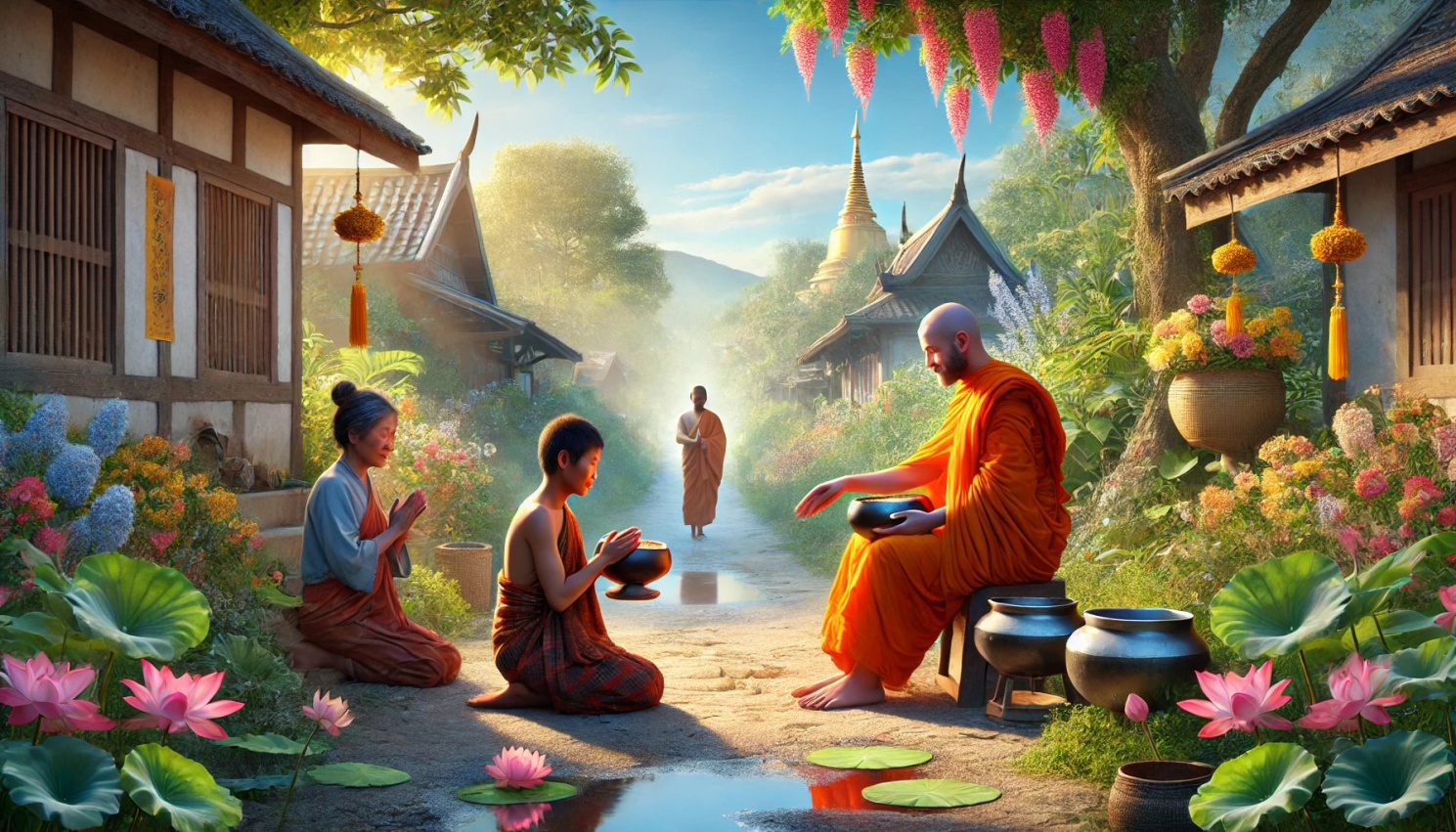
因此,佛法强调“以布施调和贫富”。布施不仅是个人修福的方式,也是社会层面缓解差异的重要力量。通过财施、法施与无畏施,财富得以流动,资源得以共享,社会的紧张与对立得以缓和。佛法中的布施,并非施舍式的高低关系,而是一种平等的互依行为——给予者种下福因,受者得以维生,双方皆在因缘中受益。
从更深的角度看,佛法也教导我们警惕对贫富的固化认同。若一个人执着于“我就是穷人”或“我注定是富人”,都会陷入我执与分别心之中。佛法的智慧在于提醒:一切身份、地位、资产,都是无常的。今日的富足,可能成为明日的匮乏;今日的贫困,也可能转化为未来的丰足。正因为无常存在,修行与改变才有意义。
在修行的层面,贫富差异也提供了不同的修行课题。贫者更容易修忍辱、精进与知足;富者更有机会修布施、谦卑与不执。两者并无高下,关键在于是否觉醒、是否善用当下的条件。佛法从不要求众生处于同一境况,而是教导每个人在自己的位置上,修正内心、利益他人。
综上所述,佛法看待贫富差异,既不宿命化,也不浪漫化。它承认差异的存在,看清差异的因缘,指出转化差异的路径。贫富不是价值的判决,而是修行的背景;不是彼此对立的标签,而是相互成就的条件。当社会中的每一个人,都能在自身条件中减少贪执、增长慈悲,并以智慧参与资源的流动,贫富差异便不再只是撕裂社会的裂痕,而可能成为唤醒觉知、促进善行的契机。
Date: 11/01/2025 11/02/2025
Location: Star River Meditation Center
Teacher: Yunquan Huang
Dharma Knowledge
Buddhism and Economic Inequality
Economic inequality is a visible and persistent feature of human society. Differences in wealth, access to resources, and opportunity shape people’s lives in profoundly unequal ways. Buddhism does not deny this reality, nor does it explain it away as mere chance or injustice alone. Instead, the Dharma approaches wealth disparity through the interconnected lenses of karma, compassion, and wisdom, offering both insight and guidance.
From a Buddhist perspective, differences in wealth arise through causes and conditions, including past and present actions. The Buddha taught that generosity, ethical conduct, diligence, and wisdom tend to lead toward material stability, while greed, harm, and negligence often result in scarcity. This explanation is not meant to blame the poor or justify inequality, but to emphasize that wealth is not random or permanent. Because conditions can change, suffering is not fixed, and transformation is always possible.
Buddhism also makes a crucial distinction between wealth and well-being. In worldly terms, money is often equated with success and happiness. Yet the Dharma reminds us that inner suffering is not erased by external abundance. A wealthy person dominated by fear of loss, greed, or comparison may be deeply unhappy, while someone with limited means but contentment and integrity can live with dignity and peace. Wealth, therefore, is not a reliable measure of happiness or human worth.
At the same time, Buddhism does not adopt an indifferent stance toward inequality. Compassion in the Dharma is not passive—it calls for ethical response and action. When poverty deprives people of basic needs, education, or health, it becomes not only a karmic condition of the individual but also a moral challenge to society. Those with resources are invited to reflect on their responsibility: whether wealth is used only for self-gratification or shared to reduce suffering.
For this reason, Buddhism places great emphasis on generosity (dāna) as a means of balancing disparity. Generosity allows wealth to circulate, softens attachment, and builds social harmony. Giving is not an act of superiority, but an expression of interdependence. The giver cultivates merit and humility; the receiver gains support and dignity. In this exchange, rigid boundaries between rich and poor begin to dissolve.
On a deeper level, Buddhism cautions against identifying too strongly with economic status. To cling to the identity of “poor” or “rich” is to reinforce ego and delusion. The Dharma teaches impermanence: today’s wealth may vanish tomorrow, and today’s poverty may give way to abundance. Recognizing this fluidity helps us avoid arrogance on one side and despair on the other.
In practice, wealth and poverty also present different paths of cultivation. Those with fewer resources may develop patience, resilience, and contentment. Those with abundance have greater opportunities to practice generosity, responsibility, and non-attachment. Neither condition is spiritually superior. What matters is how one responds to their circumstances with awareness and compassion.
In conclusion, Buddhism views economic inequality neither as fate nor as moral failure. It acknowledges disparity as a result of complex causes, while offering tools to transform both inner attitudes and outer conditions. Poverty and wealth are not verdicts on human value, but contexts for practice. When individuals and societies reduce greed, cultivate generosity, and act with wisdom, economic differences lose their power to divide and instead become opportunities for ethical engagement and collective awakening.
Seen through the Dharma, the question is not merely how much one has, but how wisely one lives, and whether one’s resources—few or many—are used to lessen suffering and support the path toward freedom for all.