时间:06/14/2025 06/15/2025
地点:星河禅修中心
主讲:黄云全
佛法知识
中道思想
中道,是佛陀在觉悟之后所提出的根本指导原则之一,也是佛法修行的核心精神所在。所谓中道,不是两边平均分配的妥协,更不是逃避选择的模糊,而是一种超越对立、远离极端、契合实相的智慧之道。它既不是放纵欲望的生活,也不是极端苦行的折磨,而是如实观察生命现象后,走出一条既能安住身心、又能引导向解脱的真实之路。
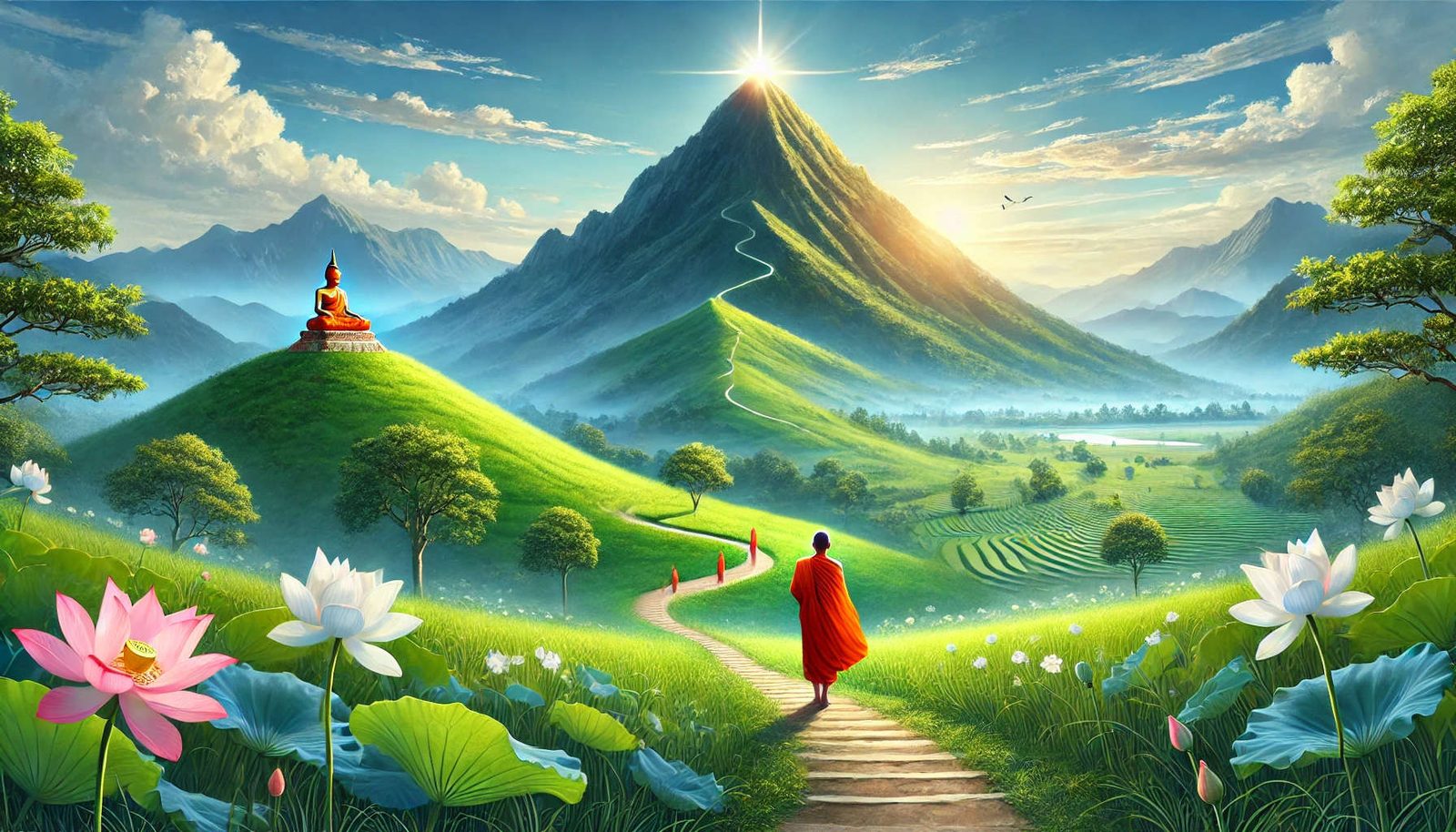
佛陀在未觉悟前,曾是悉达多太子,享受王宫荣华,过着极度奢华安逸的生活。他察觉到这种放纵欲乐的生活无法解决生老病死之苦,于是出家修行,尝试各种苦行,乃至断食、绝眠、屏息,以为这样才能得道。然而六年苦行之后,他几乎命丧,却并未获得觉悟。最后他意识到:苦与乐两个极端都不能通向究竟的智慧与自在,唯有舍弃偏执,走一条中道,才是真正解脱的方向。
“中道”的第一层意义,是指生活方式的中道。佛陀在初转法轮时告诉五比丘,不应依附于感官享乐,也不应沉溺于自我折磨,而应采取“八正道”的修行方法。八正道便是中道的实践之道:它不是盲目信仰,也不是偏执怀疑;不是压抑情感,也不是纵容情绪;不是极端放弃世俗生活,也不是执著现世成就。它是智慧、慈悲与行动的平衡,是心灵与行为的正向引导。
中道的第二层意义,是远离“常”与“断”的二边见。佛法认为众生之所以陷入轮回烦恼,是因为对“我”的执着。有人认为自我永恒不灭(常见),有人则认为死后一切终结(断见)。佛陀指出,这两种看法都无法解释生命的真实。中道告诉我们,生命是因缘聚合之法,无始无终、无常无我,既非永恒存在,也非虚无终结,是一种流动、变化、而又不失因果的存在方式。
中道并不是一条消极保守的中庸之路,而是一种极其积极而有力的超越之道。它不落于非此即彼的二元思维,而是透过智慧看破表象、洞察本质,从而避免陷入执著与偏见。修行中的中道精神,也体现在不执著于“空”或“有”,不执著于“止”或“观”,不执著于“动”或“静”。中道是一种不断调整、不断观照、不断回归当下的修行态度。
中道思想也深刻影响着佛教的实践面。无论是戒律、禅修,还是布施、度众,佛陀都强调根据因缘、时机与众生根器而施教,而非僵化套用教条。比如在面对不同弟子时,有人需严持戒律,有人则需破除对戒的执著;有人需专注修止,有人则应深入观法。这种因材施教、灵活应机的态度,正是中道智慧的体现。
在现代社会,中道思想依然具有重要意义。当今世界充满对立:保守与激进、理性与感性、个人与集体、进取与放下……人们容易陷入非黑即白的冲突中。中道不是让人失去立场,而是让人拥有更高的视角,看清对立背后的共同根源,并从执著中解脱出来。它帮助我们建立内心的平衡,在繁杂中保持清明,在纷扰中保持慈悲。
总而言之,中道不是一条简单的路线,而是一种深刻的生命观、世界观与修行观。它引导我们不被极端牵引,不落于对立之中,而在现实与真理之间,走出一条清明自在的道路。真正的中道,是在纷繁中保持觉知,在纷争中保有慈心,在每一个当下活出真实、智慧与自由。
Date: 06/14/2025 06/15/2025
Location: Star River Meditation Center
Teacher: Yunquan Huang
Dharma Knowledge
The Middle Way
The Middle Way is one of the central principles of the Buddha’s teaching. It is not a compromise between extremes, nor is it an avoidance of decision. Rather, it is a path of wisdom that transcends dualities, avoids extremes, and harmonizes insight with reality. The Middle Way is neither indulgence in pleasure nor self-mortification—it is the practical and liberating path that leads to awakening.
Before his enlightenment, the Buddha lived as Prince Siddhartha, immersed in luxury and comfort. Realizing that sensual pleasure could not resolve the fundamental suffering of birth, aging, sickness, and death, he left the palace and practiced severe austerities for six years. He denied himself food, sleep, and breath, believing that pain and deprivation could lead to truth. But nearly dying from these efforts, he eventually understood that neither extreme pleasure nor extreme hardship leads to liberation. Only by letting go of both and walking a balanced path—the Middle Way—could true wisdom arise.
At its first level, the Middle Way refers to a balanced way of life. When the Buddha delivered his first sermon to the five ascetics, he taught them to avoid the two extremes and follow the Noble Eightfold Path. This path embodies the Middle Way in practice: not blind belief nor skeptical doubt; not emotional suppression nor emotional indulgence; not worldly obsession nor total renunciation. It is a balanced integration of wisdom, ethics, and meditation—a way that is grounded, compassionate, and effective.
At a deeper level, the Middle Way also refers to the rejection of eternalism and nihilism. Eternalism is the belief in an unchanging, permanent self; nihilism is the belief that nothing exists after death and life is ultimately meaningless. The Buddha saw that both views are rooted in misunderstanding. The truth is that all things arise from causes and conditions—they are impermanent, selfless, and interdependent. Life is neither eternal nor void—it is dynamic, lawful, and meaningful when seen clearly.
Importantly, the Middle Way is not passive or neutral, but actively liberating. It cuts through binary thinking and sees things as they are. In meditation, for example, it means not clinging to stillness or movement, not fixating on emptiness or form, but observing all phenomena with equanimity and clarity. The Middle Way involves constant adjustment, mindful awareness, and responsiveness to changing conditions.
The Middle Way also shapes Buddhist practice in flexible and compassionate ways. The Buddha never imposed rigid dogma. He taught according to the capacity, condition, and temperament of each student. For one, strict discipline may be necessary; for another, letting go of rigid control is more helpful. The Middle Way allows for skillful means—teaching and acting based on wisdom, not fixed rules.
In today’s polarized world, the Middle Way offers profound relevance. With growing divisions—political, social, emotional—many people are trapped in extremes and conflicts. The Middle Way does not mean giving up values. It means rising above reactivity, seeing the deeper patterns behind opposition, and responding with understanding and care. It invites us to balance clarity with compassion, firmness with softness, action with presence.
In summary, the Middle Way is not a simple path—it is a profound vision of life, reality, and practice. It guides us to avoid extremes, stay grounded in awareness, and move through the world with wisdom and heart. It helps us live in peace, think clearly, and act skillfully. The true Middle Way is to awaken in the midst of complexity, to love without clinging, and to walk each step in freedom and insight.