时间:05/18/2024 05/19/2024
地点:星河禅修中心
主讲:黄云全
佛法知识
佛陀的日常生活
佛陀的一生虽以觉悟闻名于世,但他成道之后所过的,并不是超脱人间、神秘莫测的生活,而是一种极其简朴、规律、有意义的日常修行生活。他不依王宫,不住寺庙,不积财物,而是以“三衣一钵”为资具,过着托钵乞食、晨起夜眠、教化众生的清净生活。他的日常,既非隐逸山林的避世苦行,也不是享受信众供养的安逸生活,而是一种彻底落实佛法、以身示法的生活方式,充满了慈悲、智慧与无私的奉献。
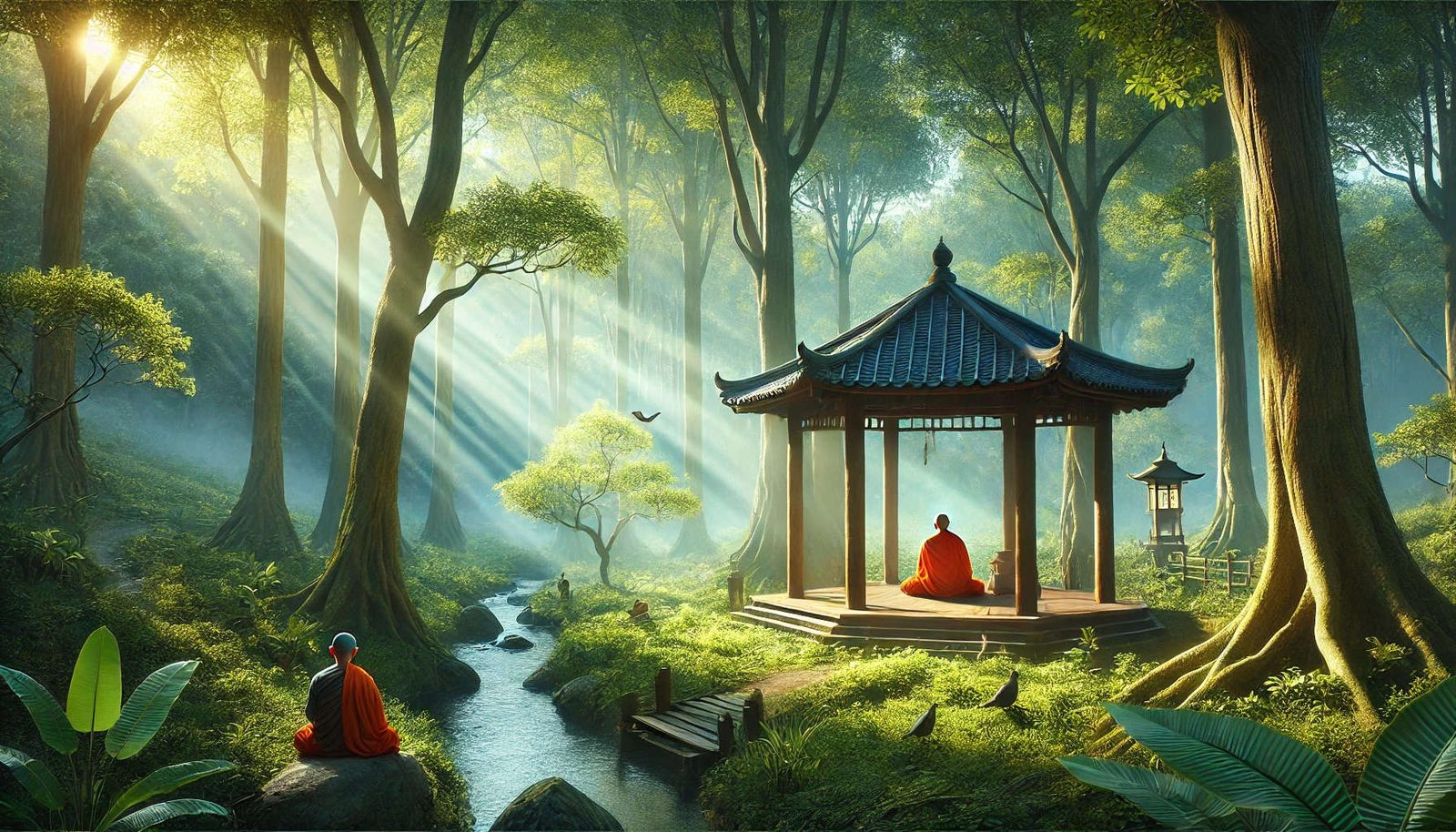
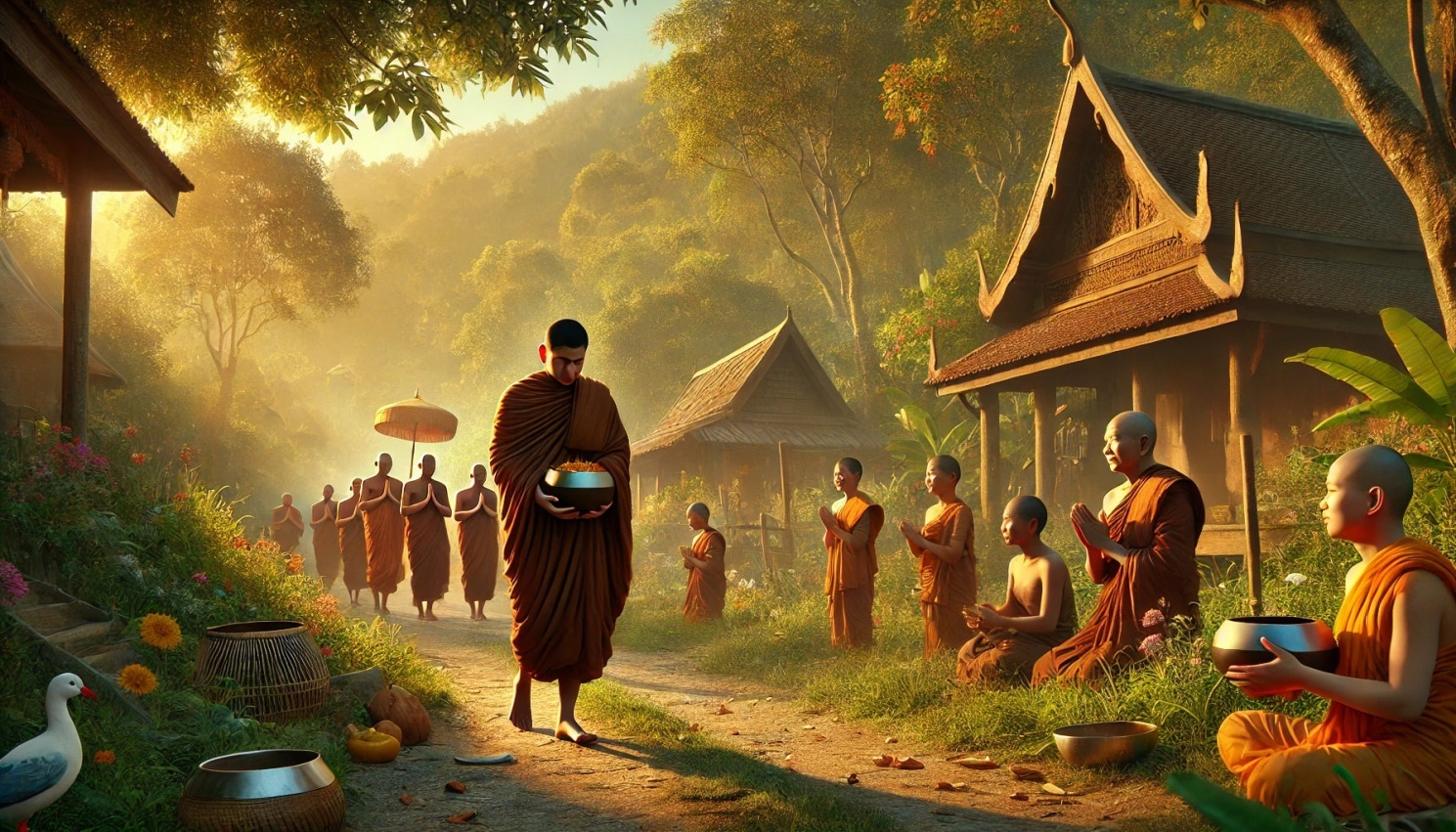
佛陀每天的生活从黎明前开始。他通常在清晨寂静之时入定观想,安住于清明的觉知中,观察弟子与众生的根机与因缘,以决定当日的说法内容与对象。随后,他会起身整理衣钵,带领比丘僧团出发托钵乞食。佛陀亲自走在最前,不挑供品、不论富贫,平等接受人们的布施。他将托钵作为修行的一部分,不仅是维生之道,更是实践“无我”与“谦卑”的方式。他教导弟子,在乞食时应保持内心宁静,不起分别心,不对食物生贪嗔念。
午前乞食归来后,佛陀与僧团共食于精舍或林中,食后不再进食,遵守“过午不食”的戒律。他吃得极其简单,从不讲究口味营养,仅以维持身体基本机能为目的。用完斋食后,他会稍作休息,有时会独处禅修,有时会接待前来请法的弟子或信众,或为初学者开示基本法义,或为老修行者深入讲解缘起、中道、空性等高深法义。
到了下午,佛陀常带领弟子共同讨论佛法,或巡视僧团,观察弟子的行为与修行状况,给予必要的指导与纠正。他对每位弟子都给予个别关注,了解他们的烦恼根源,并给予恰当的修行方法。他并不以一套标准要求所有人,而是依根机施教,使每个人都能在适合自己的节奏中成长。
傍晚时分,佛陀会独自步行于林中,或静坐禅修,或沉默观照。他以自己的身心状态示范“正念生活”,从不懈怠,也不迷于名利。夜间,他分时修禅、休息与教化。有些弟子在深夜仍会前来请法,佛陀往往耐心接见,毫无倦怠之色。
除了日常生活的规律与简朴,佛陀也常常随缘应化,走入城市、乡村、森林、山谷等地弘法。无论是在皇宫中接见国王,或在贫民窟安慰病苦者,他都保持同样的慈悲与尊重。他穿的是最简单的袈裟,睡的是地上或林间,生活无任何奢侈,却是当时最受尊敬的导师。他不靠神通吸引人,而是靠言行一致与法义真实感动人心。
佛陀一生虽被尊为“天人师”,但他的日常生活却极为人间化、常态化。他以身示范节制、觉知、平等与慈悲,把佛法融入呼吸之间、步履之间,使弟子与后人明白:觉悟不是神圣不可及的装饰,而是一种可在日常中实践的生命状态。他的一举一动都是“教”,一言一行皆是“法”,正是这种彻底生活化的修行方式,让佛法成为可亲近、可信赖、可落实的真实之道。
Date: 05/18/2024 05/19/2024
Location: Star River Meditation Center
Teacher: Yunquan Huang
Dharma Knowledge
The Daily Life of the Buddha
The Buddha’s life after enlightenment was not one of seclusion, mysticism, or privileged comfort. Instead, it was a life of deep simplicity, constant mindfulness, and tireless service. He chose not to live in palaces or temples, did not accumulate wealth or possessions, and never placed himself above others. His daily routine reflected his teachings—unadorned by ego, rooted in clarity, and fully devoted to the well-being of all beings. Through his daily life, the Buddha embodied the Dharma, making his actions a living example for generations to follow.
The Buddha’s day typically began in the pre-dawn hours. He would rise early and enter meditation, abiding in a state of deep clarity and stillness. During this time, he contemplated the mental and karmic states of his disciples and other beings, discerning who was ready to hear the Dharma and what teachings would benefit them most. Then, as daylight approached, he would prepare his robes and alms bowl and set out on foot with his monastic community for the morning alms round.
The Buddha walked barefoot through villages and cities, accepting whatever food was offered without judgment or preference. He never sought rich offerings or honored houses, and he received gifts from the wealthy and the poor with the same gratitude. The alms round was not merely a way to obtain food—it was part of his practice, a daily expression of humility, mindfulness, and interdependence. He taught his disciples to remain serene during alms rounds, not clinging to food or reacting to praise or scorn.
After returning from alms and eating the simple midday meal—his only meal of the day—the Buddha would rest briefly. In the afternoon, he would often meet with monks, nuns, or laypeople who came to seek guidance. He taught in clear, practical language, adapting his message to the individual’s needs. For beginners, he spoke of ethical living, generosity, and mindfulness; for advanced practitioners, he expounded on deeper truths such as emptiness and dependent origination. He did not lecture from a distance but engaged in warm, direct dialogue.
Later in the day, the Buddha would walk in quiet contemplation or sit in meditation. He also spent time supervising the monastic community, offering advice, settling disputes, and correcting errors in conduct. His leadership was never authoritarian. He guided through insight, patience, and example. He observed each disciple with great care, recognizing their unique tendencies and guiding them with compassion and precision.
Evenings were often devoted to more teachings or meditation. Sometimes visitors came late at night to ask questions or request instruction, and the Buddha would receive them without irritation. His life was fully dedicated to helping others. Despite constant travel, frequent teaching, and little rest, he showed no signs of fatigue or frustration. His energy flowed not from desire, but from compassion and inner peace.
Outside of his daily rhythm, the Buddha frequently traveled on foot to different regions—villages, forests, mountains, and royal courts—bringing the Dharma wherever it was needed. Whether teaching kings or comforting the sick and poor, he maintained the same gentle presence and clarity. He wore simple robes, slept on the ground or in forest shelters, and lived without possessions. His dignity came not from material wealth, but from integrity and realization.
Although revered as “Teacher of gods and humans,” the Buddha’s daily life was deeply human. It was a rhythm of meditation, ethical conduct, teaching, and mindful presence. Every step, every gesture, and every word was a reflection of his awakening. He made no distinction between the sacred and the mundane—his entire life was the Dharma in motion.
In this way, the Buddha demonstrated that enlightenment is not distant or supernatural. It is a way of living. Through his daily conduct—quiet, consistent, compassionate, and wise—he showed that freedom is not found in escape from life, but in engaging life fully with understanding and compassion. His life remains a model of what it means to live awake.